

Živé zkameněliny
Overview
No overview summary available for this movie.
Top Cast

Felix le Breux
Commentary (voice)
Key Film Crew
Production Stats
You May Also Like

Three researchers work on a paleontological project focusing on two dinosaurs: one fictional, the one created by special effects genius Ray Harryhausen for the film The Valley of Gwangi (1969); the other real, the Concavenator corcovatus, whose remains were discovered in 2003 at the Las Hoyas site, in the province of Cuenca (Spain), very close to where the filming took place.
The Concavenator Valley


Looking at whether the history of early human evolution should be rewritten. For decades, most experts have been convinced that Africa is the cradle of mankind and many fossil finds from Kenya, Ethiopia, South Africa and Chad seemed to prove it.
Out Of Europe

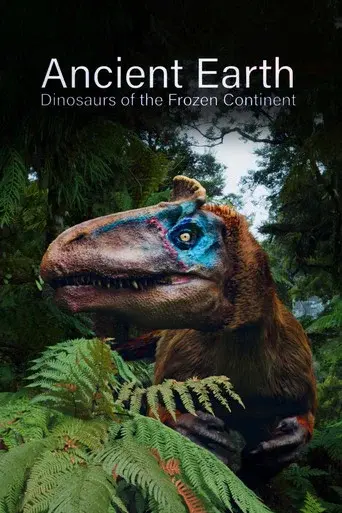
Renowned paleontologist Kirk Johnson takes us on an epic adventure through time at the polar extremes of our planet. Following a trail of strange fossils found in all the wrong places—beech trees in Antarctica, hippo-like mammals in the Arctic—Johnson uncovers the bizarre history of the poles, from miles-high ice sheets to warm polar forests teeming with life. What caused such dramatic changes at the ends of the Earth? And what can the past reveal about our planet’s climate today—and in the future?
Polar Extremes
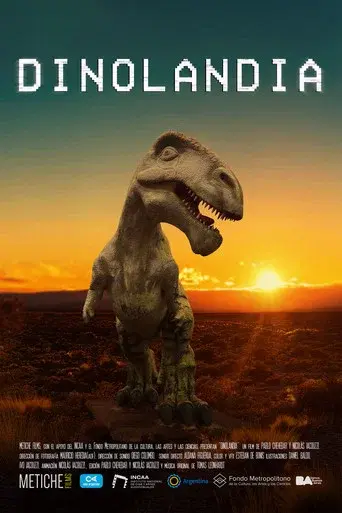
A mechanic discovers the fossil of a huge carnivorous dinosaur, unleashing a war between scientists, mayors and neighboring towns to keep “the biggest dinosaur in the world.” Among bone thefts, replicas and a mayor obsessed with creating Dinolandia, anything goes when it comes to surviving.
Dinolandia


In Egypt's Sahara Desert, massive skeletons with strange skulls and gigantic teeth jut out from the sandy ground. This fossil graveyard, millions of years old, is known as the "Valley of the Whales." Now, paleontologists have unearthed a whole new species of ancient whale dating to 43 million years ago, and this predator wasn't just able to swim – it also had four legs and could walk. Follow scientists as they search for new clues to the winding evolutionary path of mammals that moved from the land into the sea to become the largest animals on Earth.
When Whales Could Walk
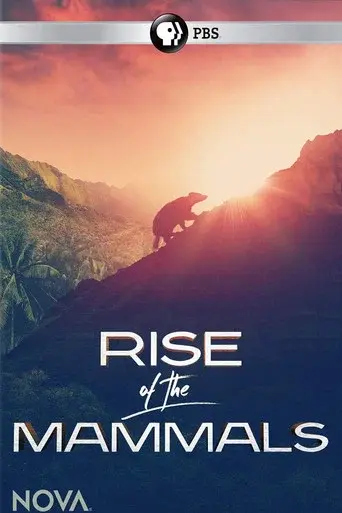
Sixty-six million years ago, an asteroid wiped out the dinosaurs in a fiery global catastrophe. But we know little about how their successors, the mammals, recovered and took over the world. Now, hidden inside ordinary-looking rocks, an astonishing trove of fossils reveals a dramatic new picture of how rat-sized creatures ballooned in size and began to evolve into the vast array of species—from cheetahs to bats to whales to humans—that rule our planet today.
Rise of the Mammals
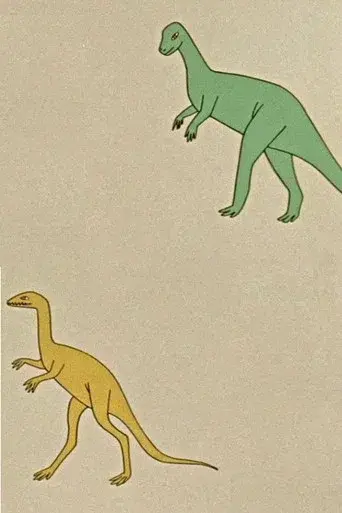


Deep inside the arctic, scientists are experimenting with extreme palaeontology methods to unlock the secrets of polar dinosaurs, and perhaps the key to our own survival on Earth. On Alaska's north slope there are dinosaur bones, lots of them. But they're trapped in an icy tomb - an impenetrable wall of permafrost. Dinosaurs on Ice follows the journey of two scientists, Dr Tom Rich and Dr Tony Fiorillo, who undertake separate expeditions to the Colville River in Alaska's far north to uncover the dinosaurs' bones and break the ice on a prehistoric world that until now has been unreachable. But the task is not easy. The weather is extreme, the location remote.
Dinosaurs on Ice

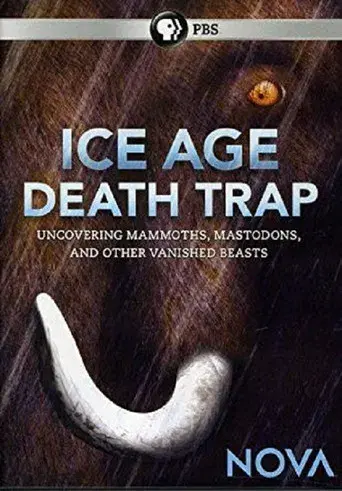
In a race against developers in the Rocky Mountains, paleontologists uncover a unique fossil site packed with astonishingly well-preserved bones of mammoths, mastodons, and other giant extinct beasts. The discovery opens a highly focused window on the vanished world of the Ice Age in North America.