
Overview
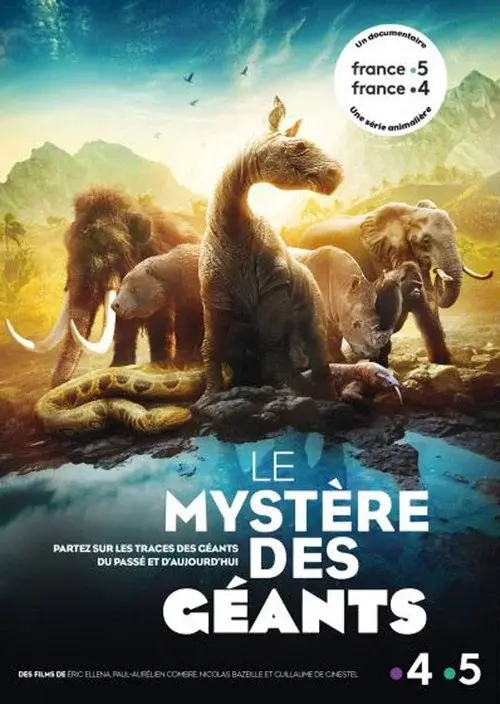
When a huge meteorite crashed into the earth 66 million years ago and caused the disappearance of the dinosaurs, some of the planet’s tiniest species survived the cataclysm, and—against all odds—eventually became some of the greatest giants to ever roam the earth. From the poles of the planet to the belly of the equator, this documentary sheds new light on four giant animals that are still a great mystery to science today: the Titanoboa snake, the Megalodon shark, the giant rhinoceros and the giant sloth.
Key Film Crew
Production Stats
You May Also Like
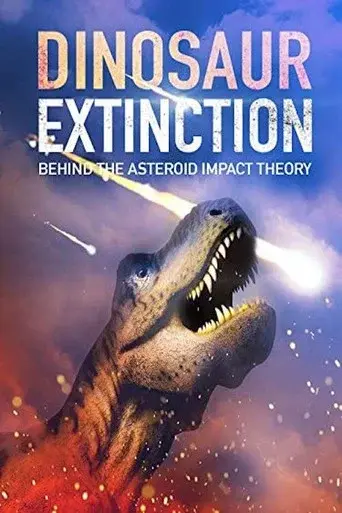


Three researchers work on a paleontological project focusing on two dinosaurs: one fictional, the one created by special effects genius Ray Harryhausen for the film The Valley of Gwangi (1969); the other real, the Concavenator corcovatus, whose remains were discovered in 2003 at the Las Hoyas site, in the province of Cuenca (Spain), very close to where the filming took place.
The Concavenator Valley
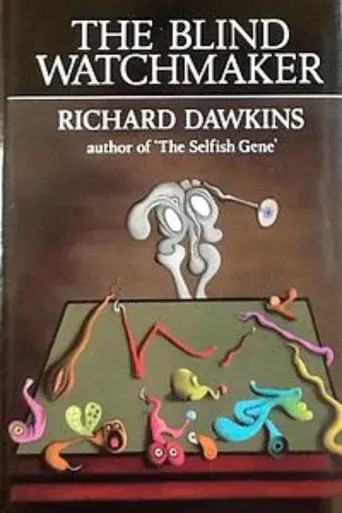
Richard Dawkins in a 1980's television special based on his book The Blind Watchmaker.
The Blind Watchmaker
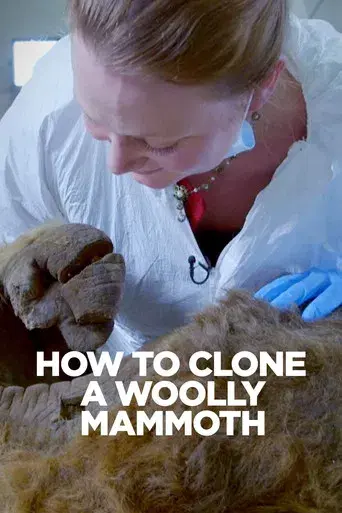
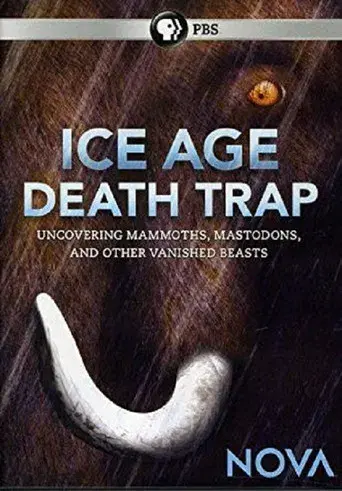
In a race against developers in the Rocky Mountains, paleontologists uncover a unique fossil site packed with astonishingly well-preserved bones of mammoths, mastodons, and other giant extinct beasts. The discovery opens a highly focused window on the vanished world of the Ice Age in North America.
Ice Age Death Trap

Dinosaurs died out 65 million years ago and we have hardly ever found a complete skeleton. So how do we turn a pile of broken bones into a dinosaur exhibit? Dr Alice Roberts finds out how the experts put skeletons back together, with muscles, accurate postures, and even - in some cases - the correct skin color. Here's a conundrum. Most dinosaur skeletons are incomplete, so how do you create museum exhibits that are realistic? As Dr Alice Roberts discovers, it's a practical question for those putting together an exhibition at LA County's Natural History Museum, who have to design dynamic, punter-pleasing displays that also reflect the latest thinking in paleontology circles.
How to Build a Dinosaur

Looking at whether the history of early human evolution should be rewritten. For decades, most experts have been convinced that Africa is the cradle of mankind and many fossil finds from Kenya, Ethiopia, South Africa and Chad seemed to prove it.
Out Of Europe

Renowned paleontologist Kirk Johnson takes us on an epic adventure through time at the polar extremes of our planet. Following a trail of strange fossils found in all the wrong places—beech trees in Antarctica, hippo-like mammals in the Arctic—Johnson uncovers the bizarre history of the poles, from miles-high ice sheets to warm polar forests teeming with life. What caused such dramatic changes at the ends of the Earth? And what can the past reveal about our planet’s climate today—and in the future?
Polar Extremes

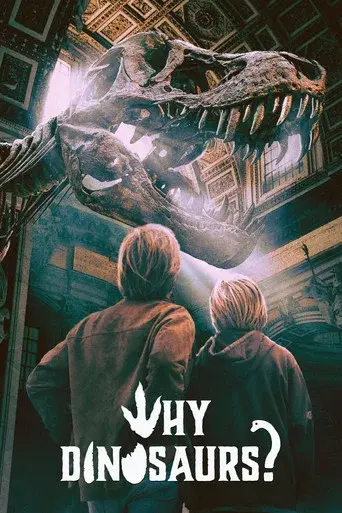
A dinosaur-obsessed teen and his filmmaker father travel the world interviewing paleontologists about the latest discoveries, tracking down the crew of Jurassic Park, digging up 150-million-year-old bones, and meeting dino fanatics of all walks of life.
Why Dinosaurs?


Five times, Earth has faced apocalyptic events that swept nearly all life from the face of the planet. What did these prehistoric creatures look like? What catastrophes caused their disappearance? And how did our distant ancestors survive and give rise to the world we know today?
Prehistoric Worlds

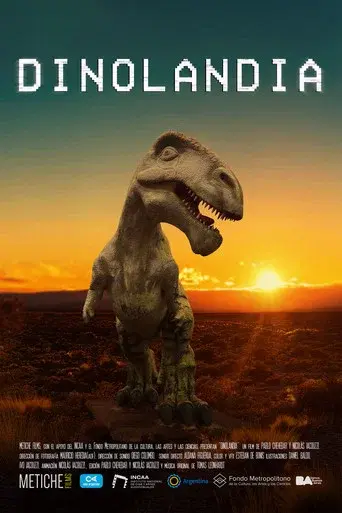
A mechanic discovers the fossil of a huge carnivorous dinosaur, unleashing a war between scientists, mayors and neighboring towns to keep “the biggest dinosaur in the world.” Among bone thefts, replicas and a mayor obsessed with creating Dinolandia, anything goes when it comes to surviving.
Dinolandia

Be transported back to prehistoric times in Dinosaurs Unearthed, a fascinating look at two groundbreaking dinosaur discoveries. In Dino Autopsy, leading paleontologists unlock the mysteries behind one of the most complete dinosaur mummies ever discovered. This rare specimen—fossilized with skin and tissue intact—is bringing us closer than ever to understanding how dinosaurs lived, looked, and moved. In Dino Death Trap, the fossilized remains of Tyrannosaurus rex's great-grandfather are unearthed in China's Gobi desert, revealing what tyrannosaurs looked like before they grew so gigantic. Featuring state-of-the-art research techniques and amazing new footage of dinosaur mummies, these two thrilling programs reveal fascinating new clues about the lives of the prehistoric giants who once ruled the Earth.