Rise of the Mammals
Overview
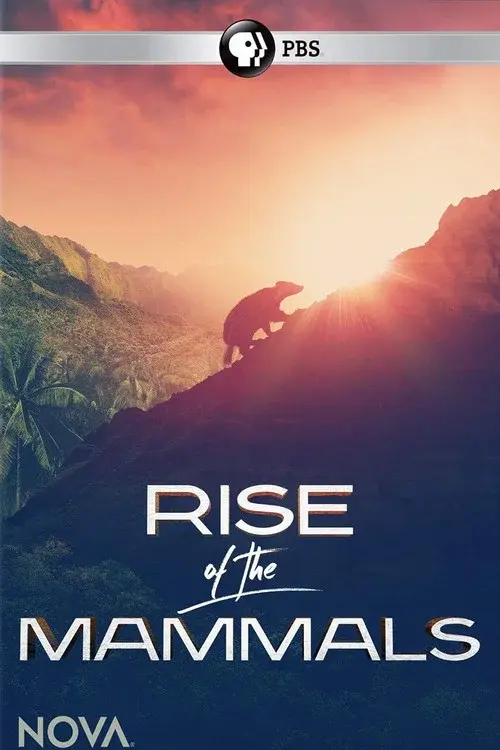
Sixty-six million years ago, an asteroid wiped out the dinosaurs in a fiery global catastrophe. But we know little about how their successors, the mammals, recovered and took over the world. Now, hidden inside ordinary-looking rocks, an astonishing trove of fossils reveals a dramatic new picture of how rat-sized creatures ballooned in size and began to evolve into the vast array of species—from cheetahs to bats to whales to humans—that rule our planet today.
Top Cast

Keith David
Self - Narrator
Key Film Crew
Production Stats
You May Also Like

„The Fabulous Insects – Ants“ shows the diversity, beauty and exciting strategies of ants in their respective habitats. Whether in the tropics of South America or in the native climes of Europe - the world of ants is full of surprises. The biomass of ants and humans in the world is about the same. Next to us, ants are probably the most adaptable creatures on the planet. Whether rainforest, savannah, forests or moors - ants populate every terrestrial habitat. You can observe particularly exciting natural history not only in the distant tropics, but also in densly populated Central Europe.
Fabulous Insects - Ants


Renowned paleontologist Kirk Johnson takes us on an epic adventure through time at the polar extremes of our planet. Following a trail of strange fossils found in all the wrong places—beech trees in Antarctica, hippo-like mammals in the Arctic—Johnson uncovers the bizarre history of the poles, from miles-high ice sheets to warm polar forests teeming with life. What caused such dramatic changes at the ends of the Earth? And what can the past reveal about our planet’s climate today—and in the future?
Polar Extremes
Shows places where rodents live, such as grass, rock crevices, or underground, and observes how they store food. Explains that rodents outnumber other mammals in both kinds and numbers. Points out that while some rodents spread disease or damage crops, others are important aids in scientific studies.
Mammals That Gnaw


In Egypt's Sahara Desert, massive skeletons with strange skulls and gigantic teeth jut out from the sandy ground. This fossil graveyard, millions of years old, is known as the "Valley of the Whales." Now, paleontologists have unearthed a whole new species of ancient whale dating to 43 million years ago, and this predator wasn't just able to swim – it also had four legs and could walk. Follow scientists as they search for new clues to the winding evolutionary path of mammals that moved from the land into the sea to become the largest animals on Earth.
When Whales Could Walk

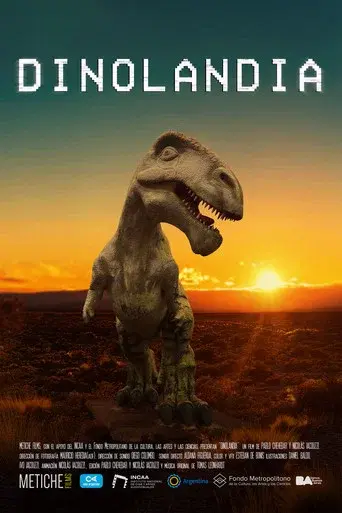
A mechanic discovers the fossil of a huge carnivorous dinosaur, unleashing a war between scientists, mayors and neighboring towns to keep “the biggest dinosaur in the world.” Among bone thefts, replicas and a mayor obsessed with creating Dinolandia, anything goes when it comes to surviving.
Dinolandia


Surveys the hoofed mammals, called ungulates, including those which are even-toed, such as hippopotami, pigs and deer and those which are odd-toed, such as rhinoceroses and horses. Describes their diets, feeding habits, special adaptations and usefulness to man.