Overview
This documentary looks at the stories of a few people in Aspen Colorado and how they contribute to the community.
Top Cast

Gretchen Bleiler
herself
Key Film Crew
Production Stats
You May Also Like
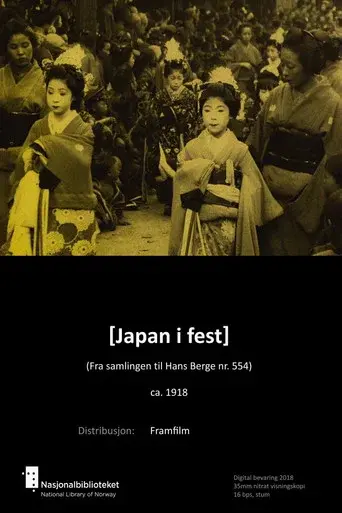
An actuality film showing a Buddhist festival in Kyoto. The procession includes Buddhist monks, geishas, and others dressed coordinately to the Japanese tradition.
Japan in Feast
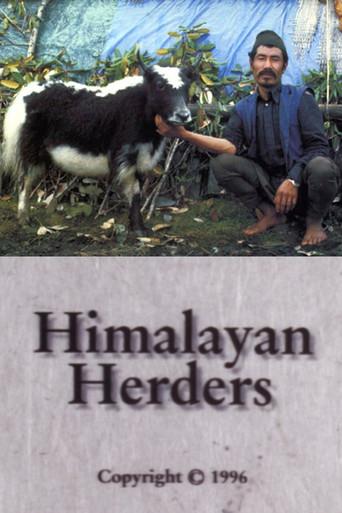
John Bishop and Naomi Bishop present a portrait a peculiar life style of the Himalayan indigenous Sherpa people in their documentary , the Himalayan Herders. The 76 minutes long film is about the diverse culture and life style of herders community near Mt. Everest region of Nepal.The film was made in 1997 as a part of Case Studies in Cultural Anthropology Series.
Himalayan Herders
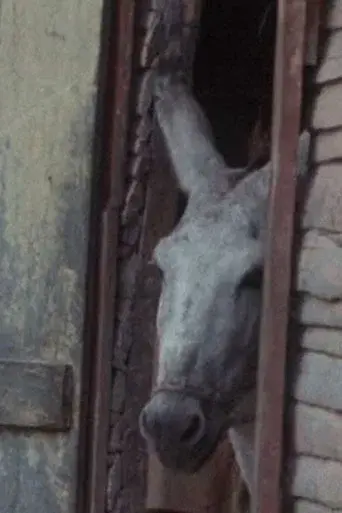
"With characteristic wit and rigor, experimental filmmaker Larry Gottheim here applies his impressionistic editing style to footage collected during his travels in the Dominican Republic. Gottheim’s formal emphasis on repetition and fissures between sound and image resonates here as a mode of sociological reflection (with the fragmentary montage mirroring elements of ritual while also destabilizing the ethnographic gaze). A largely overlooked antecedent to the contemporary blending of avant-garde and ethnographic filmmaking, MACHETTE GILLETTE… MAMA still poses a potent challenge to documentary convention." - Max Goldberg
Machete Gillette... Mama
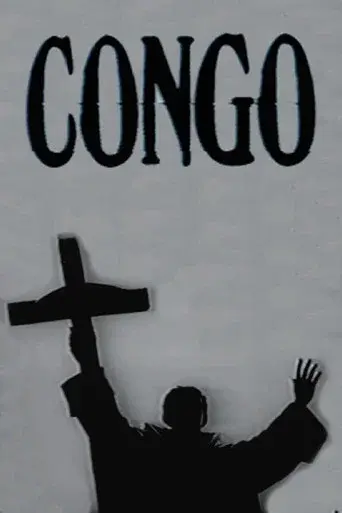
An experimental ethnographic documentary that criticizes the colonizer view of anthropology.
Congo
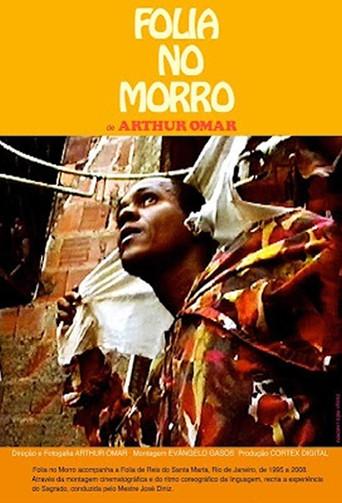
An ethnographic documentary following the Folia de Reis party that is celebrated every year at Morro de Santa Marta on Rio de Janeiro.
Folia no Morro
An ethnographic documentary which looks at the relationship between music and work in predominantly rural cultures. It depicts the lives of fisherman, shepherds and farmers and their relationship with music. The film also describes Basque ancestral instruments, with special emphasis on the origin and history of ‘bertsolarism’ (Basque verse singing) as a form of oral communication.
Euskal herri-musika
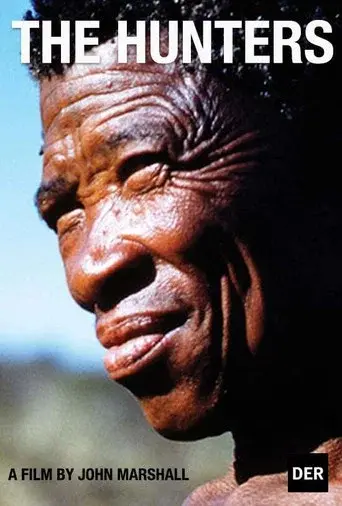
An ethnographic documentary following four Ju/’hoansi (!Kung) men during a multi-day giraffe hunt in the Kalahari Desert, filmed during the Smithsonian–Harvard Peabody expedition of 1952–53.
The Hunters

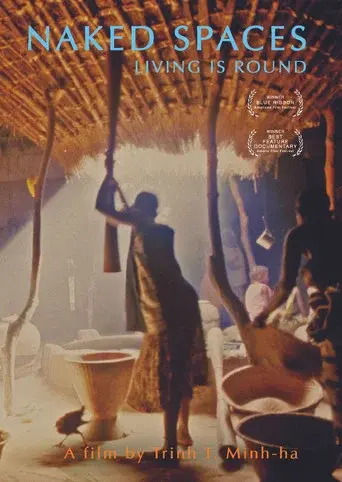

Exploring individual responses to rapid social change, Cowboy and Maria in town follows the parallel lives of its two central characters. Cowboy and Maria have independently landed in Port Moresby, negotiating ways to survive urban life in a city ranked as one of the most dangerous in the world. Cowboy is an ex-raskol (urban bandit) and Maria an inhabitant of a squatter settlement. Unemployed and with a jail record, Cowboy has constructed an electric guitar out of scrap materials and plays on street corners. Maria lives an equally precarious existence, cultivating a seasonal garden in an urban settlement inflamed by frustration and intertribal conflicts. Far from being third world victims, they go about their daily lives with humour and imagination, rising to the challenge of enormous cultural upheaval.
Cowboy and Maria in Town
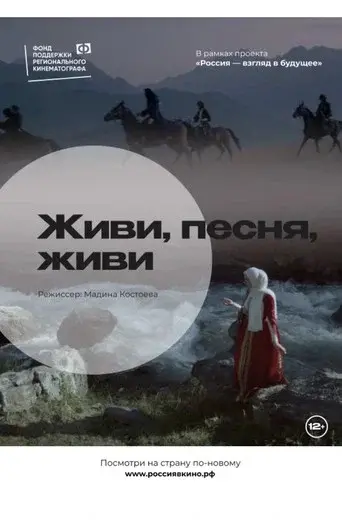
The film tells the story of ancient Ingush lullabies - Ingush women and men tell the lullabies of their families and the stories associated with them: love, friendship, blood feud.
Live, song, live!

The people and their labor are bound to the land in the cycle of activities to the sowing to the harvesting of wheat. Without narration or subtitles, the film conveys a sense of unity between the people and the land. Filmed in the Balkh Province, an area inhabited by Tajik and other Central Asian peoples. The town of Aq Kupruk is approximately 320 miles northwest of Kabul. The theme of the film focuses on rural economics. The film and accompaning instructor notes focus on herding, and fishing under diverse environmental conditions. The impact of technological change, human adaptation, and governmental extension of market systems are parallel themes.
Wheat Cycle
Experimental ethnographic digital feature exploring International student and teacher identity expressed through musical performance at the University of Jinan, Shandong, China.
A Wealth of Nations
'Mod' is an attempt by the filmmaker at communicating with the young men who hang out at the ‘notorious’ water tank in her neighbourhood in Pratap Vihar, Ghaziabad. The water tank is a space that is frequented by the so-called ‘no-gooders’ of the locality, a place where they play cricket, play cards, drink and smoke up. When she enters the space with her camera, the boys are curious and at the same time wary of it and her. They sometimes resist, sometimes protest, and at times, open up. As the film unfolds we get a hint of the lives the boys lead and the fragile world they create for themselves at the water tank.