Wheat Cycle
Overview
The people and their labor are bound to the land in the cycle of activities to the sowing to the harvesting of wheat. Without narration or subtitles, the film conveys a sense of unity between the people and the land. Filmed in the Balkh Province, an area inhabited by Tajik and other Central Asian peoples. The town of Aq Kupruk is approximately 320 miles northwest of Kabul. The theme of the film focuses on rural economics. The film and accompaning instructor notes focus on herding, and fishing under diverse environmental conditions. The impact of technological change, human adaptation, and governmental extension of market systems are parallel themes.
Key Film Crew
Production Stats
You May Also Like

Panama is reimagining coffee, and driving new standards for both quality and economics. Explores variety, farming practice, and processing innovation—notions traditionally associated only with winemaking. Through collaborative competition, Panamanian growers are banding together to raise the bar for coffee worldwide. Featuring interviews with award-winning coffee producers in Panama and global coffee celebrities, as well as stunning footage of Panama’s breathtaking highlands, Higher Grounds concludes with a hard look at the sustainability of specialty coffee, the implications for developing-region producers, and how Panama offers a model for the rest of the world.
Higher Grounds

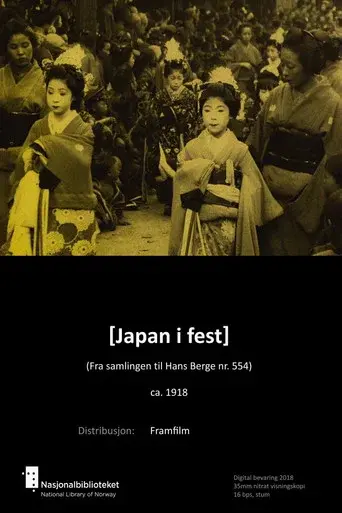
An actuality film showing a Buddhist festival in Kyoto. The procession includes Buddhist monks, geishas, and others dressed coordinately to the Japanese tradition.
Japan in Feast
A farmer struggles to make a living on his land near the coast of the Dead Sea.
Hassan's Tomatoes
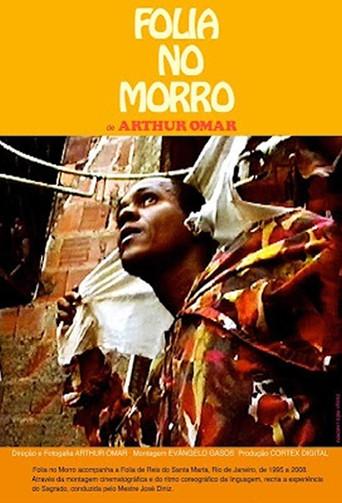
An ethnographic documentary following the Folia de Reis party that is celebrated every year at Morro de Santa Marta on Rio de Janeiro.
Folia no Morro
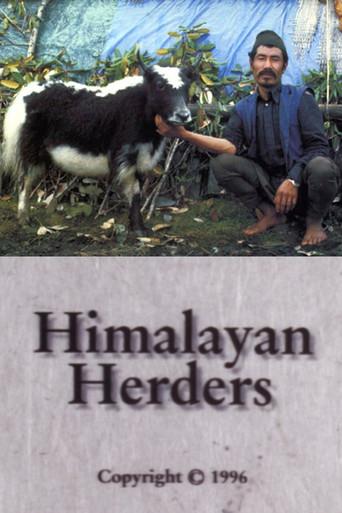
John Bishop and Naomi Bishop present a portrait a peculiar life style of the Himalayan indigenous Sherpa people in their documentary , the Himalayan Herders. The 76 minutes long film is about the diverse culture and life style of herders community near Mt. Everest region of Nepal.The film was made in 1997 as a part of Case Studies in Cultural Anthropology Series.
Himalayan Herders

An experimental ethnographic documentary that criticizes the colonizer view of anthropology.
Congo
An ethnographic documentary following four Ju/’hoansi (!Kung) men during a multi-day giraffe hunt in the Kalahari Desert, filmed during the Smithsonian–Harvard Peabody expedition of 1952–53.
The Hunters
The documentary takes the viewer to the Polish countryside of the mid-1970s. Andrzej, Leszek, Eugeniusz, Ryszard and Jerzy are young men who dream of finding their other half. The film's protagonists have advertised in newspapers and talk frankly and without inhibition about their search and the dilemmas it involves. The picture is complemented by the statements of their parents, who watch their sons' efforts to start a family with love but also concern. The film also gives an insight into the problems farmers face - not only love but also hard work on the land awaits the chosen one of their hearts. "Either get married or quit this farm", "What's one to do on a farm?" - say the characters in the film. The countryside is not a place made for living alone.
It's Hard By Oneself...
When Terry and Monique left the opera to pursue their true passion - ecological farming - their story of community and resilience took center stage. We follow their young family and a diverse group of farmers and scientists as they blend age old traditions with cutting edge science to develop improved methods for growing food ecologically and in a changing climate. A hopeful story and Canadian perspective on a global social movement that regenerates the land, farming and communities.
From Seed to Seed
A strange story from Somerset, England about a filmmaking farmer and the inspiring legacy of his long-lost home movies.
A Life on the Farm
An ethnographic documentary which looks at the relationship between music and work in predominantly rural cultures. It depicts the lives of fisherman, shepherds and farmers and their relationship with music. The film also describes Basque ancestral instruments, with special emphasis on the origin and history of ‘bertsolarism’ (Basque verse singing) as a form of oral communication.
Euskal herri-musika
Farmers alone cannot make our food system thrive - it’s up to all of us. That is the message of this enlightening and encouraging film. The good stewardship efforts being made by farmers, consumers and policy makers in the rapidly growing county of Ventura, California will inspire any community interested in preserving agricultural resources.
Good Stewards
"With characteristic wit and rigor, experimental filmmaker Larry Gottheim here applies his impressionistic editing style to footage collected during his travels in the Dominican Republic. Gottheim’s formal emphasis on repetition and fissures between sound and image resonates here as a mode of sociological reflection (with the fragmentary montage mirroring elements of ritual while also destabilizing the ethnographic gaze). A largely overlooked antecedent to the contemporary blending of avant-garde and ethnographic filmmaking, MACHETTE GILLETTE… MAMA still poses a potent challenge to documentary convention." - Max Goldberg
Machete Gillette... Mama
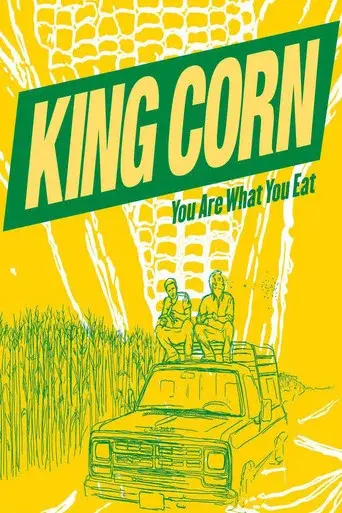
King Corn is a fun and crusading journey into the digestive tract of our fast food nation where one ultra-industrial, pesticide-laden, heavily-subsidized commodity dominates the food pyramid from top to bottom – corn. Fueled by curiosity and a dash of naiveté, two college buddies return to their ancestral home of Greene, Iowa to figure out how a modest kernel conquered America. With the help of some real farmers, oodles of fertilizer and government aide, and some genetically modified seeds, the friends manage to grow one acre of corn. Along the way, they unlock the hilarious absurdities and scary but hidden truths about America’s modern food system in this engrossing and eye-opening documentary.