Dancing Auschwitz: Old Family Footage
Overview
The animate body as a medium for the celebration of life is on display as a young Jane Korman dances with her parents and their friends, all of whom are Holocaust survivors, in an Australian forest.
Key Film Crew
Production Stats
You May Also Like
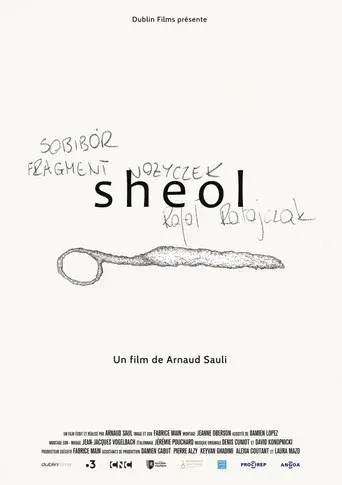
In a forest in eastern Poland, an archaeologist digs to bring to light the traces of the Sobibor extermination center. Thousands of objects that belonged to the victims are emerging from the ground as fragile witnesses. This research must be completed, because the construction of a new museum-memorial is beginning. How can the Shoah be commemorated on its own site, today and tomorrow, when an era without witnesses is emerging? How does the Shoah continue to work on the history and memory of Poland, of its citizens, within Europe, in a conflicting political context? The film looks at these questions by showing and hearing the voices of archaeologists, historians, architects, journalists, curators, and visitors linked to Sobibor.
Sheol
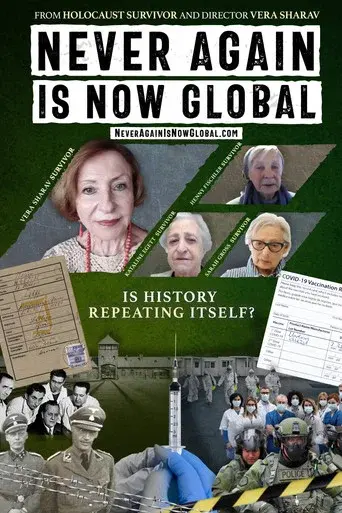


Eva Mozes Kor, who survived Josef Mengele's cruel twin experiments in the Auschwitz concentration camp, shocks other Holocaust survivors when she decides to forgive the perpetrators as a way of self-healing.
Forgiving Dr. Mengele

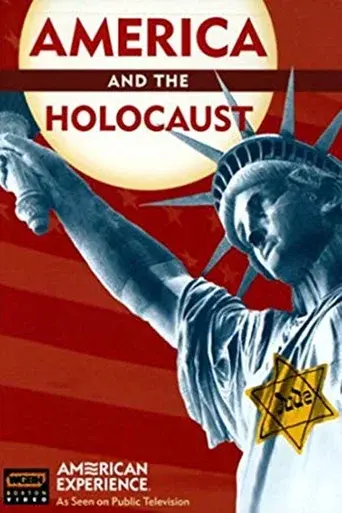



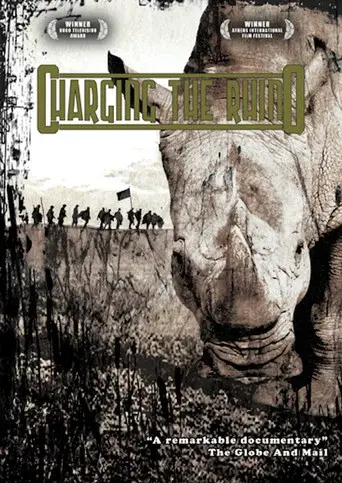
On June 29, 1941 thousands of Jews were herded into a courtyard in Iasi, Romania and were massacred by German and Romanian soldiers. Many of the Jacobovicis of Romania died that day. Canadian filmmaker Simcha Jacobovici goes back to the land of his forebears and explores issues of memory - his and Romania's. Charging the Rhino is a documentary about the Romanian Holocaust. Romanian fascists shot filmmaker Simcha Jacobovici’s father, Joseph, during WWII. Romanian communists shot his cousin, Sasha, during the Cold War. Through their stories the film explores the devastating history of fascism and communism in Romania and the life-altering affect it had on the psyche of those who endured Romania’s unimaginable.
Charging The Rhino
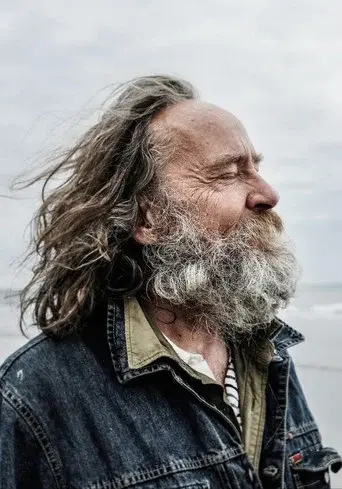
Documentary film about Martin Park, a homeless man living in Dublin, and his friendship with photographer and filmmaker Donal Moloney.
Martin


The first woman rabbi in the world, Regina Jonas, comes to light, courtesy of Rachel Weisz – who plays her – and her father George Weisz, who was the executive producer for this poetic and beautiful documentary. The daughter of an Orthodox Jewish peddler, Jonas was ordained in Berlin in 1935. During the Nazi era and the war, her sermons and her unparalleled devotion brought encouragement to the persecuted German Jews. Regina Jonas was murdered in Auschwitz in 1944. The only surviving photo of Jonas serves as a leitmotif for the film, showing a determined young woman gazing at the camera with self-confidence.
Regina

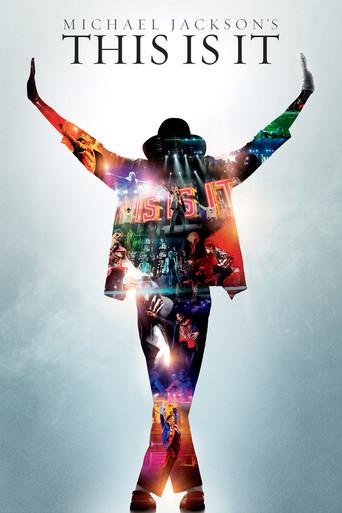
A compilation of interviews, rehearsals and backstage footage of Michael Jackson as he prepared for his series of sold-out shows in London.