Overview
What is it like to be young and grow up on a reserve? Focussing on music lessons, the film reveals the complex relationships that Indigenous youth can have with their “white” teachers. How can two cultures come together? A question the film asks, while inviting us into the private worlds of three Atikamekw teenagers, Myrann, Wapan and Seskin, who are trying to build their future and find a place in this world.
Key Film Crew
Production Stats
You May Also Like

With the energy of the dying, those in power apply themselves to reasserting the value of work – with force, if need be. But more and more workers have understood that, to truly value their work, they have to do without it. They also have to get rid of the society of consumption that goes along with it. It may not be easy, but it is certainly amusing. We present a panorama of a mass desertion destined to spread.
Attention danger travail


After losing his job during lockdown, Natan signs up to a microtask website. Having become a “Turker” alongside tens of thousands of others, he is paid a cent for each face he erases on Google Street View. Under the guise of Otto, a fictional character, he embarks on an experimental and playful investigation into “clickworkers”, haunted by the spectre of Beckett.
Human Not Human
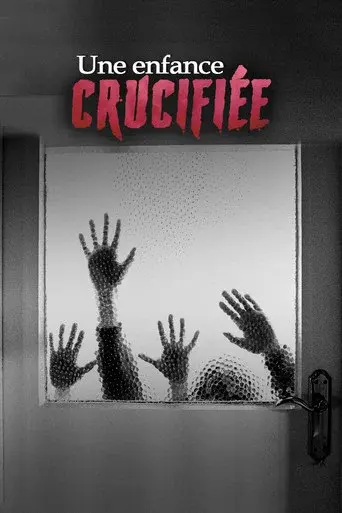


Fang Xu Shi lives with many other immigrants around the film sets of Hengdian, relying on the ongoing productions to hire him temporarily as an extra. He reflects on his life and, more particularly on his past and his relationship with his father in this universal story of human philosophy and survival.
Wild Beast
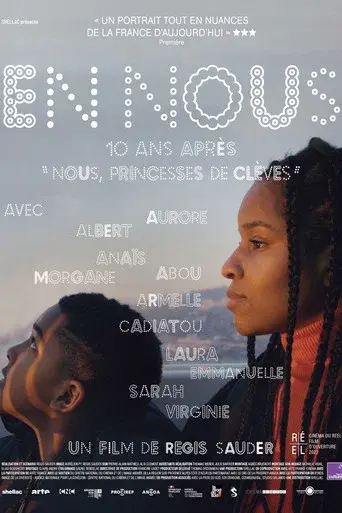
Ten years ago, the paths of Abou, Laura, Cadiatou and Jacques have crossed Emmanuelle’s. She was their French teacher at a high school in Marseille. Together they took part in a film, Children of the Princess of Cleves, in which, while analyzing the classic text, they expressed their hopes, dreams, and fears. In En Nous, the director re-connects with the protagonists : memories blend with stories of their lives and the daily obstacles they must overcome whilst trying not to lose hope. Now, the sentence of the Princess of Cleves rings poignantly true: “I know nothing can be more difficult than what I undertake”.
En nous

A chronicle of legendary Native American poet/activist John Trudell's travels, spoken word performances, and politics.
Trudell

Documentary chronicling the government relocation of 10,000 Navajo Indians in Arizona.
Broken Rainbow


Twenty young actors are brought together for a creation lab to create a collective work at one of the great national theatres. Over a full year, they scour contemporary Québécois poetry to tap into the spirit of the times.
Je me soulève

This Traveltalk series short visits a large intertribal meeting of American Indians from all over the western United States. Members of about 30 tribes attended the event, which lasts several days. Attendees perform various tribal ceremonies, demonstrate their skills at crafts (pottery, weaving, doll making), and participate in rodeo events.
Red Men on Parade

Paris, summer 1960. Anthropologist and filmmaker Jean Rouch and sociologist and film critic Edgar Morin wander through the crowded streets asking passersby how they cope with life's misfortunes.
Chronicle of a Summer

In Nepal, a venerable monk, Geshe Lama Konchog, dies and one of his disciples, a youthful monk named Tenzin Zopa, searches for his master's reincarnation. The film follows his search to the Tsum Valley where he finds a young boy of the right age who uncannily responds to Konchog's possessions. Is this the reincarnation of the master? After the boy passes several tests, Tenzin takes him to meet the Dali Lama. Will the parents agree to let the boy go to the monastery, and, if so, how will the child respond? Central to the film is the relationship the child develops with Tenzin.
Unmistaken Child

Karrar asks Qassomi what he wants to eat, and Qassomi eagerly lists a feast: rice, chicken, stew, tashreeb, and makhlama. Karrar jokingly responds with "foul and makfoul," prompting Qassomi to reply, "According to tradition." The exchange ends with Karrar making a loud tongue fart sound ("zij"), turning the conversation into a short, absurd comedy sketch.