Overview
Raymond Roy is a 64-year-old idealist, an energetic social activist ready to give everything he has to those living on the edge: the alienated, impoverished and exploited members of society. Raymond is also a priest, doing what he has wanted to do ever since he was a teenager. Filmmaker Serge Giguère paints an intimate portrait of a man who has spent 30 years fighting for an alternative vision of life in his community. The film is a blend of cinema vérité and social history that provides a view of the man and his work from without and within, from the poetry of his personal diary laced with doubts and self-criticism, to the many achievements of the community groups he helped. Filming over several years, Giguère gives us a sense of the changes in values and attitudes of those who run our society, along with the role of the community groups who provide solutions, inspiration and a sense of renewal.
Top Cast

Raymond Roy
Himself
Key Film Crew
Production Stats
You May Also Like
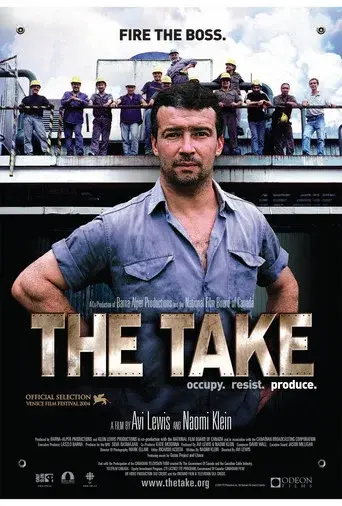
In suburban Buenos Aires, thirty unemployed ceramics workers walk into their idle factory, roll out sleeping mats and refuse to leave. All they want is to re-start the silent machines. But this simple act - the take - has the power to turn the globalization debate on its head. Armed only with slingshots and an abiding faith in shop-floor democracy, the workers face off against the bosses, bankers and a whole system that sees their beloved factories as nothing more than scrap metal for sale.
The Take
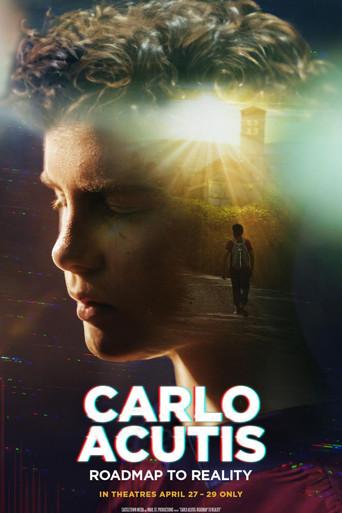

We often have ideas of religious life... either kneeling in a convent or out in the streets assisting the poor. While both of these scenes are essential to the life as a sister, Light of Love takes a deeper look into understanding the call... the "why" of religious life. By interviewing five sisters from five orders across the United States, the film places viewers face to face in intimate conversations with these amazing women. What does it mean to be called? What are the struggles of religious life? How have you seen God move through your ministry? These questions and others are addressed throughout the film. The film itself is very simple: 60 minutes designed for viewers to quiet their surroundings and enter into convent, the food pantry, the hospital, and the chapel. With minimal music and simple visuals, Light of Love gives viewers a look into the lives, suffering, and joys of religious life captured in a way like never before.
Light of Love
Since his election to the papacy, Pope Francis has inspired millions by urging us to embrace Mercy, ultimately revealed in the face of Christ. Now comes an extraordinary new film on this powerful message that brings hope, healing and forgiveness to a broken world. Narrated by Jim Caviezel, The Face of Mercy explores the history and relevance of Divine Mercy in our turbulent times. (Released 2016)
The Face of Mercy

Father Michael McGivney is a documentary that brings to life the story of one of America's most extraordinary Catholic priests. Born in Connecticut of Irish immigrant parents just a few years before the Civil War, Michael McGivney grew up at a time when millions of Catholic immigrants were struggling to overcome poverty and prejudice. As a parish priest in the gritty New England manufacturing town of New Haven, he made a deep impact on his community, earning the respect of the Protestant establishment and the love of his parishioners at St. Mary's Church. Emboldened to care for families threatened by the death of the breadwinner, Fr. McGivney founded the Knights of Columbus, a mutual benefit society that today remains the world's largest Catholic lay organization with 1.8 million members in 13 nations. This film offers a rare glimpse into the life of an extraordinary priest and visionary leader. (Released 2014)
Father Michael McGivney
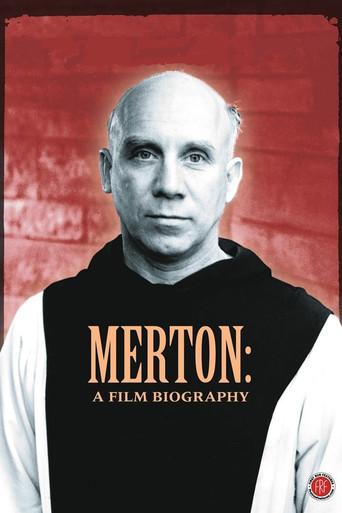
In his lifetime, Thomas Merton was hailed as a prophet and censured for his outspoken social criticism. For nearly 27 years he was a monk of the austere Trappist order, where he became an eloquent spiritual writer and mystic as well as an anti-war advocate and witness to peace. Merton: A Film Biography provides the first comprehensive look at this remarkable 20th century religious philosopher who wrote, in addition to his immensely popular autobiography The Seven Storey Mountain, over 60 books on some of the most pressing social issues of our time, some of which are excerpted here. Merton offers an engaging profile of a man whose presence in the world touched millions of people and whose words and thoughts continue to have a profound impact and relevance today.
Merton: A Film Biography
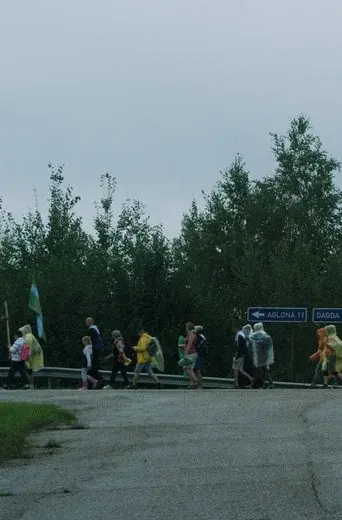
"If a person doesn't go to church anymore, then the church should go to them," says Rinalds, a calm, smiling, young man with a good sense of humor. He is a priest from a small village in Latgale, Latvia's easternmost and poorest region, and the documentary Prīsters (The Priest) follows the routines of his daily life, his thoughts of life and religion and why he chose this path for himself.
The Priest

MAXIMÓN - Devil or Saint is a documentary about the controversial Maya deity, also known as San Simon or the drinking and smoking saint of Guatemala. He is a mixture of ancient Maya beliefs and Christianity. The movie concentrates on the people who surround Maximón with their strong personalities, opinions and faith. The documentary gives us a rare view into the rituals and fiestas honoring Maximón. The cult of Maximón is flourishing because he performs miracles. He is also feared and despised because he is used to cast curses that can result in death. Ultimately, Maximón transcends the duality of good and evil, reflecting the Maya cosmovision in which everything in the universe co-exists.
Maximón: Devil or Saint
In 2012, Stephen Vaughan and Kay Ferreter are invited to address the congregation at St. Joseph's Redemptorists Church in Dundalk, Ireland for the Solemn Novena Festival. In a powerful speech, the pair describe their experiences being gay and lesbian in Ireland, feeling excluded by Catholic doctrine, and the importance of a more inclusive church.
Novena
Commentator-comic Bill Maher plays devil's advocate with religion as he talks to believers about their faith. Traveling around the world, Maher examines the tenets of Christianity, Judaism and Islam and raises questions about homosexuality, proof of Christ's existence, Jewish Sabbath laws, violent Muslim extremists.
Religulous
Railroad of Hope consists of interviews and footage collected over three days by Ning Ying of migrant agricultural workers traveling from Sichuan in China's interior, to the Xinjiang Autonomous Region, China's northwest frontier.[1] Through informal interviews aboard the cramped rail cars, Ning Ying explores the hopes and dreams of the workers, many of whom have never left their homes before.
Railroad of Hope
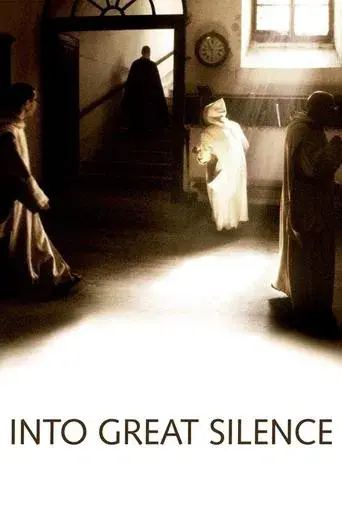
An intimate portrayal of the everyday lives of Carthusian monks of the Grande Chartreuse, high in the French Alps (Chartreuse Mountains). The idea for the film was proposed to the monks in 1984, but the Carthusians said they wanted time to think about it. The Carthusians finally contacted Gröning 16 years later to say they were now willing to permit Gröning to shoot the movie, if he was still interested.