

Nous, ouvriers : « Nos rêves ont façonné la société » (1963-1983)
Overview
No overview summary available for this movie.
Key Film Crew
Production Stats
You May Also Like
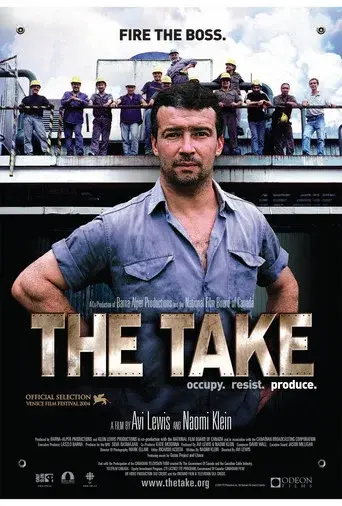
In suburban Buenos Aires, thirty unemployed ceramics workers walk into their idle factory, roll out sleeping mats and refuse to leave. All they want is to re-start the silent machines. But this simple act - the take - has the power to turn the globalization debate on its head. Armed only with slingshots and an abiding faith in shop-floor democracy, the workers face off against the bosses, bankers and a whole system that sees their beloved factories as nothing more than scrap metal for sale.
The Take
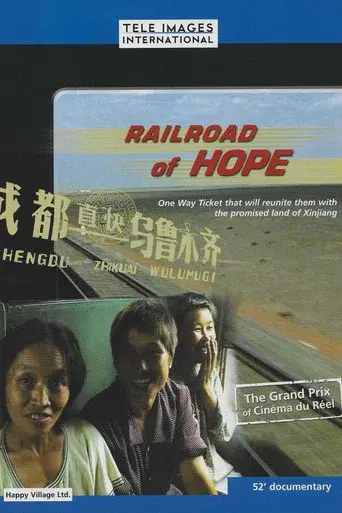
Railroad of Hope consists of interviews and footage collected over three days by Ning Ying of migrant agricultural workers traveling from Sichuan in China's interior, to the Xinjiang Autonomous Region, China's northwest frontier.[1] Through informal interviews aboard the cramped rail cars, Ning Ying explores the hopes and dreams of the workers, many of whom have never left their homes before.
Railroad of Hope
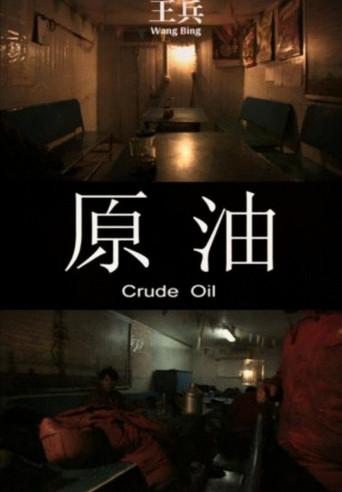
Filmed in the Inner Mongolian portion of the Gobi Desert, this film follows a group of oil field workers as they go about their daily routine.
Crude Oil
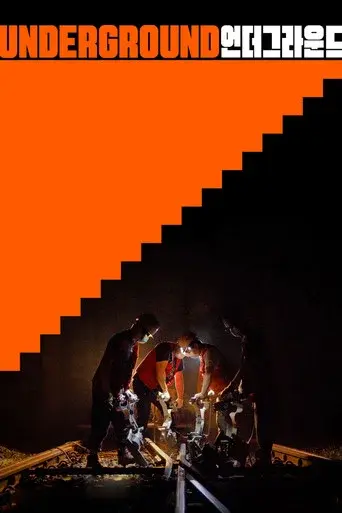
Numerous people are on subway trains running up and down the city center endlessly. There are people who run this decent space “underground”. Under the noisy world today, we approach them to see what life is like underground.
Underground
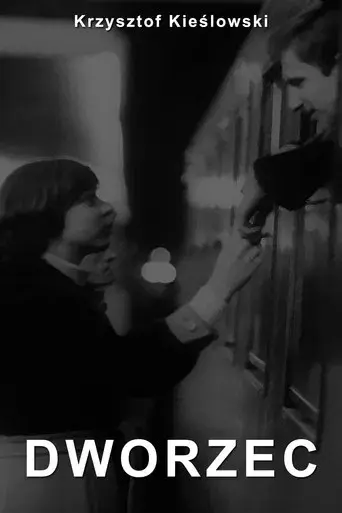
Warsaw's Central Railway Station. 'Someone has fallen asleep, someone's waiting for somebody else. Maybe they'll come, maybe they won't. The film is about people looking for something.
Railway Station
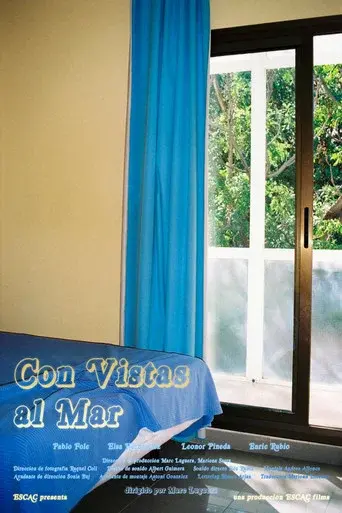
After consolidating itself as a tourist destination in the mid-1960s, this small coastal village has become the dormitory town for the workers of a Nuclear Power Plant. With the liberal promise of prosperity and socioeconomic wellfare, many workers left their homes to move to the small city and started working at the new Nuclear Power Plant. The collective unrest and the silence, cut off by the great gusts of wind, articulate the landscape of the village that is now under the aid of the Nuclear Power Plant.
With Sea Views
What happens when subcontracted precarious workers turn into podcast DJ. Subcontracted precarious workers at the SK Broadband, Inc. began a podcast titled ‘Workers Have Changed!’ to broadcast the story about their strike for job security. The podcast studio becomes a theater of their life as they share their stories - daily hardshipsof subcontracted labor, coping with rude customers, and their futures and dreams.
Play On

Raymond Roy is a 64-year-old idealist, an energetic social activist ready to give everything he has to those living on the edge: the alienated, impoverished and exploited members of society. Raymond is also a priest, doing what he has wanted to do ever since he was a teenager. Filmmaker Serge Giguère paints an intimate portrait of a man who has spent 30 years fighting for an alternative vision of life in his community. The film is a blend of cinema vérité and social history that provides a view of the man and his work from without and within, from the poetry of his personal diary laced with doubts and self-criticism, to the many achievements of the community groups he helped. Filming over several years, Giguère gives us a sense of the changes in values and attitudes of those who run our society, along with the role of the community groups who provide solutions, inspiration and a sense of renewal.
9 St-Augustin

A highly choreographed review of the Industrial Age as we know it today – an intense and playful roller coaster ride that demands the viewer confronts how “work works.” Culled entirely from archival footage, the film unfolds in the filmmakers’ trademark, and humorously critical, cinematic voices.
Jobs for All!


This extraordinary documentary is an unflinching record of the workers’ struggle during Japan’s economic rebirth in the 1980s, centered on Tokyo’s Sanya “yoseba”—a slum community dating from the 19th century where day laborers lived in terrible conditions while they sought work.
Yama – Attack to Attack


Get to know a little bit about Paulo Moreira, sign painter from the metropolitan region of Belo Horizonte - MG, his hand painting techniques and the challenges that his profession presents in the daily lives of big cities.
Banners


Hidayet Usta is a shoemaker in his early 80s who has made a living repairing shoes. Having separated from his wife years ago and with a strained relationship with his children, Hidayet lives alone, but contentedly in his own world.
Mr. Hidayet

Every season, tens of thousands of migrant farmworkers converge on small communities like Immokalee, Florida where they plant and harvest the food that Americans consume. A vast majority of these workers are undocumented, leaving them at the mercy of the large agribusinesses who hire them, the crew leaders who contract them and the landlords and businesses that profit from the seasonal arrival of migrant workers. Their "undocumented" legal status allows for a system of exploitation that leaves workers and their families to endure conditions and wages that rarely meet international human rights standards. Immokalee U.S.A. documents these daily experiences, leading the viewer to examine their own role in the issues migrant workers face in the U.S.A.
Immokalee U.S.A.

Set against the backdrop of New York City, the film follows delivery industry workers as they take on some of the world s most powerful corporate giants, touching on the challenges, joys and human elements that make this movement possible.
Union Town

“The scene depicts the collapse of a section of wall in a factory.” Three workers demolish a wall in the presence of Auguste Lumière.
