Un-Documented: Unlearning Imperial Plunder
“Colonizers stole not just statues, but rights inscribed in objects.”
Overview
Un-Documented argues against Alain Resnais and Chris Marker’s film Statues Also Die (1963). Focusing on plundered objects in European museums and listening to the call of asylum seekers to enter European countries, their former colonizing powers, the film defends the idea that their rights are inscribed in these objects that were kept well documented all these years.
Key Film Crew
Production Stats
You May Also Like
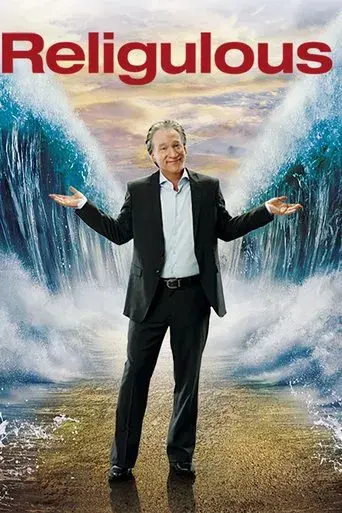
Commentator-comic Bill Maher plays devil's advocate with religion as he talks to believers about their faith. Traveling around the world, Maher examines the tenets of Christianity, Judaism and Islam and raises questions about homosexuality, proof of Christ's existence, Jewish Sabbath laws, violent Muslim extremists.
Religulous
Director Agnès Varda and photographer/muralist JR journey through rural France and form an unlikely friendship.
Faces Places

Ka Hoʻina documents members of Hui Mālama I Nā Kūpuna O Hawaiʻi Nei's final repatriation of over 140 sets of iwi kupuna and provides an intimate look into the legacy forged by these committed and passionate few, ensuring that Hawaiians will mālama or care for kupuna for generations to come.
Ka Ho‘ina: Going Home

Focused on the experiences of Manuel "Manolo" Díaz Caballero, who was a local police officer in Malaga for more than 30 years, his memories of those years are the subject of this documentary.
My Uncle Manolo
This spiritual successor to the 1942 original explores the vibrant yet tumultuous growth of Britishness over the past century. The film gives voices to a new reality of Britain, one that has been formed through the flourishing multiculturalism the country has seen since the original film was made. Academics and artists are interviewed to explore both past and present, and consider what a future Britain may look like.
Listen to Britain
A journey through Ukraine that reveals the banality of evil behind the Russian invasion with the shocking juxtaposition of two realities: the Ukrainians who have been suffering and resisting the war violence, and the Russian military, and civilians, who have been perpetrating it.
Intercepted



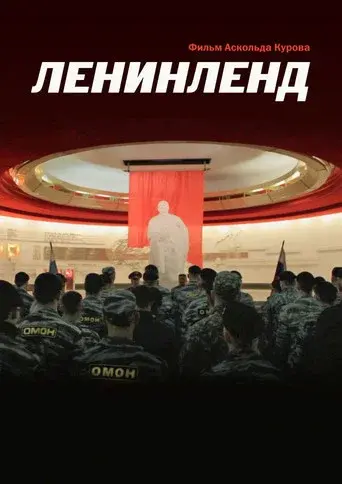
At the peak of Perestroika, in 1987, in the village of Gorki, where Lenin spent his last years, after a long construction, the last and most grandiose museum of the Leader was opened. Soon after the opening, the ideology changed, and the flow of pilgrims gradually dried up. Despite this, the museum still works and the management is looking for ways to attract visitors. Faithful to the Lenin keepers of the museum as they can resist the onset of commercialization. The film tells about the modern life of this amazing museum-reserve and its employees.
Leninland

In the fifties, when the future Democratic Republic of Congo was still a Belgian colony, an entire generation of musicians fused traditional African tunes with Afro-Cuban music to create the electrifying Congolese rumba, a style that conquered the entire continent thanks to an infectious rhythm, captivating guitar sounds and smooth vocals.
The Rumba Kings
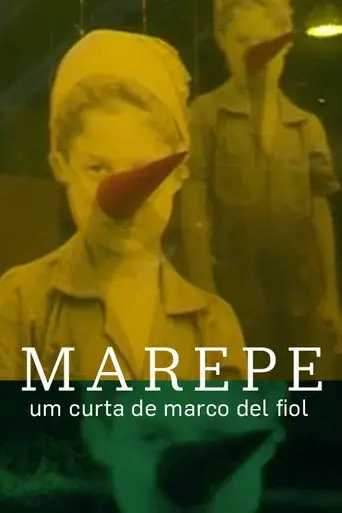
Marepe, an artist from Bahia, produces art with anything he comes across in the town he lives in, Santo Antônio de Jesus. Packs of cigarettes, coconut palms, walls, and memories taken from the streets, go into putting together a personal archeology for this young artist.