
Overview
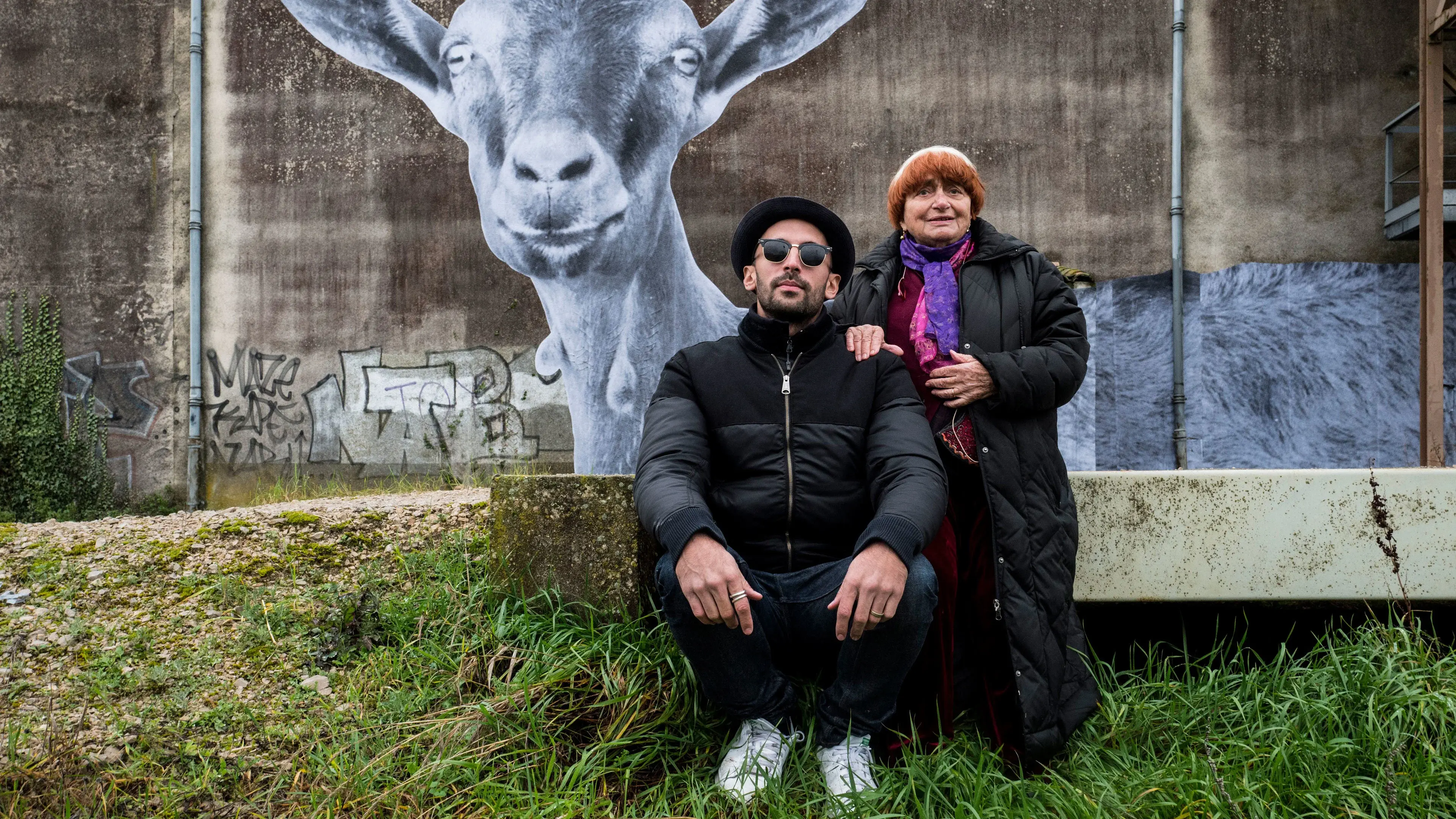
Director Agnès Varda and photographer/muralist JR journey through rural France and form an unlikely friendship.
Top Cast

Agnès Varda
Self

JR
Self

Patricia Mercier
Self
Amaury Bossy
Self
Claude Flaert
Self
Clemens Van Dungern
Self
Didier Campy Comte
Self
Jacky Patin
Self
Jean-Luc Godard
Self
Jeannine Carpentier
Self
Jean-Paul Beaujon
Self
Marie Douvet
Self
Key Film Crew
Production Stats
You May Also Like
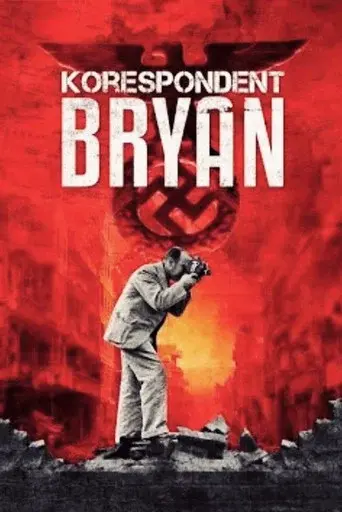
The film is based solely on footage shot in Warsaw in 1939 by Julien Hequembourg Bryan. This American filmmaker and photographer documented life in Poland, the Soviet Union and Nazi Germany between 1935 and 1939. Following the outbreak of the Second World War, he arrived in Warsaw, where he shot a number of films documenting the city under siege, and is said to be the only foreign correspondent in the Polish capital at the time. Bryan also took the first colour photographs of wartime Warsaw.
Korespondent Bryan
Four Brazilian friends meet to reflect on the importance of the friendship network they built from being immigrants in Argentina. Drawn by nostalgia, they travel a sensory path to their roots and, through food and dance, they explore the challenges and satisfactions of living in another country.
SAUDADE
Blind Skateboard's 2nd video since the release of the 1991 film "Video Days"
Blind - What If?
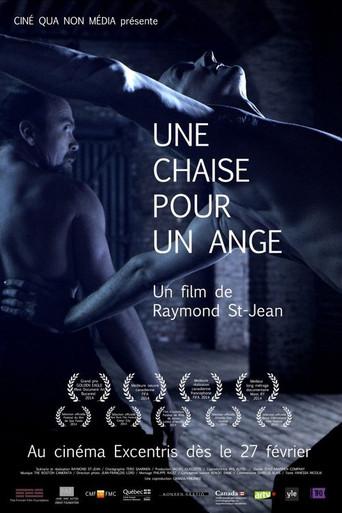
For two hundred years, the Shakers have been America's most successful utopian society. While seeking harmony, order and perfection in every aspect of their lives, they built minimalistic furniture and buildings that influenced modern design. The Shakers wrote songs of exquisite beauty and danced to the point of ecstasy during their religious meetings. Inspired by this music and dance, choreographer Tero Saarinen created Borrowed Light, a dance piece about communal life and individual sacrifice. Shot in Finland and the United States, featuring interviews and excerpts from Borrowed Light, this documentary explore the cultural legacy of this religious group devoted to creating heaven on earth.
A Chair Fit for an Angel
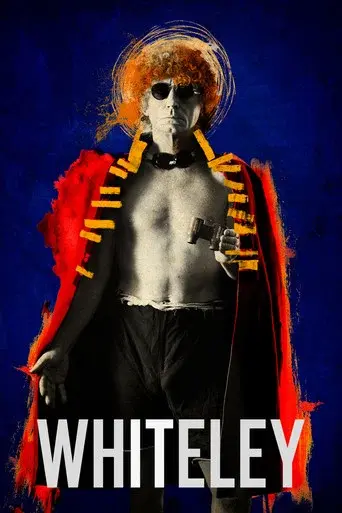
A visual journey into the life and legacy of one of Australia's most celebrated artists, Brett Whiteley.
Whiteley

The video revolution of the 1970s offered unprecedented access to the moving image for artists and performers. This Is Not a Dream explores the legacies of this revolution and its continued impact on contemporary art and performance. Charting a path across four decades of avant-garde experiment and radical escapism, This Is Not a Dream traces the influences of Andy Warhol, John Waters and Jack Smith to the perverted frontiers of YouTube and Chatroulette, taking in subverted talk shows and soap operas, streetwalker fashions and glittery magic penises along the way.
This Is Not a Dream
The Junk King (Vince Hannemann) gives valuable insight regarding his art and the Cathedral of Junk in Austin, TX.
The Junk King
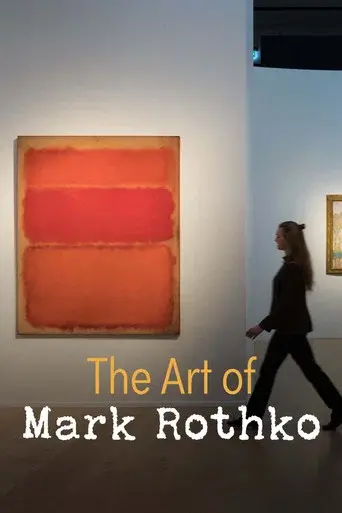
This film traces the elusive trajectory of Mark Rothko (1903-1970), the American master of abstract expressionism who called his work "a pharmacy for the soul." Moving from Latvia to the US as a child, he left Yale to paint, later inspired by Italy to create his iconic color fields. Full of vibrant colors, drama, and emotion, this subtle portrait makes his legendary art shine forth.
The Art of Mark Rothko

Poème Électronique is an 8-minute piece of electronic music by composer Edgard Varèse, written for the Philips Pavilion at the 1958 Brussels World’s Fair. The Philips corporation commissioned Le Corbusier to design the pavilion, which was intended as a showcase of their engineering progress. The pavilion was shaped like a stomach, with a narrow entrance and exit on either side of a large central space. As the audience entered and exited the pavilion, the electronic composition Concret PH by Iannis Xenakis (who also acted as Le Corbusier's architectural assistant for the pavilion's design) was heard. Poème électronique was synchronized to a film of black and white photographs selected by Le Corbusier which touched on vague themes of human existence.
Electronic Poem
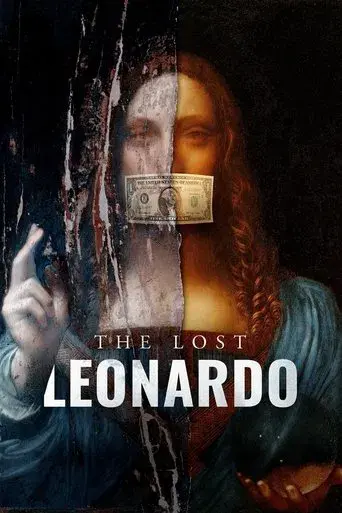
London, England, 2008. Some of the most distinguished experts on the work of Italian artist Leonardo da Vinci (1452-1519) gather at the National Gallery to examine a painting known as Salvator Mundi; an event that turns out to be the first act of one of the most fascinating stories in the history of art.
