

Marepe
Overview
Marepe, an artist from Bahia, produces art with anything he comes across in the town he lives in, Santo Antônio de Jesus. Packs of cigarettes, coconut palms, walls, and memories taken from the streets, go into putting together a personal archeology for this young artist.
Top Cast

Marepe
self
Key Film Crew
Production Stats
You May Also Like
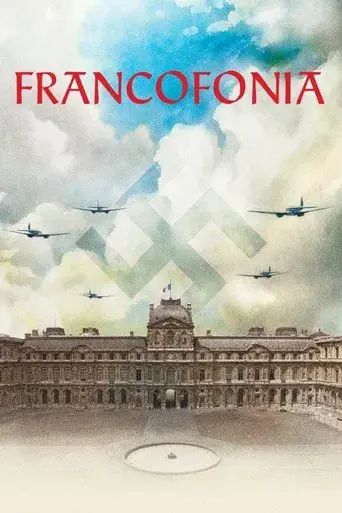
Master filmmaker Alexander Sokurov (Russian Ark) transforms a portrait of the world-renowned museum into a magisterial, centuries-spanning reflection on the relation between art, culture and power.
Francofonia

Poème Électronique is an 8-minute piece of electronic music by composer Edgard Varèse, written for the Philips Pavilion at the 1958 Brussels World’s Fair. The Philips corporation commissioned Le Corbusier to design the pavilion, which was intended as a showcase of their engineering progress. The pavilion was shaped like a stomach, with a narrow entrance and exit on either side of a large central space. As the audience entered and exited the pavilion, the electronic composition Concret PH by Iannis Xenakis (who also acted as Le Corbusier's architectural assistant for the pavilion's design) was heard. Poème électronique was synchronized to a film of black and white photographs selected by Le Corbusier which touched on vague themes of human existence.
Electronic Poem
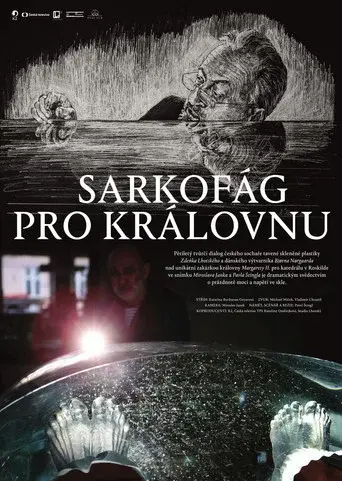
Bjørn Nørgaard and a team of Czech glass artists in the demanding process of creating a grave monument for Queen Margrethe and Prince Henrik of Denmark.
Sarcophagus for a Queen

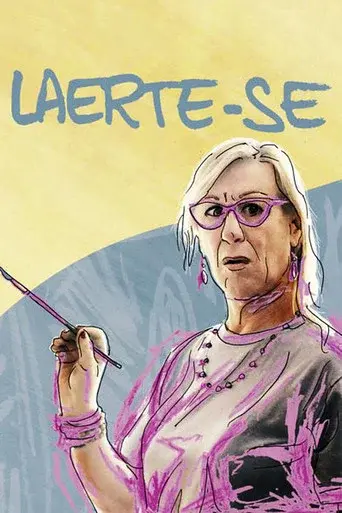
In this film, Laerte conjugates the body in the feminine, and scrutinizes concepts and prejudices. Not in search of an identity, but in search of un-identities. Laerte creates and sends creatures to face reality in the fictional world of comic strips as a vanguard of the self. And, on the streets, the one who becomes the fiction of a real character. Laerte, of all the bodies, and of none, complicates all binaries. In following Laerte, this documentary chooses to clothe the nudity beyond the skin we inhabit.
Laerte-se
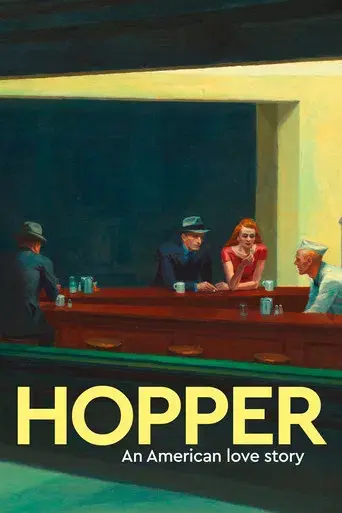
Follows the young people of Selma, Alabama's RATCo (Random Acts of Theatre Company) as they journey to New York City to share their story of hope, resilience, and overcoming.
I Will Dance
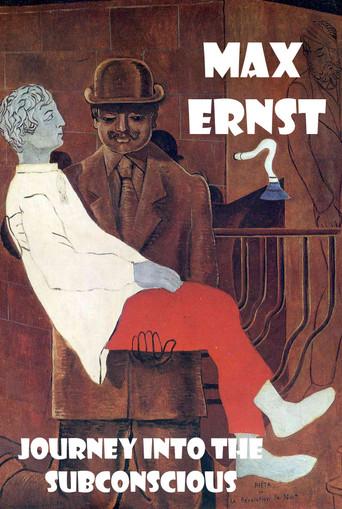

Bacata is the first name of Bogotá: the lady of the Andes, the mountain that lights up. It's also the name of a tower, the tallest in Colombia, never completed. From the 28th floor, Laura observes the city, its secrets and its struggles. From the 28th floor of Colombia’s tallest building—a long-awaited, still-unfinished tower block in the centre of Bogota—Laura observes the city below, its secrets and its struggles, as a colourful cast of gardeners, activists, and human statues go about their daily lives in the shadow of the country’s history.
Bacata
An auteur-director who wishes to make a documentary about Armenia imagines a fictitious character that has the ability to travel through bodies. The latter will alternatively embody: a young farmer that dreams to flee from the countryside to more urban spheres, a prostitute who is a survivor of rape, a narcissistic client, a fallen artist and finally, a resisting deserter.
axiom
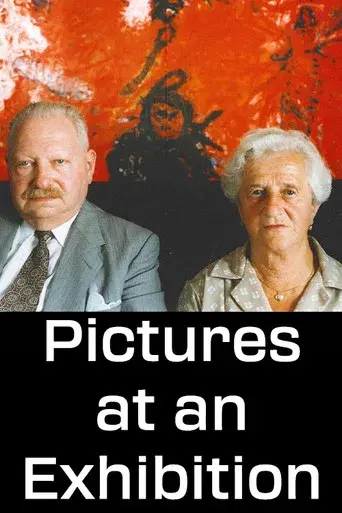
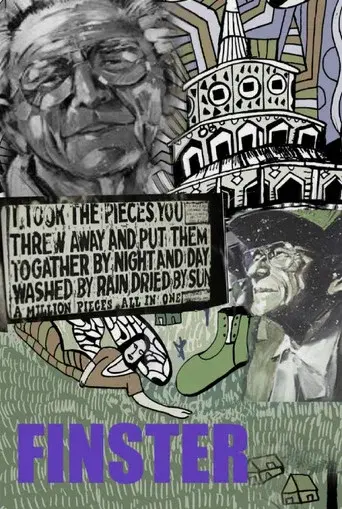
Howard Finster, the grandfather of the Southern Folk Art movement was a pioneer that showed the world that Art can thrive outside of museums and galleries in ordinary places and in everyday objects. He took what others might deem trash or obsolete and turned it into something contemplative. He opened Paradise Garden for the world to enjoy, a true testament that Art comes to life, when people are able to interact with it. Howard Finster showed the world that objects surrounding us can take on a new life, in a sometimes-magical way, and communicate messages that can lead to transformation.
Finster
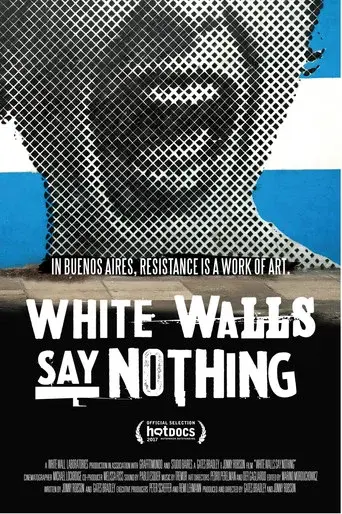
Buenos Aires is a complex, chaotic city. It has European style and a Latin American heart. It has oscillated between dictatorship and democracy for over a century, and its citizens have faced brutal oppression and economic disaster. Throughout all this, successive generations of activists and artists have taken to the streets of this city to express themselves through art. This has given the walls a powerful and symbolic role: they have become the city’s voice. This tradition of expression in public space, of art and activism interweaving, has made the streets of Buenos Aires into a riot of colour and communication, giving the world a lesson in how to make resistance beautiful.
White Walls Say Nothing

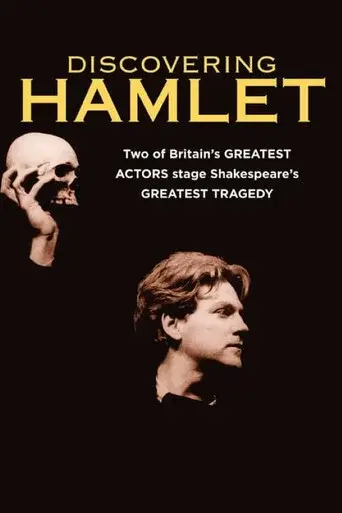
IN 1988, rising star Kenneth Branagh tackled the role of Shakespeare’s prince of Denmark for the first time in his professional career under the guidance of celebrated actor Derek Jacobi. Narrated by Patrick Stewart, this hour-long film documents how Kenneth Branagh and Derek Jacobi, two intelligent and passionate men, found new depths in Shakespeare’s classic drama, Hamlet. Filmmakers Mark Olshaker and Larry Klein follow the company through four weeks of rehearsals, from the first read-throughs to opening night.
Discovering Hamlet
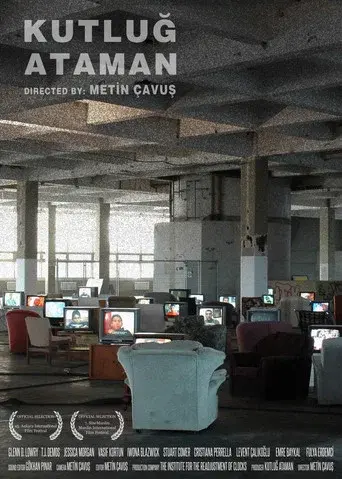
This film documents Kutlug Ataman's artistic production in a retrospective approach and elucidates his works with his own words and with commentaries by curators, art institution directors, art historians and critics who are familiar with his production through close collaboration, to witness the construction of an impressive artistic production spanning 15 years. The film also includes the excerpts from the artworks and the installation footages of their realization.