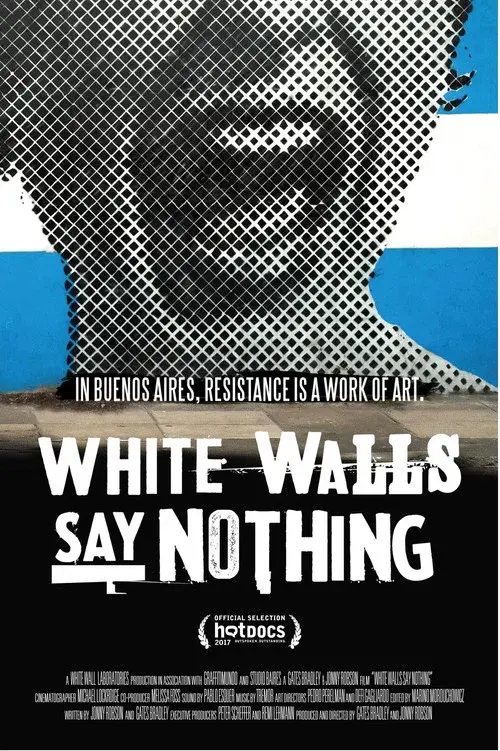
White Walls Say Nothing
Overview
Buenos Aires is a complex, chaotic city. It has European style and a Latin American heart. It has oscillated between dictatorship and democracy for over a century, and its citizens have faced brutal oppression and economic disaster. Throughout all this, successive generations of activists and artists have taken to the streets of this city to express themselves through art. This has given the walls a powerful and symbolic role: they have become the city’s voice. This tradition of expression in public space, of art and activism interweaving, has made the streets of Buenos Aires into a riot of colour and communication, giving the world a lesson in how to make resistance beautiful.
Top Cast

Franco Fasoli
Ever
Christian Riffel
Martin Omar Privitera
Nerf
Pum Pum
Tester
Fede Minuchin
Dario Suarez
NN
GG
Cabaio
Key Film Crew
Production Stats
You May Also Like



This educational film illustrates various textures as students create different kinds of textured art by using ordinary objects and materials.
Creating With Textures


The story of Melbourne's street art scene back in 2008. Starring the main characters of this artsy underworld, this short movie tries to understand the struggle of the artists, confronted to the illegality of their activity, but also to the growing demand of the public.
Melbourne Ink

Autobiographical documentary that brings the theme of parental alienation through the affectionate gaze of a Brazilian grandmother abruptly removed from her Argentine granddaughter after her son's marital separation. In the search for contact with the girl, a grandfather is faced with legal barriers, negative attorneys and several possible fr. During this tortuous journey, she meets people in a similar situation and is part of a worldwide solidarity network.
Tranças

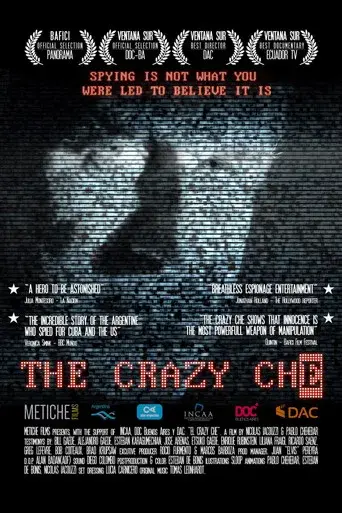
The incredible story of Bill Gaede, an Argentinian engineer, programmer… and Cold War spy.
The Crazy Che

The film showcases the voices of past and present Hougang residents, alongside commentary by historians, public intellectuals, politicians, and volunteers. Charting Hougang’s history from the mid-eighteenth century, the film features personal recollections of growing up in Hougang, residents’ sentiments towards state-led redevelopment and relocation, and the political journey of the community in the context of the Workers’ Party having won the Hougang Parliamentary seat a little over 30 years ago.