

Po boku mužů
Overview
No overview summary available for this movie.
Key Film Crew
Production Stats
You May Also Like


The viewpoints of women from a country that no longer exists preserved on low-band U-matic tape. GDR-FRG. Courageous, self-confident and emancipated: female industry workers talk about gaining autonomy.
Pride & Attitude

Departing from peripheral details of some paintings of the Bilbao Fine Arts Museum, a female narrator unravels several stories related to the economic, social and psychological conditions of past and current artists.
Exergo


Women from Turkey and Mecklenburg are working together side-by-side at a fish-processing factory in Lübeck. As they work, they share stories about their lives, including their sorrows, griefs, hopes, and dreams, while expressing their longing for home and feelings of being lost in a foreign place.
Money for Bread


A school teacher never just teaches. A step back in time of the life of a school teacher in a small city in the North of France and her experience of the profession.
Everyday

Through experimentation, direct observational filmmaking, and performative play, filmmaker Amy Reid rides and films with women truckers who have fled domestic violence, the stigmas of being formerly incarcerated, and mental health issues. The three subjects -- Sandi, Lori, and Tracy -- each share how they started trucking and what keeps them trucking.
Long Haulers
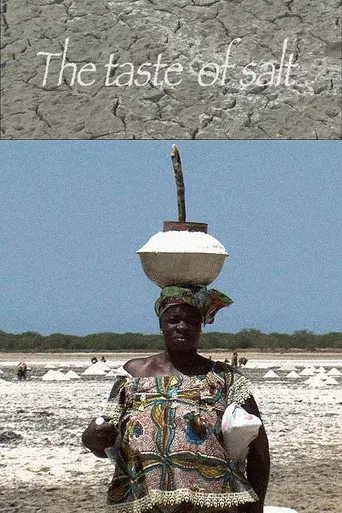
At Ngay Ngay, a village in northern Senegal, there are real natural evaporative basins in which depending on the year large or small quantities of sea salt dry out. Located 15 kilometres from Saint-Louis, the village is living around a complex community organisation: men divide the salt fields into plots, and women are those who harvest. In the end, the men receive a share of the crop, while women are those who took great pains over the harvesting.
The Taste of Salt
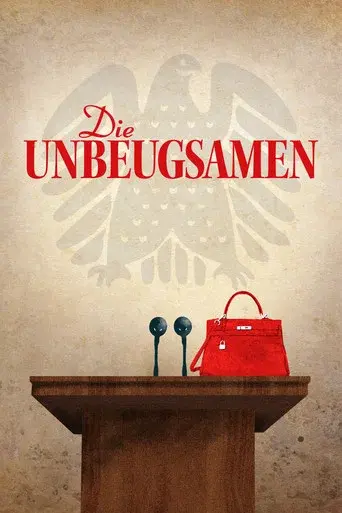
For a long time, the Bonn Republic was a smoke-filled place with heavy leather armchairs occupied by old men. Women were largely excluded from the “men’s sport” of politics. In *THE UNYIELDING*, the leading female politicians of that era now recount how they fought for a voice and power in the face of all opposition—throughout, and indeed especially during, the major crises and debates of the Bonn Republic. “Women, if we do nothing today, we will live tomorrow as we did the day before yesterday.” Annemirl Bauer, 1988
The Indomitable

DRIVER is a soulful exploration of resolute female long-haul truck drivers pursuing validation for their hard-earned work as they navigate the oppressive forces in their industry. Employing an intimate lens, Nesa Azimi’s first feature brings the audience into a community of solidarity and self-determination.
DRIVER


Two men are in dialogue with each other. It's implied dialogue, an attempt to give structure to what lies beneath the surface, yet always brewing and active. Of course, there are women all around.
The Last Laugh
Ayşe Polat grows up in Hafenstraße in Hamburg in the 1980s. The 15-year-old is surrounded by crime and is quickly pigeonholed by outsiders because of her living situation. However, the criminal environment doesn't say much about the person.
Dein Land ist mein Land


The documentary by Mari Soppela focuses on glass ceilings, a metaphor for the invisible borders between men and women in work life. Talk about glass ceilings is usually associated with women’s opportunities to advance to well paid managerial positions, but the documentary connects itself more broadly to the structural problems of work life from women’s perspective. Glass ceilings are long trials about equal pay, having to continually prove one’s skills, and 85-cent euros. The topic cannot be handled without intersectional crossings: what are invisible glass ceilings for some, are solid concrete for others.


