Women, Maasai and rangers - The lionesses of Kenya
Original Title: “Femmes, Massaïs et Rangers - Les lionnes du Kenya”
Overview
Leah and Purity are rangers in the Kenyan bushland. They roam around Amboseli National Park every day to track down wildlife. The Maasai shepherds also have their villages here. Conflicts can hardly be avoided. The young women are often called to missions to mediate or comfort. The two Maasai women themselves have to fight against discrimination
Key Film Crew
Production Stats
You May Also Like


Home movie collection of the Bohulano Family of Stockton, CA. Footage dates between the 1950s-1970s.
The Bohulano Family

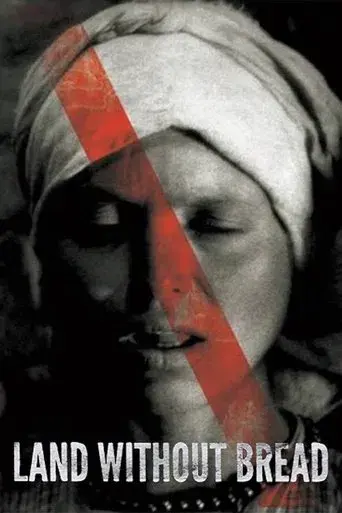
An exploration —manipulated and staged— of life in Las Hurdes, in the province of Cáceres, in Extremadura, Spain, as it was in 1932. Insalubrity, misery and lack of opportunities provoke the emigration of young people and the solitude of those who remain in the desolation of one of the poorest and least developed Spanish regions at that time.
Land Without Bread

Samba, Popping, and Jazz. Through these dance styles and documentary interviews, Bodies That Tell Stories seeks to discuss the standardization and whitening of dances that had their roots in Black people.
Corpos que Contam
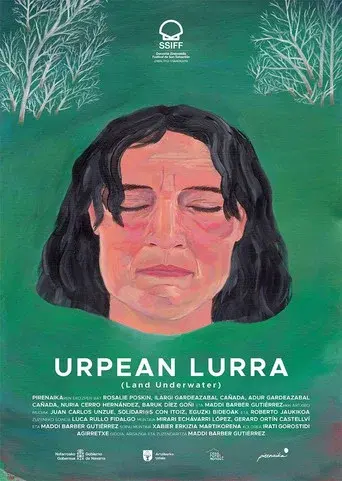
Almost two decades ago, the Itoiz dam flooded seven villages and three natural reserves on the Pyrenean hillside in Navarra. The ecologist group Solidari@s con Itoiz registered the fight against its construction. Today, those who were there dream of the land lying beneath the water on video. Their voices and gestures come together to tell the tale of an individual and collective mourning still suffered today.
Land Underwater

The Executive Empress explores the entrepreneurial lives of several Florida women, who have turned their unique passions into successful businesses.
The Executive Empress

A Day in TOKYO in 1968, Nostalgic bygone era. Planned by Japan National Tourism Organization. Produced by Koga Production. This film was produced to explain Tokyo for foreign tourists.
A Day in Tokyo


A summary of the Dominican Republic's undefeated championship run in the 2013 World Baseball Classic.
Plátano Champion



In 1937, tens of thousands of Haitians and Dominicans of Haitian descent were exterminated by the Dominican army, on the basis of anti-black racism. Fast-forward to 2013, the Dominican Republic's Supreme Court stripped the citizenship of anyone with Haitian parents, retroactive to 1929, rendering more than 200,000 people stateless. Elena, the young protagonist of the film, and her family stand to lose their legal residency in the Dominican Republic if they don't manage to get their documents in time. Negotiating a mountain of opaque bureaucratic processes and a racist, hostile society around, Elena becomes the face of the struggle to remain in a country built on the labor of her father and forefathers.
Elena

Since September 2022, "Les Rencontres du Papotin" has garnered significant attention, shining a spotlight on the work undertaken by its unique team of journalists—who have autism spectrum disorders—following more than 30 years with the publication *Le Papotin*. From editorial meetings to behind-the-scenes footage, this film offers a close-up look at the daily lives of this extraordinary editorial team. Featuring previously unseen archival footage, the documentary chronicles the initial encounters between the journalists and various prominent figures.
Au cœur du Papotin

Vito is a sweet little boy with Down syndrome, and this short documentary puts his energetic, jolly personality on full display as he interacts with his loving family. By showing Vito’s dignity and inherent value, Vito-Man tackles the difficult conversation that is the eradication of people with Down syndrome, proving that an extra chromosome should not be a death sentence.
Vito-Man
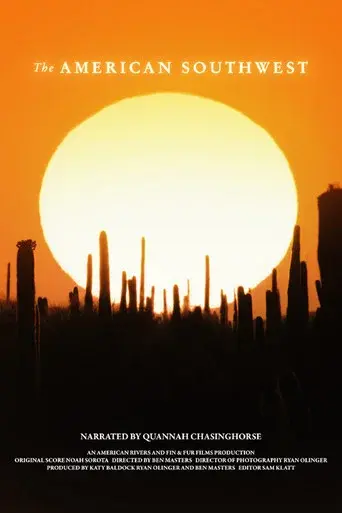
The American Southwest is a feature length blue chip natural history film narrated by indigenous environmentalist Quannah Chasinghorse. The movie journeys down the mighty Colorado River, examining the astonishing beauty and biodiversity of the region, while confronting the environmental destruction from dams and the perilous fate of the river. The story is told through never-before-seen wildlife sequences such as beavers building wetlands, condors recovering from the brink, and the potential return of Jaguars to American soil. The film beautifully advocates for better management of the river and increased wildlife conservation efforts in the iconic landscapes of The American Southwest.
The American Southwest


Made on the occasion of March 8, it presents a series of brief portraits of women, from various professional fields, of different ages and even of different ethnicities, pointing out the benefits that the communist organization had brought to their daily lives. A special emphasis is placed on their status as mothers and on the role of nurseries and socialist kindergartens not only in making their lives easier, but also in giving them the time they need to build a career. Another concern of the filmmaker, starting from the concrete case of one of the protagonists, is to highlight the differences between the happy present and the not-too-distant past in which someone with her social status should have dedicated herself exclusively to raising children, in hygienic and extremely difficult lives.