

Dein Land ist mein Land
Overview
Ayşe Polat grows up in Hafenstraße in Hamburg in the 1980s. The 15-year-old is surrounded by crime and is quickly pigeonholed by outsiders because of her living situation. However, the criminal environment doesn't say much about the person.
Top Cast

Ayşe Polat
Self
Anne Herrmann
Self
Monique Niebur
Self
Kemal Polat
Self
Key Film Crew
Production Stats
You May Also Like
Hamburg, summer 1945: The young English control officer Captain Hannes Hacker arrives in the Hanseatic city to initiate the establishment of a new, liberal German radio station - in the Funkhaus on Rothenbaumchaussee. But Hacker also has private ties to Hamburg. He was born here and lived here until he had to leave his hometown on a Jewish Kindertransport.
Rothenbaumchaussee

The viewpoints of women from a country that no longer exists preserved on low-band U-matic tape. GDR-FRG. Courageous, self-confident and emancipated: female industry workers talk about gaining autonomy.
Pride & Attitude

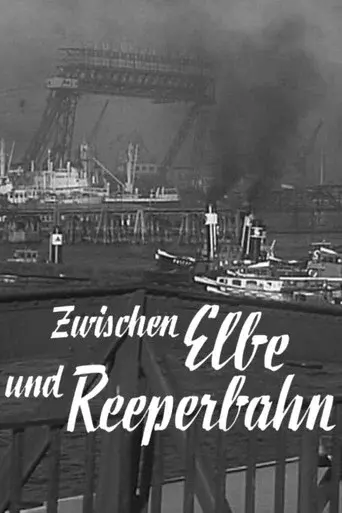
An insight into the economic life and beauty of the city of Hamburg.
Zwischenstation Hamburg




What was cinema in the past? What is cinema today? Hamburg filmmaker Dennis Albrecht asked himself these questions as he sifted through material he had been collecting since a project idea in 2008. Since then, he has repeatedly taken cameras into cinemas that no longer exist. He shot commercials, short films or events at the Grindel-Kino, Streit's, Rialto and Savoy and many other Hamburg movie theaters. In these personal perspectives, we see many cultural places that have disappeared.
Kinokinokino


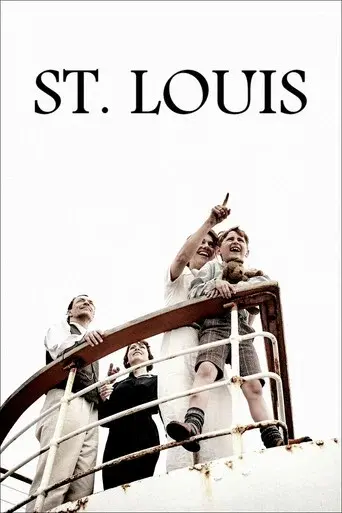
Hamburg, Germany, 1939. Getting a passage aboard the passenger liner St. Louis seems to be the last hope of salvation for more than nine hundred German Jews who, desperate to escape the atrocious persecution to which they are subjected by the Nazi regime, intend to emigrate to Cuba.
St. Louis


For a long time, the Bonn Republic was a smoke-filled place with heavy leather armchairs occupied by old men. Women were largely excluded from the “men’s sport” of politics. In *THE UNYIELDING*, the leading female politicians of that era now recount how they fought for a voice and power in the face of all opposition—throughout, and indeed especially during, the major crises and debates of the Bonn Republic. “Women, if we do nothing today, we will live tomorrow as we did the day before yesterday.” Annemirl Bauer, 1988