
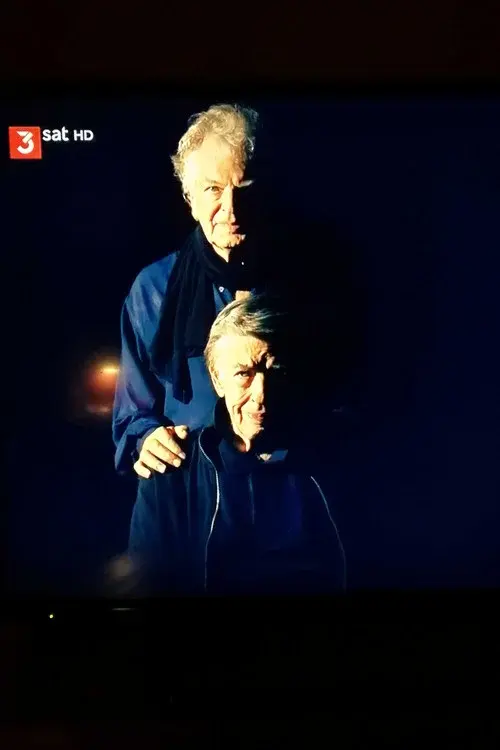
Brüder Kühn: Zwei Musiker spielen sich frei
Overview
No overview summary available for this movie.
Top Cast

Rolf Kühn
as himself
Joachim Kühn
as himself
Key Film Crew
Production Stats
You May Also Like
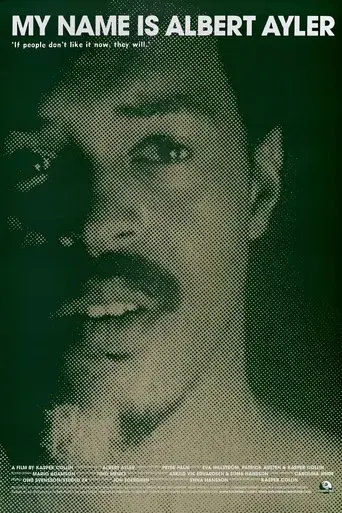
The prophetic jazz saxophonist Albert Ayler, who today is seen as one of the most important innovators in jazz, was obsessed with his radical music and by the thought that people one day would understand it. In 1962 he recorded his first album in Sweden. Eight years later he was found dead in New York's East River, aged 34. (TCM)
My Name Is Albert Ayler
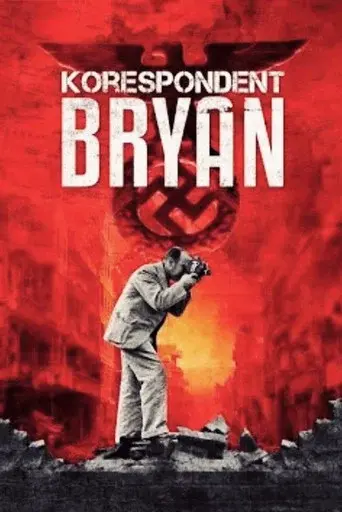
The film is based solely on footage shot in Warsaw in 1939 by Julien Hequembourg Bryan. This American filmmaker and photographer documented life in Poland, the Soviet Union and Nazi Germany between 1935 and 1939. Following the outbreak of the Second World War, he arrived in Warsaw, where he shot a number of films documenting the city under siege, and is said to be the only foreign correspondent in the Polish capital at the time. Bryan also took the first colour photographs of wartime Warsaw.
Korespondent Bryan

Set in 1947, Knights of Swing is a feature film that chronicles a group of young jazz musicians whose dream is to form a “really swingin’ Big Band”. Unfortunately, things prove much more complicated when the community objects to the diversity of the band. Alliances form, and lines are drawn. What follows is soul searching, uplifting, and through music, our story illuminates forgiveness, healing and unconditional love.
Knights of Swing

On March 24, 1944, in the heart of Nazi Germany, 76 British, Canadian, Norwegian and French pilots who were held in Stalag Luft III, a prison camp of the Luftwaffe, escaped. Unique testimony from the last survivors, recreations and today’s digital images sheds new light on the audacious escape.
The Great Escape
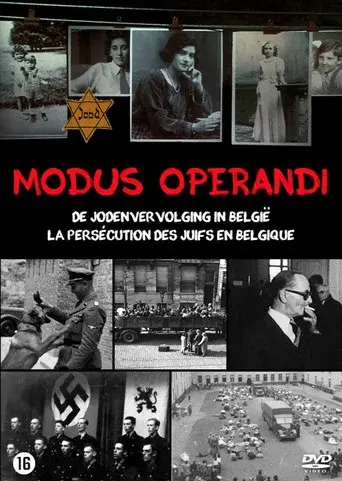
Between 1942 and 1944 some 24,916 Jews were deported from Belgium to Auschwitz. The roundups and deportations were organized and carried out by the Nazis with the - not always conscious - cooperation of Belgian authorities. The attitude of the authorities here varied from outright resistance to voluntary or unwitting collaboration.
Modus Operandi

Everyone mentions her when asked who the 1st generation of jazz musicians is in Korea, adding that jazz wouldn't have been continued in Korea if not for her. It's Park Seong-yeon, the musician who ran Korea's first jazz club - Club Janus - and she provided it for other musicians to perform. Diva Janus follows the late Park's footsteps through her past and interviews by her peer musicians.
Diva Janus


On June 10, 1944, the SS murdered nearly the entire population of the French village of Oradour. The ruins still stand, the population is buried in the cemetery. Only one person has ever been convicted of this crime: the former SS-Obersturmführer Heinz Barth.
Die Bewältigung: Oradour

When World War II broke out, John Ford, in his forties, commissioned in the Naval Reserve, was put in charge of the Field Photographic Unit by Bill Donavan, director of the soon-to-be-OSS. During the war, Field Photo made at least 87 documentaries, many with Ford's signature attention to heroism and loss, and many from the point of view of the fighting soldier and sailor. Talking heads discuss Ford's life and personality, the ways that the war gave him fulfillment, and the ways that his war films embodied the same values and conflicts that his Hollywood films did. Among the films profiled are "Battle of Midway," "Torpedo Squadron," "Sexual Hygiene," and "December 7."
John Ford Goes to War


The Polish city of Łódź was under Nazi occupation for nearly the entirety of WWII. The segregation of the Jewish population into the ghetto, and the subsequent horrors are vividly chronicled via newsreels and photographs. The narration is taken almost entirely from journals and diaries of those who lived–and died–through the course of the occupation, with the number of different narrators diminishing as the film progresses, symbolic of the death of each narrator.
Łódź Ghetto
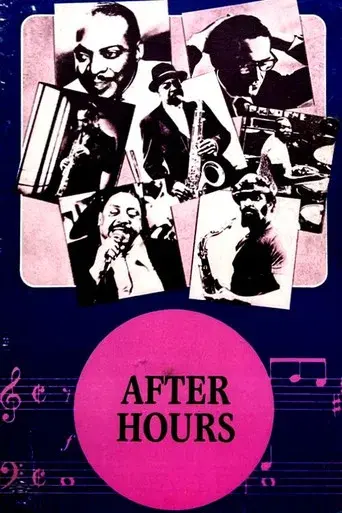
Documentary short showcasing the genius of jazz greats Coleman Hawkins, Roy Eldridge, Cozy Cole, and Milt Hinton, among others.
After Hours
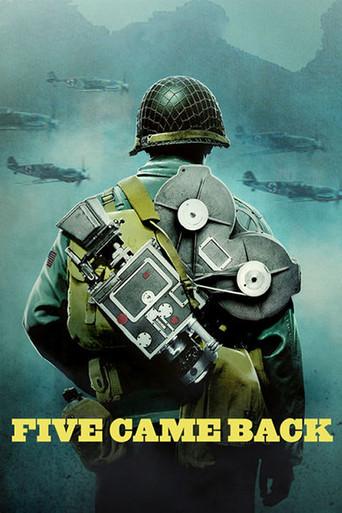
The extraordinary story of how Hollywood changed World War II – and how World War II changed Hollywood, through the interwoven experiences of five legendary filmmakers who went to war to serve their country and bring the truth to the American people: John Ford, William Wyler, John Huston, Frank Capra, and George Stevens. Based on Mark Harris’ best-selling book, “Five Came Back: A Story of Hollywood and the Second World War.”
Five Came Back

The Spanish journalist Manuel Chaves Nogales (1897-1944) was always there where the news broke out: in the fratricidal Spain of 1936, in Bolshevik Russia, in Fascist Italy, in Nazi Germany, in occupied Paris or in the bombed London of World War II; because his job was to walk, see and tell stories, and thus fight against tyrants, at a time when it was necessary to take sides in order not to be left alone; but he, a man of integrity to the bitter end, never did so.