

Overview
On March 24, 1944, in the heart of Nazi Germany, 76 British, Canadian, Norwegian and French pilots who were held in Stalag Luft III, a prison camp of the Luftwaffe, escaped. Unique testimony from the last survivors, recreations and today’s digital images sheds new light on the audacious escape.
Top Cast

Thierry Debrune
Narrator (voice)
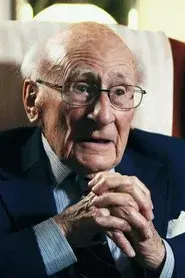
Jack Lyon
Himself - Stalag Luft III Prisoner

Charles Clarke
Himself - Stalag Luft III Prisoner
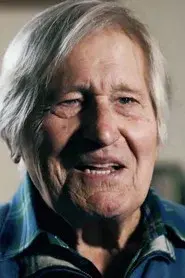
David Fraser
Himself - Stalag Luft III Prisoner

Howard Tuck
Himself - Historian

Guy Walters
Himself - Historian
Simon Pearson
Himself - Biographer
Colin Kirby-Green
Himself - Captain T. Kirby-Green's Son
Key Film Crew
Production Stats
You May Also Like




As World War II rages, the elite Sixth Ranger Battalion is given a mission of heroic proportions: push 30 miles behind enemy lines and liberate over 500 American prisoners of war.
The Great Raid
In WWII Western Germany, Private David Manning reluctantly leaves behind a mortally wounded fellow soldier and searches for survivors from his platoon, only to learn from commanding officer Captain Pritchett that they have all been killed in action. Despite requesting a discharge on the grounds of mental disability, Manning is promoted to sergeant and assigned to lead a new platoon of young inductees.
When Trumpets Fade
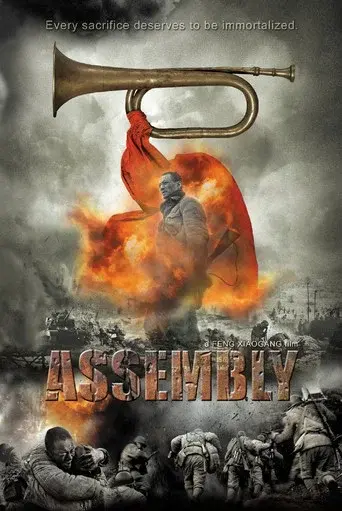
Follows a soldier trying to gain recognition for comrades who died in 1948, at a turning point in the civil war between the communists and the nationalist forces of the Kuomintang.
Assembly
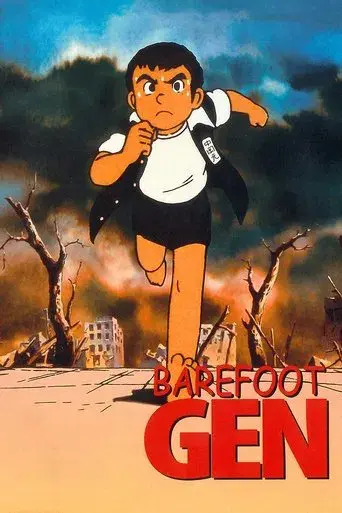
A story about the effect of the atomic bombing of Hiroshima on a boy's life and the lives of the Japanese people.
Barefoot Gen
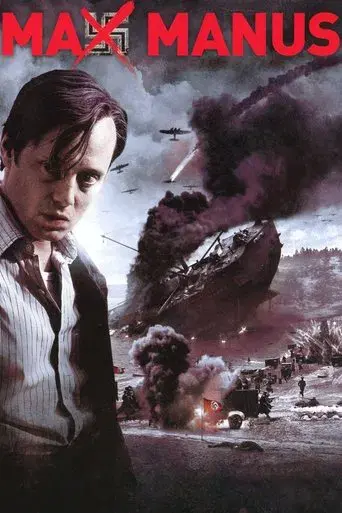
Max Manus is a Norwegian 2008 biographic war film based on the real events of the life of resistance fighter Max Manus (1914–96), after his contribution in the Winter War against the Soviet Union. The story follows Manus through the outbreak of World War II in Norway until peacetime in 1945.
Max Manus: Man of War

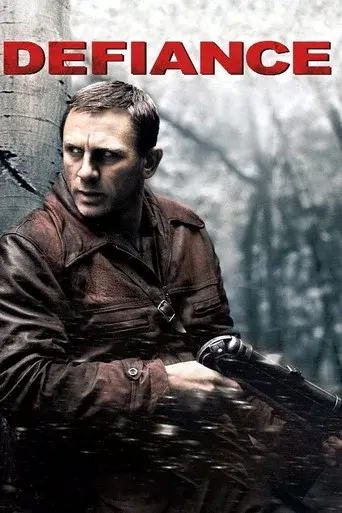
Based on a true story, during World War II, four Jewish brothers escape their Nazi-occupied homeland of West Belarus in Poland and join the Soviet partisans to combat the Nazis. The brothers begin the rescue of roughly 1,200 Jews still trapped in the ghettos of Poland.
Defiance

"Letters from Europe" brings to light the words of men and women who gave their lives resisting the Nazi and fascist conquest from 1939 to '45 across the European continent. The moving goodbyes penned by a few of those sentenced to death are sometimes true spiritual testaments that explore the meaning of civic responsibility, human existence, fraternity, and life and death. Their words, which the film mingles with footage of the present day, can perhaps restore meaning to a humanist ideal and to the ever-changing idea of a united Europe.
Letters from Europe

In 1945, Allied troops invaded Germany and liberated Nazi death camps. They found unspeakable horrors which still haunt the world’s conscience. A film was made by British and American film crews who were with the troops liberating the camps. It was directed in part by Alfred Hitchcock and was broadcast for the first time in its entirety on PBS FRONTLINE in 1985.
Memory of the Camps

Joe Enders is a gung-ho Marine assigned to protect a "windtalker" - one of several Navajo Indians who were used to relay messages during World War II because their spoken language was indecipherable to Japanese code breakers.
Windtalkers

Alice and Horst paints a moving portrait of two siblings from Saarbrücken whose lives were shaped by their family’s antifascist resistance. As children, Alice Hornung and Horst Bernard were forced to flee from the Nazis into exile in France, where, despite constant danger, they also experienced great solidarity. After their return they continued their parents’ political commitment: against fascism, for peace and disarmament. The film combines personal memories with rare archival footage and portrays two individuals who, well into old age, remain unwavering in their commitment to justice and remembrance.
Alice and Horst

1941 and the war culminates. The wife of a lieutenant and a sergeant fall madly in love. Times and circumstances -military service, marriage, friendship between the two men- forbid this love, but do not negate it. When the lieutenant is injured and taken to hospital, the two lovers, against all odds, dare the only possible way out: he defects, she leaves her husband, and they begin a journey without return towards the border.
Excursion
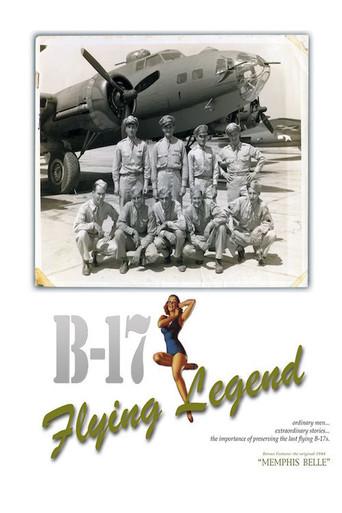
B-17 Flying Legend examines the importance of World War II's most famous airplane, and raises awareness about the importance of keeping the remaining B-17s flying for generations to come. This documentary covers the history of the airplane, from early designs to the outbreak of war, and the stories of bravery behind the faces of the men who flew them. It contrasts the past by also focusing on today's struggles to keep these flying museums in operation. Unless awareness is created to help with this preservation, in the near future B-17s will only be found in static displays. Almost 13,000 B-17s were built during the war. Sixty years later only 13 still fly. It is important to capture the history of the men behind these flying machines while they are still alive. It is also important to capture images of these machines while they still exist.