
Mauss, Segundo Suas Alunas
Overview
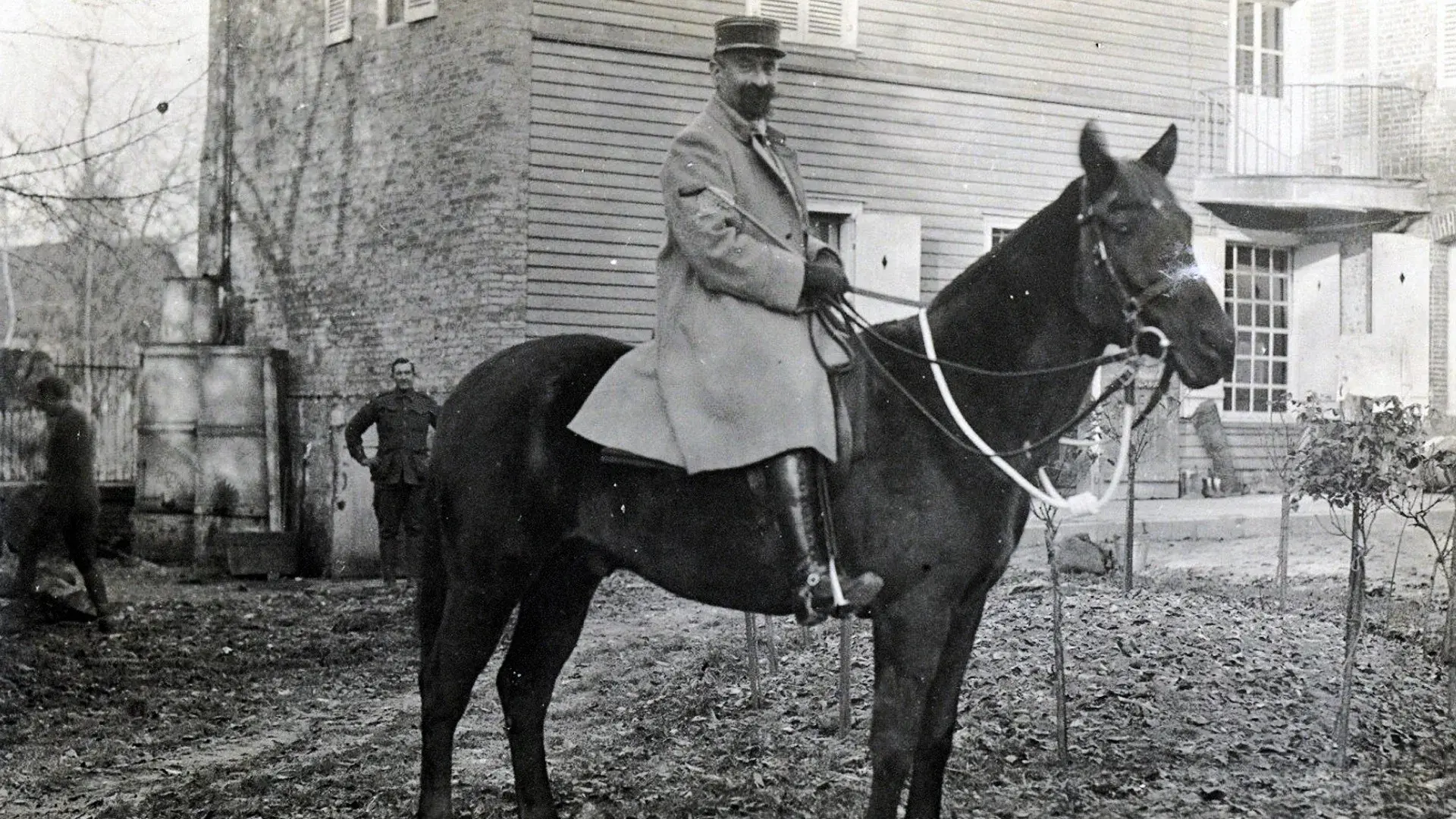
Biography of the ideas and teachings of Marcel Mauss, considered the founder of Anthropology who lived and wrote in the first half of the 20th century, in France. His work is discussed through the testimony of three students, carried out in Paris between 1997 and 1999. Denise Paulme died 4 months after the interview, Germaine Diertelen died 9 months later and Germaine Tillion, aged 95 in 2002, still works. The three were part of the first generation of French anthropologists, formed in the 1930s.
Top Cast

Germaine Tillion
Self

Denise Paulme
Self
Germaine Dieterlain
Self
Key Film Crew
Production Stats
You May Also Like

La Garoupe, a beach in Antibes, in 1937. For one summer, the painter and photographer Man Ray films his friends Pablo Picasso, Dora Maar, Paul Eluard and his wife Nusch, as well as Lee Miller. During these few weeks, love, friendship, poetry, photography and painting are still mixed in the carefree and the creativity specific to the artistic movements of the interwar period.
Un été à la Garoupe








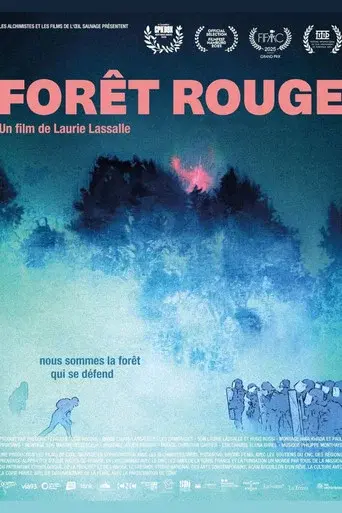
A poetic David and Goliath tale, where David is an eco-activist with shields, helmets and Molotov cocktails in the backpack. Director Laurie Lassalle documents the spirit and atmosphere with loyalty and an extraordinarily confident cinematic vision.
Red Forest



This film is a portrait of unique cultural space for Spirits, Gods and People. While permanent theatres are commonly built in most cosmopolitan modern cities, Hong Kong preserves a unique theatrical architecture, a Chinese tradition that has lasted more than a century - Bamboo Theatre.
Bamboo Theatre


"Heart of the Country" is the story of Shinichi Yasutomo, the extraordinary principal of a rural elementary school in Kanayama, central Hokkaido, Northern Japan. Yasutomo is a man driven by his vision for learning and his passion for educating the heart as well as the mind. The film follows Yasutomo, his teachers and staff, students and their families over the course of one entire school year. The film is also the story of the families of Kanayama. Parents and elders of this once impoverished town embrace Yasutomo's vision, but not without wary glances back to the past. This small community, bound together by love for its children, is also defined by its journey through the cultural upheavals of postwar Japan.