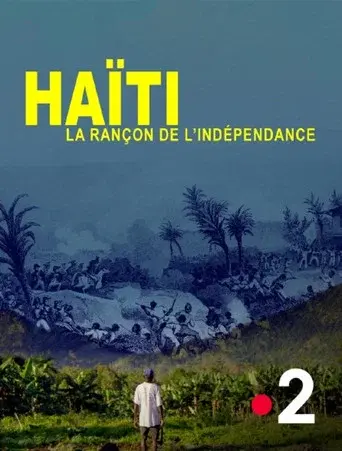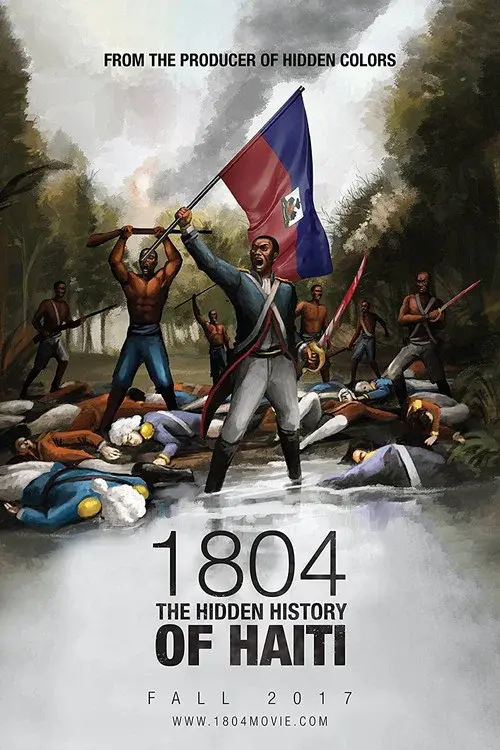
1804: The Hidden History of Haiti
Overview
1804 is a feature length documentary film about the untold history of the Haitian revolution
Top Cast

Wyclef Jean
Himself

Bayyinah Bello
Herself
Tariq Nasheed
Himself
Èzili Dantò
Herself
Kaba Kamene
Himself
James Small
Himself
Wade Nobles
Himself
Wade Nobles
Himself
Soufiane El Khalidy
French General
Akala
Himself
Scotty Martin
Napoleon
Key Film Crew
Production Stats
You May Also Like


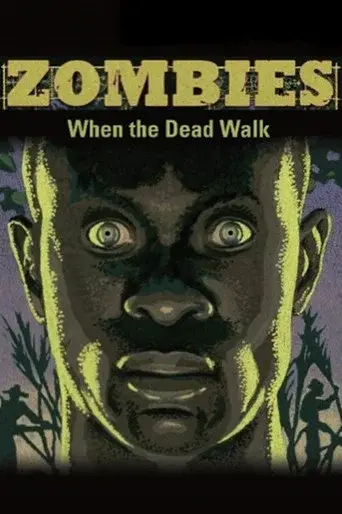

This short film from the Perspective series highlights social and economic development in Haiti circa 1957. It depicts customs and traditions used to pass along the history of a people, and offers a look into their daily lives — lives that looks very different from their experiences today.
Haiti

This black-and-white film is a loving portrait of Santiago de Cuba and its people. It provides a view of Cuba as a picturesque country, the product of an earthy mix of black and criollo cultures. The film uses historical images which portray the end of the eighteenth century when Haitian slave owners fled with their slaves to Cuba after the Haitian Revolution.
I'm Going to Santiago

Reflecting on the legacy of Haitian revolutionary Toussaint L’Ouverture, "Ouvertures" follows a collective’s process of translating Édouard Glissant’s play Monsieur Toussaint from French to Creole.
Ouvertures
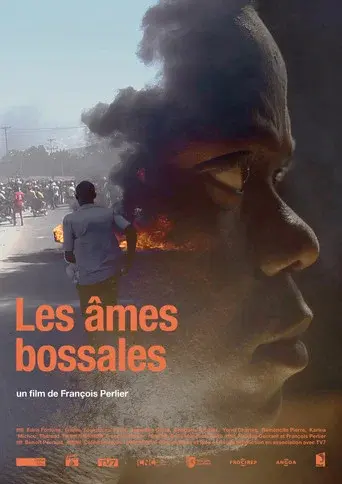
The Soul of Bossales is an immersion in the heart of popular Haitian culture whose spirituality and creativity have been forged by a surge of freedom and identity affirmation. Foukifoura, Édris, Charlotte or Ramoncite, “Bossales” characters with committed artistic and political acts, give us the gripping story of a very harsh reality: material and health precariousness, political violence, neo-colonialism.
The Soul of Bossales


Every New Year, and in celebration of their Independence, Haitian families gather together to feast in honor of a line of ancestors that fought for their freedom. The centerpiece of the festivity is the joumou soup—a traditional soup dating back centuries ago. The joumou soup is a concretization of war and victory, oppression and emancipation, and the deeply rooted celebratory traditions of the Haitian culture.
Liberty in a Soup

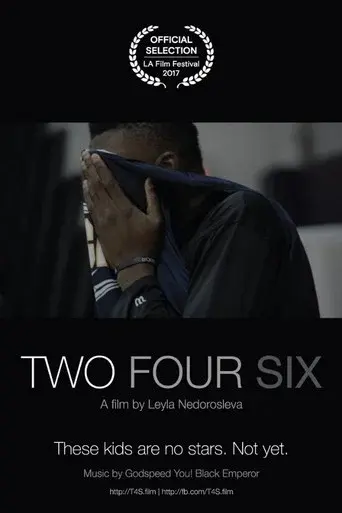
Set mainly in present day Dallas, Texas and Port-au-Prince, Haiti, this film features three main characters at three different stages of the same process. Supported by a nonprofit, these extremely tall teenagers come to the United States from Haiti using basketball as means to get an education and help their own country change.
Two Four Six
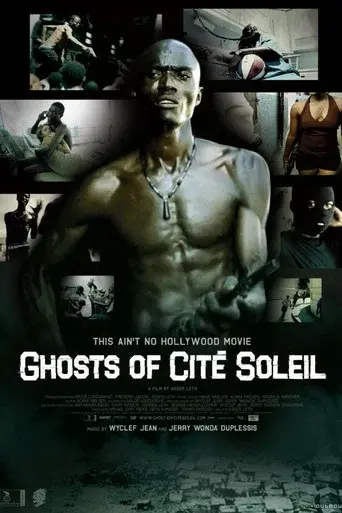
In the slum of Cité Soleil, President Aristide's most loyal supporters were ruling as kings. The five major gang leaders were controlling heavily armed young men; the Chiméres. The Secret army of President Jean-Bertrand Aristide. "Ghosts of Cité Soleil" is a film about Billy and Haitian 2pac. Two brothers. Gang Leaders of the Chiméres.
Ghosts of Cité Soleil
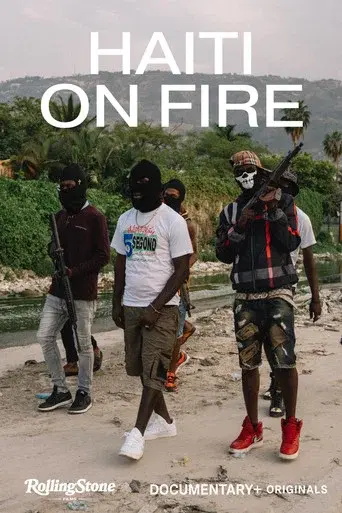
This film chronicles the turbulent gang war and the spiraling violence happening on the ground in Haiti and attempts to cut through the hype surrounding Chérizier, the former police officer-turned-gang chieftain at the center of Haiti’s of it all. It offers a sobering look at the man behind the myths.
Haiti On Fire


In 1937, tens of thousands of Haitians and Dominicans of Haitian descent were exterminated by the Dominican army, on the basis of anti-black racism. Fast-forward to 2013, the Dominican Republic's Supreme Court stripped the citizenship of anyone with Haitian parents, retroactive to 1929, rendering more than 200,000 people stateless. Elena, the young protagonist of the film, and her family stand to lose their legal residency in the Dominican Republic if they don't manage to get their documents in time. Negotiating a mountain of opaque bureaucratic processes and a racist, hostile society around, Elena becomes the face of the struggle to remain in a country built on the labor of her father and forefathers.
Elena


From the flickering screens of Hollywood horror, to the haunted cane fields of colonial Haiti, Black Zombie unearths the buried origins of the zombie, reclaiming it as a symbol of survival and spiritual resistance.
Black Zombie
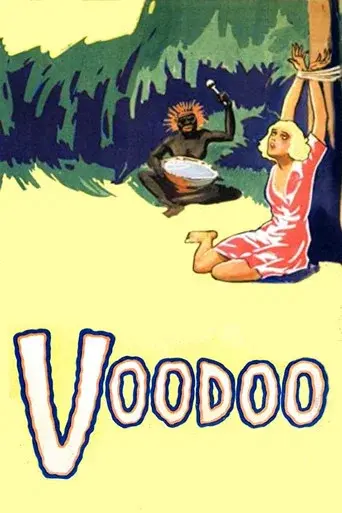
In 1925, during the occupation of Haiti, a U.S. Marine Corps sergeant was stationed in charge of the small island of La Gonave. He befriended the natives and was so popular that they named him King Faustin I and installed him as their ruler. He ruled the island for three years, then left and returned to make this documentary.