

Overview
This film shows the leaders of organizations that emerged after the Russian Revolution. It is the fragment of ‘Anniversary of the Revolution’ made by Vertov in 1918.
Top Cast

Vladimir Lenin
Self

Leon Trotsky
Self

Vladimir Bonch-Bruyevich
Self
Yakov Sverdlov
Self
Jukums Vācietis
Self

Anatoli Lunacharsky
Self
Georgi Chicherin
Self
Lev M. Karakhan
Self
Yuri Steklov
Self
Karl Radek
Self
Semen Sereda
Self
Pēteris Stučka
Self
Key Film Crew
Production Stats
You May Also Like

Michael Moore's view on how the Bush administration allegedly used the tragic events on 9/11 to push forward its agenda for unjust wars in Afghanistan and Iraq.
Fahrenheit 9/11

A documentary on Al Gore's campaign to make the issue of global warming a recognized problem worldwide.
An Inconvenient Truth

M for Malaysia documents the 2018 Malaysian General Elections when the people of Malaysia, led by a 92 year-old former Prime Minister, overthrew one of the longest ruling governments in the world. Despite endless barriers thrown at them, the tense campaign pushed on with the most surprising result in the country’s history.
M for Malaysia
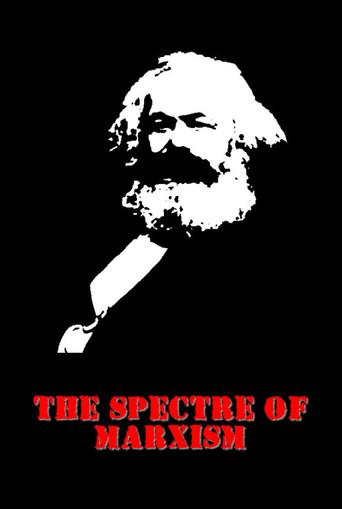
The impact of Marx on the 20th century has been all-pervasive and world-wide. This program looks at the man, at the roots of his philosophy, at the causes and explanations of his philosophical development, and at its most direct outcome: the failed Soviet Union.
The Spectre of Marxism
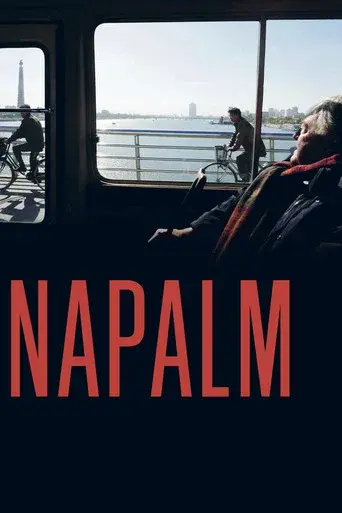
Napalm is the story of the breathtaking and brief encounter, in 1958, between a French member of the first Western European delegation officially invited to North Korea after the devastating Korean war and a nurse working for the Korean Red Cross hospital, in Pyongyang, capital of the Democratic People’s Republic of Korea.
Napalm
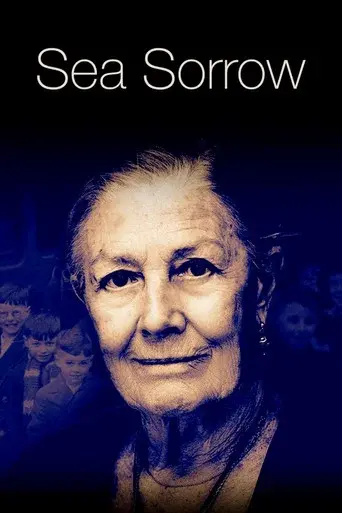
A very personal and dynamic meditation on the current global refugee crisis through the eyes and voices of campaigners, specially children, where past and present establish a dialogue. A reflection on the importance of human rights.
Sea Sorrow



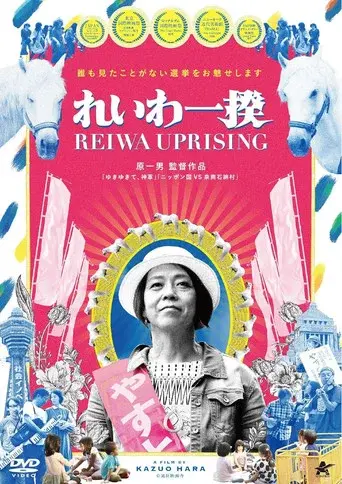
Kazuo Hara follows Ayumi Yasutomi, a transgender candidate, who is also a Tokyo University professor, as she embarks on a national campaign for a seat in Japan's Upper House.
Reiwa Uprising

"All sounds travel in waves much the same as ripples in water." Educational film produced by Bray Studios New York, which was the dominant animation studio based in the United States in the years surrounding World War I.
How the Telephone Talks
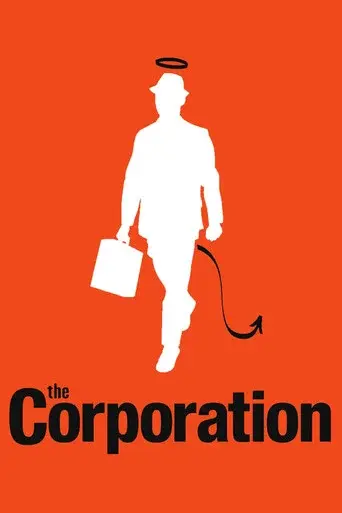
Since the late 18th century American legal decision that the business corporation organizational model is legally a person, it has become a dominant economic, political and social force around the globe. This film takes an in-depth psychological examination of the organization model through various case studies. What the study illustrates is that in the its behaviour, this type of "person" typically acts like a dangerously destructive psychopath without conscience. Furthermore, we see the profound threat this psychopath has for our world and our future, but also how the people with courage, intelligence and determination can do to stop it.
The Corporation

A chronicle of the civil uprising against the regime of Ukrainian president Viktor Yanukovych that took place in Kyiv in the winter of 2013/14. The film follows the progress of the revolution: from peaceful rallies, half a million strong in the Maidan square, to the bloody street battles between protesters and riot police.
Maidan
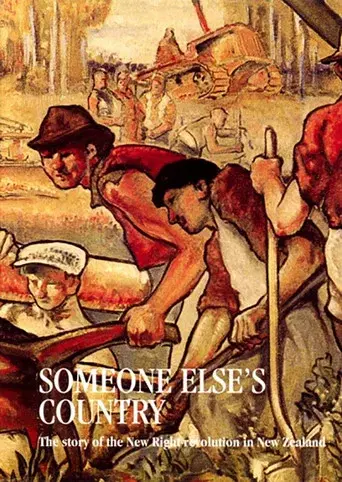
Someone Else’s Country looks critically at the radical economic changes implemented by the 1984 Labour Government - where privatisation of state assets was part of a wider agenda that sought to remake New Zealand as a model free market state. The trickle-down ‘Rogernomics’ rhetoric warned of no gain without pain, and here the theory is counterpointed by the social effects (redundant workers, Post Office closures). Made by Alister Barry in 1996 when the effects were raw, the film draws extensively on archive footage and interviews with key “witnesses to history”.
Someone Else's Country

The story of unemployment in New Zealand and In A Land of Plenty is an exploration of just that; it takes as its starting point the consensus from The Depression onwards that Godzone economic policy should focus on achieving full employment, and explores how this was radically shifted by the 1984 Labour government. Director Alister Barry's perspective is clear, as he trains a humanist lens on ‘Rogernomics' to argue for the policy's negative effects on society, as a new poverty-stricken underclass developed.
