

Boxing Match; or, Glove Contest
Overview
Staged boxing match between Sergeant-Instructor Barrett and Sergeant Pope, with a round, interval, and knockout.
Key Film Crew
Production Stats
You May Also Like
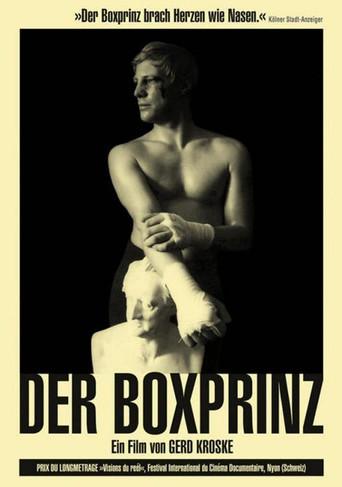
The documentary tells the life story of the boxer Norbert Grupe, who was known by his fighting name Prince of Homburg.
The Boxing Prince
If the first one stunned you, The People's Champion will floor you. This jawbusting follow-up contains the best of Manny Pacquiao's world title defense fights flashing that on-ring bravura that has made him one of the world boxing's crème de la crème. If you've been keeping count of fighters felled by the man with fists of gold, this one could blow your score sheet. Pound for pound, it's world-class sports entertainment at its finest.
The People's Champion
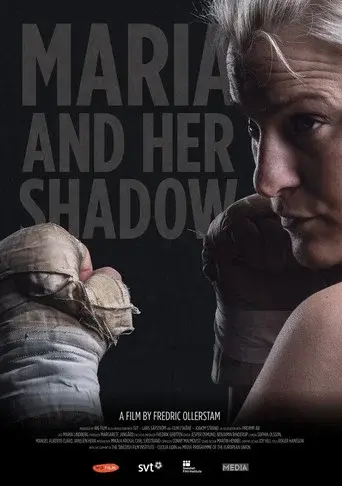
After suffering a cerebral hemorrhage during a match, a boxer fights against all odds to make her return to the ring.
Maria and Her Shadow
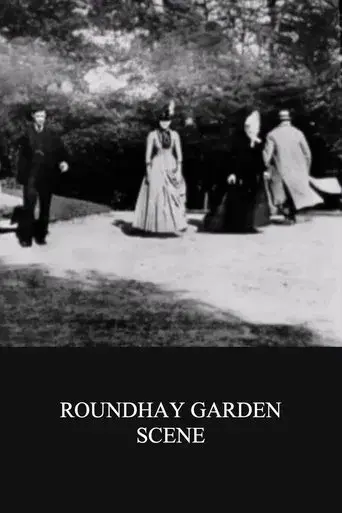
The earliest surviving motion-picture film, and believed to be one of the very first moving images ever created, was shot by Louis Aimé Augustin Le Prince using the LPCCP Type-1 MkII single-lens camera. It was taken on paper-based photographic film in the garden of Oakwood Grange, the Whitley family house in Roundhay, Leeds, West Riding of Yorkshire (UK), on 14 October 1888. The film shows Adolphe Le Prince (Le Prince’s son), Mrs. Sarah Whitley (Le Prince’s mother-in-law), Joseph Whitley, and Miss Harriet Hartley walking around in circles, laughing to themselves, and staying within the area framed by the camera. Roundhay Garden Scene is often associated with a recording speed of around 12 frames per second and runs for about 2 to 3 seconds.
Roundhay Garden Scene
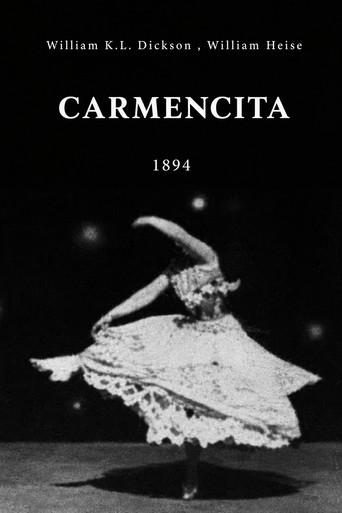
The first woman to appear in front of an Edison motion picture camera and possibly the first woman to appear in a motion picture within the United States. In the film, Carmencita is recorded going through a routine she had been performing at Koster & Bial's in New York since February 1890.
Carmencita
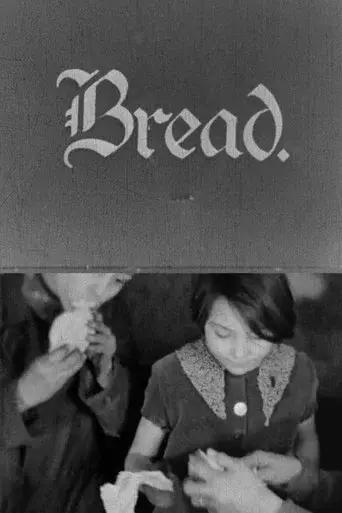
Life on the breadline in the 1930s was hard enough, but times were desperate when you fell beneath it. Hunger marches organised by the National Unemployed Workers' Movement drew attention to the cause, but this left-wing collective picked up a cine-camera. The fictional story at the heart of the film is somewhat melodramatic, but the authentic surroundings give its message realism and weight.
Bread
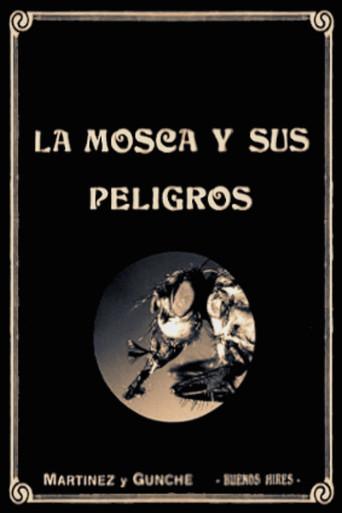
The Dangers of the Fly is an educational film made by Ernesto Gunche and Eduardo Martínez de la Pera, also responsible for Gaucho Nobility (1915), the biggest blockbuster of Argentinean silent cinema. De la Pera was a talented photographer, always willing to try new gadgets and techniques. This film experiments with microphotography in the style of Jean Comandon's films for Pathé and it is part of a series which included a film about mosquitoes and paludism and another one about cancer, which are considered lost. Flies were a popular subject of silent films and there are more than a dozen titles featuring them in the teens and early twenties.
The Dangers of the Fly
An early silent film, made before intertites became common (which is why very early silent films are narrated, at best). This was filmed in 1907 but released in 1908. It was made at the request of Teddy Roosevelt, who saw coyotes being caught in Oklahoma *by hand*, and folks back east didn't believe him. While this movie is called "The Wolf Hunt", it was actually coyotes being caught, not wolves.
Wolf Hunt

Madrid, Spain, 1949. The Circo Americano arrives in the city. While the big top is pitched in a vacant lot, the troupe parades through the grand avenues: the band, a witty impersonator, the Balodys, acrobats, jugglers, acrobatic skaters, clowns and… Buffallo Bill.
El circo
Surfing at Waikiki Beach, Hawaii, on the island of Oahu. Most surfers are human, one is a dog. The educational documentary is part of the Bruce Scenic Novelties series.
Sons of the Surf

"All sounds travel in waves much the same as ripples in water." Educational film produced by Bray Studios New York, which was the dominant animation studio based in the United States in the years surrounding World War I.
How the Telephone Talks
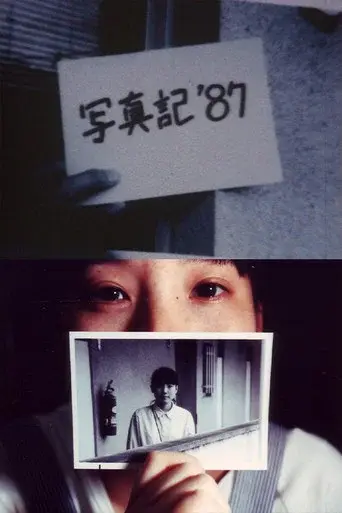
I turned my gaze to the various events in daily life and made this filmic diary in a manner as if confessing my feelings. Of course, since I was making the film, I wanted to depict these feelings and events with tricky techniques. I used various methods to shoot photographs of a relative's wedding, the landscape I see from window of my house, commemorative travel photographs and the like frame-by-frame.