No se olvida (1965-1969)
Overview
Chapter 14 of the series 18 decades of life in Mexico in the twentieth century. Images of the cultural, social and political life in Mexico from 1965 to 1969. Around the events that marked the last years of the sixties: Mexico hosts the Olympics, public universities living in crisis due to its rapid growth without adequate resources and the student movement arises. It is a time of great social differences that are opposed to the official image of prosperous and modern country.
Top Cast

Yuriria Contreras
Narrator
Juan Stack
Narrator
Key Film Crew
Production Stats
You May Also Like

The Day of the Dead is one of the most deeply rooted and celebrated traditions in our country and when this festivity takes place in a magical town, the event becomes something memorable. The Day of the Dead tradition in Huautla de Jiménez, Oaxaca begins on October 27 with the arrival of the chá to xo´o´ and the celebration lasts six days. Hand in hand with its inhabitants, we will take a tour to witness all the colors, smells, flavors, sounds, textures, and visions that surround this ancestral festival and that of the Mazatecs.
The Path of the Dead
The film portraits the stage previous to the outbreak of the Mexican Revolution, from the end of Porfirio Díaz´ government, the social volatility, the ephemeral government of Madero and the presence of the working class in the figures of Villa and Zapata, until the signing if the Constitution of 1917. All of this through moving images, filmed during those events mainly by the Alva brothers, filmmakers of that time. Those images let us perceive the contradictory and shuddered glance of the people of that period.
The History in the Gaze
A man’s journey to learn the story of his estranged father, a failed hitman killed several years ago. A man's journey to face the scattered members of his dysfunctional family and understand the life of his absent father, a failed hit man murdered years ago in a Mexican border town. While the story of the father takes shape, each family member comments on the behavioral patterns that influenced his criminal actions.
Comala
One of the rooms inside the legendary Barba Azul Cabaret has become a shelter for the girls working there: the women's bathroom. Every night La Mami, who's in charge of the bathrooms, offers them the warmth and the advice they need to take on the challenge they face in the dance hall.
La Mami

Seekers of Oblivion explores the exciting life and adventures of Isabelle Eberhardt. Born in Geneva, Switzerland in 1877, Isabelle left Europe for North Africa at a young age. While there, she consorted with tramps, prostitutes, soldiers, murderers and thieves, at times masquerading as a man in orde.
Seekers of Oblivion

An essay film exploring the thirteen United States Presidents that have led the country through war and conflict from 1950 to 2025.
Spartamerika




Peter Greenberg explores Mexico with President Felipe Calderón, one of the most dynamic leaders of Latin America, for a history-making television special. Mexico: The Royal Tour goes beyond the headlines to journey deep inside Mexico and offer viewers access to extraordinary locations, landmarks and cultural experiences. It’s a fast-paced, non-stop adventure through Mexico’s iconic spots as well as experiences that aren’t found in any guidebook, but are still accessible to travelers.
Mexico: The Royal Tour
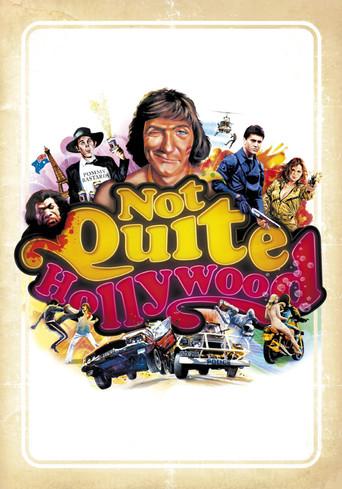
As Australian cinema broke through to international audiences in the 1970s through respected art house films like Peter Weir's "Picnic At Hanging Rock," a new underground of low-budget exploitation filmmakers were turning out considerably less highbrow fare. Documentary filmmaker Mark Hartley explores this unbridled era of sex and violence, complete with clips from some of the scene's most outrageous flicks and interviews with the renegade filmmakers themselves.
Not Quite Hollywood
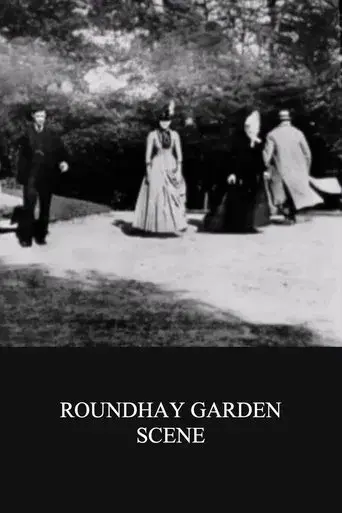
The earliest surviving motion-picture film, and believed to be one of the very first moving images ever created, was shot by Louis Aimé Augustin Le Prince using the LPCCP Type-1 MkII single-lens camera. It was taken on paper-based photographic film in the garden of Oakwood Grange, the Whitley family house in Roundhay, Leeds, West Riding of Yorkshire (UK), on 14 October 1888. The film shows Adolphe Le Prince (Le Prince’s son), Mrs. Sarah Whitley (Le Prince’s mother-in-law), Joseph Whitley, and Miss Harriet Hartley walking around in circles, laughing to themselves, and staying within the area framed by the camera. Roundhay Garden Scene is often associated with a recording speed of around 12 frames per second and runs for about 2 to 3 seconds.
Roundhay Garden Scene
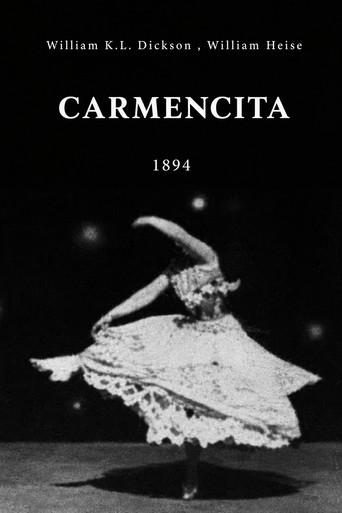
The first woman to appear in front of an Edison motion picture camera and possibly the first woman to appear in a motion picture within the United States. In the film, Carmencita is recorded going through a routine she had been performing at Koster & Bial's in New York since February 1890.
Carmencita

Octavio Ocampo is the creator of the metamorphic style painting technique, a technique of overlapping and juxtaposing realistic and figurative details within the images he creates. This is his story.