How the Monuments Came Down
“Discover how monuments to Confederate leaders stood for more than a century-and how generations of Black resistance finally took them down.”
Overview
How the Monuments Came Down is a timely and searing look at the history of white supremacy and Black resistance in Richmond. The feature-length film-brought to life by history-makers, descendants, scholars, and activists-reveals how monuments to Confederate leaders stood for more than a century, and why they fell.
Top Cast

Melody Barnes
Self - Fmr. White House Domestic Policy Advisor
Christy Coleman
Self - Former Director of the American Civil War Museum
Michael Paul Williams
Self - Newspaper Columist
Julian Hayter
Self - Voting Rights Expert
Caroline Janney
Historian
Marvin Chiles
Historian
Joseph Rogers
Public Historian and Descendant of James Apostle Fields
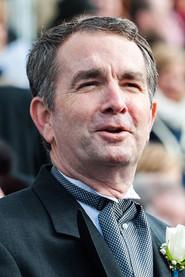
Ralph Northam
Self
Key Film Crew
Production Stats
You May Also Like
Filmmaker Irene Lusztig unearths a dark family secret in search of answers and reconciliation in her breakthrough feature documentary, "Reconstruction."
Reconstruction

Home movie collection of the Bohulano Family of Stockton, CA. Footage dates between the 1950s-1970s.
The Bohulano Family
An exploration —manipulated and staged— of life in Las Hurdes, in the province of Cáceres, in Extremadura, Spain, as it was in 1932. Insalubrity, misery and lack of opportunities provoke the emigration of young people and the solitude of those who remain in the desolation of one of the poorest and least developed Spanish regions at that time.
Land Without Bread


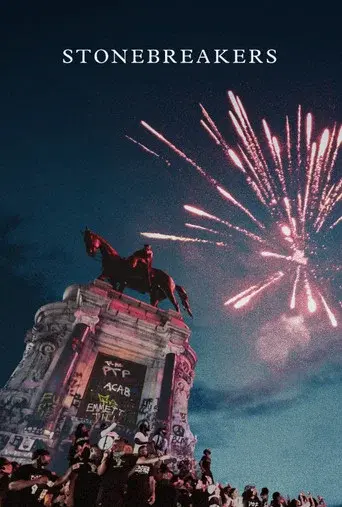
In a year of uprisings and political unrest, Stonebreakers documents the fights around monuments in the United States and explores the shifting landscapes of the nation's historical memory.
Stonebreakers

Moscow, Russia, December 2016. Edward Snowden, Larry Lessig and Birgitta Jónsdóttir meet for the first time in a secret place. Apparently, Russia is interfering in the US presidential elections while it mourns the death of its ambassador to Turkey. Snowden carefully chooses his interviews, so nobody really knows something about him. As the world prepares for Christmas, they gather to discuss the only issue that matters, their common struggle: how to save democracy.
Meeting Snowden
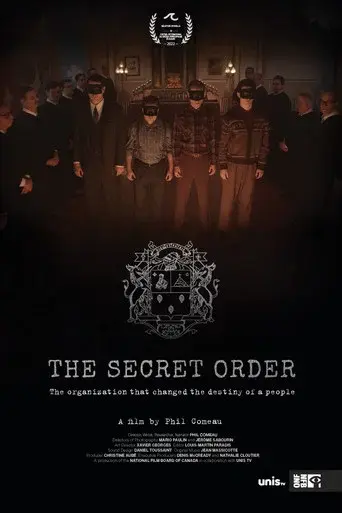
Phil Comeau shines a spotlight on the Ordre de Jacques-Cartier, a powerful secret society that operated from 1926 to 1965, infiltrating every sector of Canadian society and forging the fate of French-language communities. Through never-before-heard testimony from former members of the Order, along with historically accurate dramatic reconstructions, this film paints a gripping portrait of the social and political struggles of Canadian francophone-minority communities.
The Secret Order

Prodigal Korea is a documentary that highlights the cultural divide between the first and second-generation Korean-Americans, particularly in the context of the church. The film showcases the struggles of the second-generation Koreans as they attempt to navigate the cultural expectations of their parents and their own identity crisis as Americans. The documentary features interviews with second-generation Korean-Americans who share their stories of growing up in a culturally traditional Korean family in America. They speak about their struggles to balance the expectations of their parents, who often hold onto traditional Korean values, and their own desire to assimilate and become more American.
Prodigal Korea
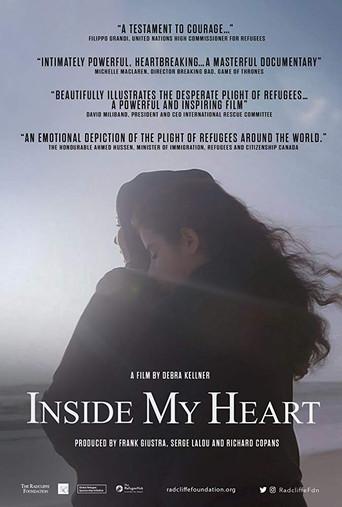
A documentary film by Canadian Director Debra Kellner, produced by Frank Giustra, Serge Lalou, and Richard Copans. Inside My Heart chronicles the plight of three refugee families fleeing their war torn countries over a period of nearly 3 years. Despite having lost everything and their harrowing stories about the atrocities of war, each family continues their fight to stay alive. Unable to return to their countries without the risk of being killed, today they are forced to live with the consequences of their broken dreams.
Inside My Heart

Since the enactment of the Anti-Boryokudan Act and Yakuza exclusion ordinances, the number of Yakuza members reduced to less than 60,000. In the past 3 years, about 20,000 members have left from Yakuza organizations. However, just numbers can’t tell you the reality. What are they thinking, how are they living now? The camera zooms in on the Yakuza world. Are there basic human rights for them?
Yakuza and Constitution

A documentary that follows Anya, a woman residing in Ukraine during the early stages of the war, who tells her story and contemplates how countries will treat her fellow Ukrainians who were forced to flee.
Ukrainians in Exile

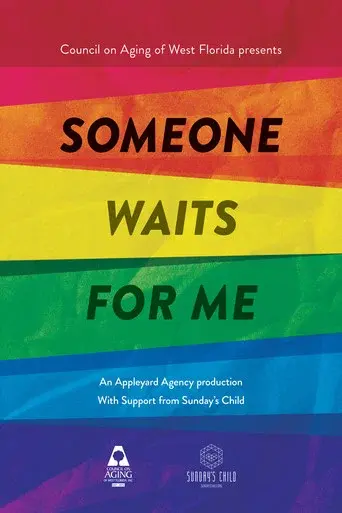
The story of five lesbian and gay seniors in the Northwest Florida region as they navigate coming out, identity, politics, and the challenges and victories inherent in the gay experience. The film weaves together interviews with fictionalized interludes of magical realism that capture their feelings and experiences.