La banlieue, c’est le paradis
Overview
In the 1960s, the suburbs were meant to be modern havens for newcomers from rural France, Portugal, Spain, North Africa, and Africa, helping rebuild post-war France. Large housing complexes symbolized this ideal, offering comfort, heating, and electricity. But by the 1980s, disillusionment set in as economic crisis, unemployment, poverty, crime, racism, and police violence took hold. Mohamed Bouhafsi tells the story of a dream that didn’t last.
Top Cast

Mohamed Bouhafsi
Self - Host, Interviewer & Narrator

Nassira Bouhafsi
Self - Guest

Farida Khelfa
Self - Guest

Fabien Roussel
Self - Guest

Sofiane Zermani
Self - Guest

Emmanuel Macron
Self - Guest

Akhenaton
Self - Guest

Sabrina Ouazani
Self - Guest

Franck Gastambide
Self - Guest

François Hollande
Self - Guest

Jean-Louis Borloo
Self - Guest

Dominique Tapie
Self - Guest
Key Film Crew
Production Stats
You May Also Like

In 1944 Poland, a Jewish shop keeper named Jakob is summoned to ghetto headquarters after being caught out after curfew. While waiting for the German Kommondant, Jakob overhears a German radio broadcast about Russian troop movements. Returned to the ghetto, the shopkeeper shares his information with a friend and then rumors fly that there is a secret radio within the ghetto.
Jakob the Liar


Pliofilm plastic (rubber hydrochloride) and applications in raingear, food packaging, a transparent dress. Also, hybrid giant vegetables; plastic contact lenses; the nature and prevention of dust explosions.
Popular Science J-0-3
Marvels of modern science, including the U.S. Army's latest tanks; pretty models demonstrate massage and exercise machines.
Popular Science J-0-4

Preparation of "spawn" for commercial mushrooms, which grow to the tune of "You Came Along." Also: extraction & uses of snake venom; personal dress forms; a Frank Lloyd Wright building in Racine, Wisc.
Popular Science J-0-6


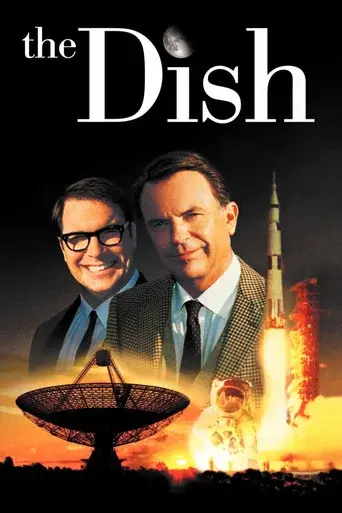
A group of maverick scientists on a remote Australian sheep farm are the globe's only hope for obtaining the epic images of man's first steps on the moon.
The Dish
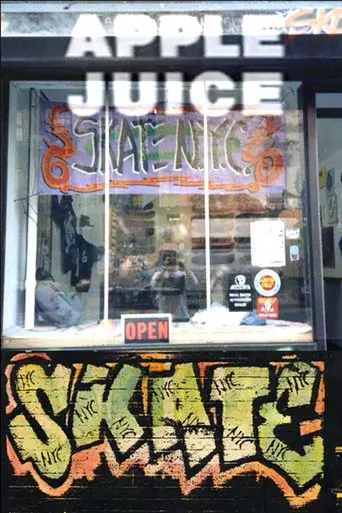
Apple Juice is an classic skateboarding documentary shot by SKATE NYC locals from the late 80’s early 90’s. SKATE NYC is a legendary skateboard store that was on Ave A and 9th St. in the East Village in NY from 1986-91.
Apple Juice
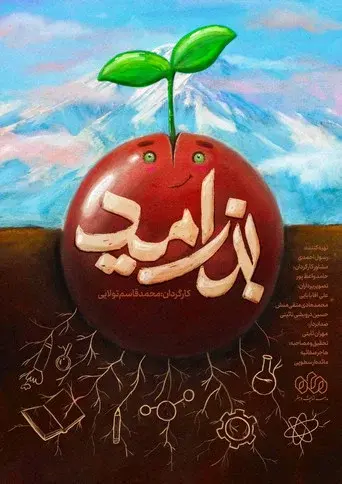
Iranian teenagers have different judgments about Iran. A group of female students get to know a knowledge-based company during a field trip. After this scientific tour, they talk about the effects of this tour on their own thoughts.
The Seed of Hope

Explores the true story of a courageous group of New York City firemen who experienced the worst disaster to happen to the FDNY since 9/11 and a fallout that resulted in the biggest civil trial in New York history.
Black Sunday

In 1937, tens of thousands of Haitians and Dominicans of Haitian descent were exterminated by the Dominican army, on the basis of anti-black racism. Fast-forward to 2013, the Dominican Republic's Supreme Court stripped the citizenship of anyone with Haitian parents, retroactive to 1929, rendering more than 200,000 people stateless. Elena, the young protagonist of the film, and her family stand to lose their legal residency in the Dominican Republic if they don't manage to get their documents in time. Negotiating a mountain of opaque bureaucratic processes and a racist, hostile society around, Elena becomes the face of the struggle to remain in a country built on the labor of her father and forefathers.
Elena


In 1956 Stalinstadt, East Germany, during the Hungarian uprising against Soviets is taking place, local teenagers perform a seemingly harmless act that causes unexpected consequences.
The Silent Revolution
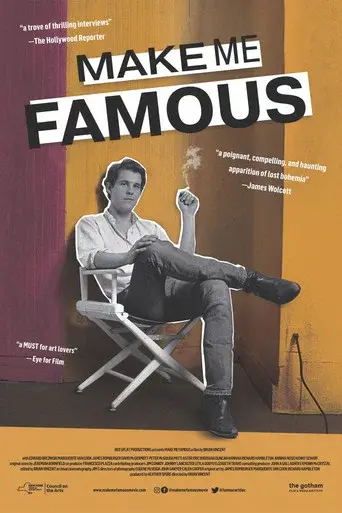
An investigation of Edward Brezinski, an ambitious, charismatic Lower East Side painter hell-bent on sucess, who thwarted his own career with antics that roiled NYC’s art elite. Brezinski’s quest for fame gives an intimate portrait of the art world’s attitude towards success and failure, fame and fortune, notoriety and erasure.
Make Me Famous
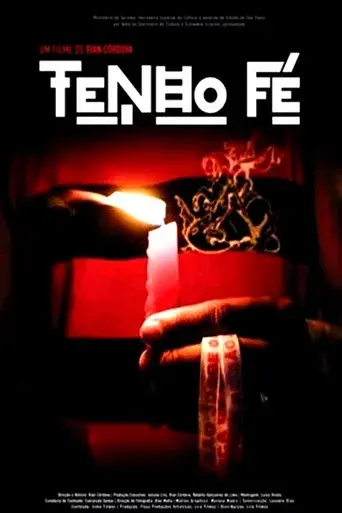
This documentary accompanies the journey of artists who exalt and celebrate ancestry and the orishas in their work. It also offers a manifesto against one of the biggest problems facing Brazil: religious racism. The feature brings together stories from music, theater, fashion, dance and the visual arts to promote reflection on the power and importance of black representation, art and diversity