The History of a Butterfly: A Romance of Insect Life
Overview
Directed by one of the pioneers of the cinematic industry, James Williamson, The History of a Butterfly - A Romance of Insect Life is an intriguing look at the life cycles of butterflies and moths. Caterpillars are seen hatching, feeding and ready for pupation and with three caterpillars changing into chrysalis and the birth of a peacock butterfly, this black and white silent film is an early example of British natural history filmmaking.
Key Film Crew
Production Stats
You May Also Like
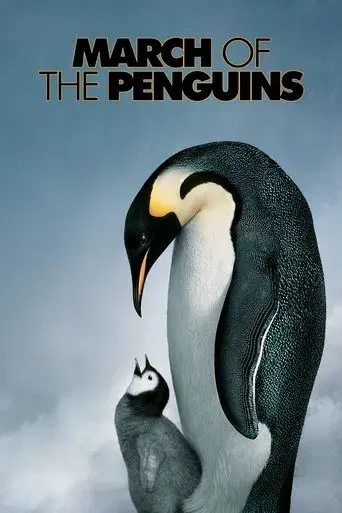
Every year, thousands of Antarctica's emperor penguins make an astonishing journey to breed their young. They walk, marching day and night in single file 70 miles into the darkest, driest and coldest continent on Earth. This amazing, true-life tale is touched with humour and alive with thrills. Breathtaking photography captures the transcendent beauty and staggering drama of devoted parent penguins who, in the fierce polar winter, take turns guarding their egg and trekking to the ocean in search of food. Predators hunt them, storms lash them. But the safety of their adorable chicks makes it all worthwhile. So follow the leader... to adventure!!
March of the Penguins
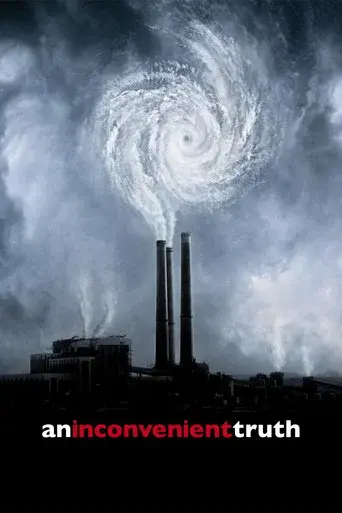
A documentary on Al Gore's campaign to make the issue of global warming a recognized problem worldwide.
An Inconvenient Truth
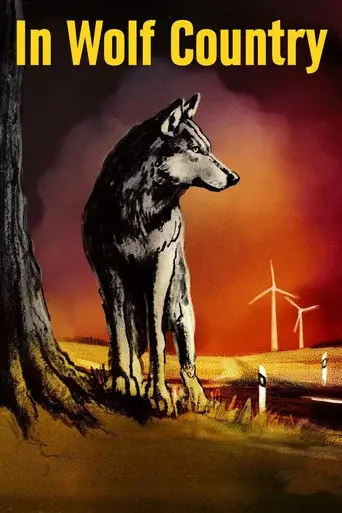
We all know the big bad wolf of fairy-tale fame—over hundreds of years the wolf has become a culturally imprinted symbol of fear that’s completely detached from reality. In fact there weren’t even any wolves in western Europe for a long time. But they’re back—for example in Germany, where these social animals now occupy a few scattered areas around the country that people have left to them.
In Wolf Country

In GHOSTS OF THE FOREST daredevil bird and wildlife cinematographer, John Young is embarking on a journey into the rainforest of the tropical north to find those creatures often heard but rarely, if ever, seen.
Ghosts of the Forest

"All sounds travel in waves much the same as ripples in water." Educational film produced by Bray Studios New York, which was the dominant animation studio based in the United States in the years surrounding World War I.
How the Telephone Talks

Although first glance reveals little more than stones and sand, the desert is alive. Witness moving rocks, spitting mud pots, gorgeous flowers and the never-ending battle for survival between desert creatures of every shape, size and description.
The Living Desert
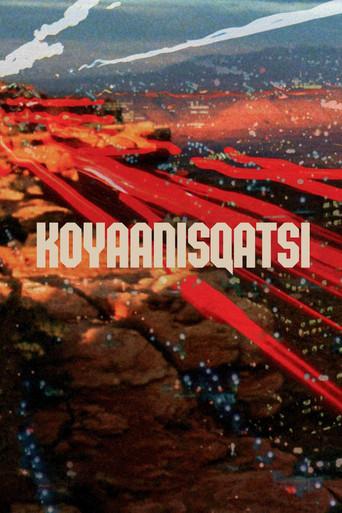
Takes us to locations all around the US and shows us the heavy toll that modern technology is having on humans and the earth. The visual tone poem contains neither dialogue nor a vocalized narration: its tone is set by the juxtaposition of images and the exceptional music by Philip Glass.
Koyaanisqatsi
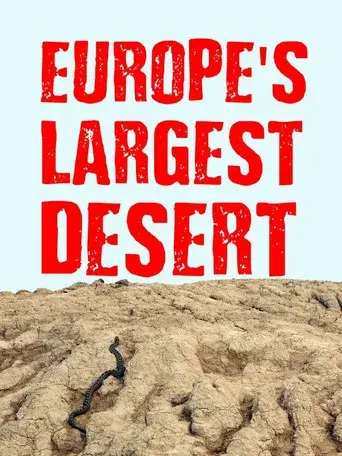
Near the cold Pyrenees of Iberia, surrounded by ancient and dark green forests, lies a strange land where the rain is scarce and the wind is always blowing. The soil is poor, there are no trees and the landscape resembles the moon. Is this what the future of desertification will look like? Incredible creatures with surprising behavior live in this strange landscape. The documentary explores a place with very dry skin but a wet hidden heart where even waterfowl or amphibians can live. Living in such conditions is not easy and only the toughest animals will survive.
Europe‘s Largest Desert
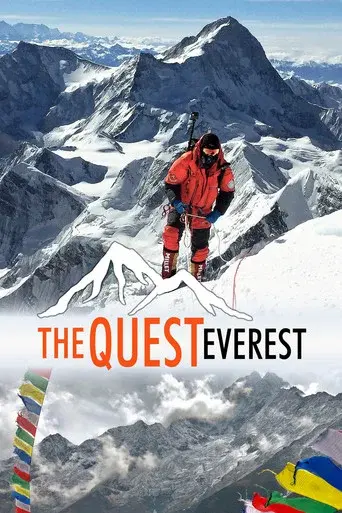
THE QUEST: Everest is a journey to deeper understand and climb the most iconic mountain in the world, Mt. Everest, and to reveal its amazing history and culture. From experiencing Everest like never before to witnessing unique stories about one of the most remarkable places on earth, THE QUEST: Everest is a one-of-a-kind cinematic tribute to the human spirit of adventure that lives inside us all.
THE QUEST: Everest

A documentary from Erkki Karu, one of the earliest pioneers of Finnish cinema: This government-produced propaganda film introduces the nature, sports, military, agriculture and capital of Finland.
Finlandia
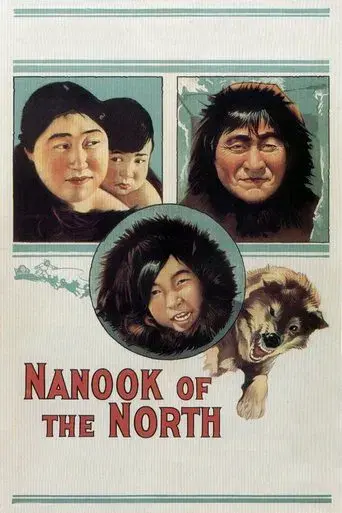
This pioneering documentary film depicts the lives of the indigenous Inuit people of Canada's northern Quebec region. Although the production contains some fictional elements, it vividly shows how its resourceful subjects survive in such a harsh climate, revealing how they construct their igloo homes and find food by hunting and fishing. The film also captures the beautiful, if unforgiving, frozen landscape of the Great White North, far removed from conventional civilization.