Overview
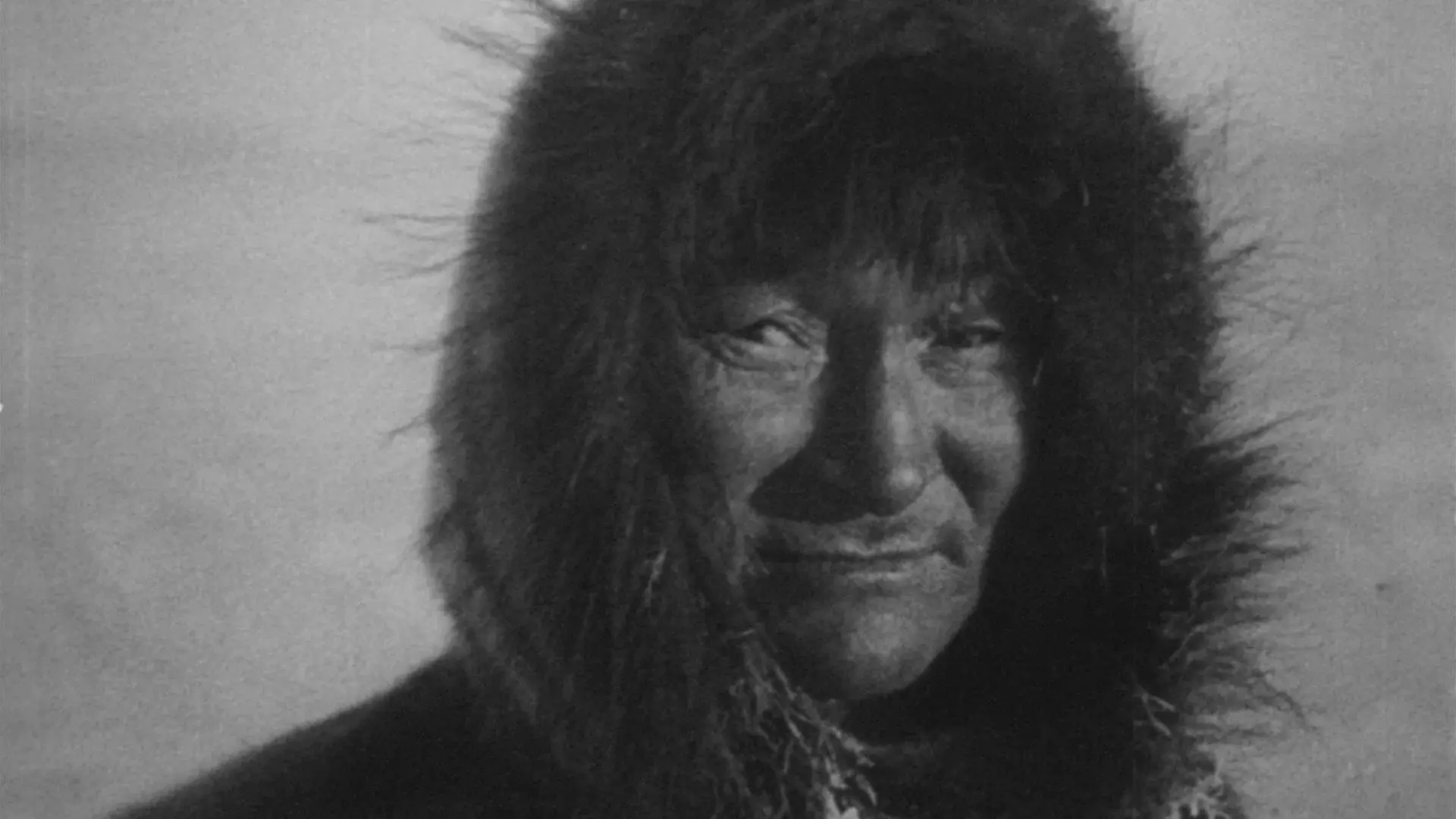
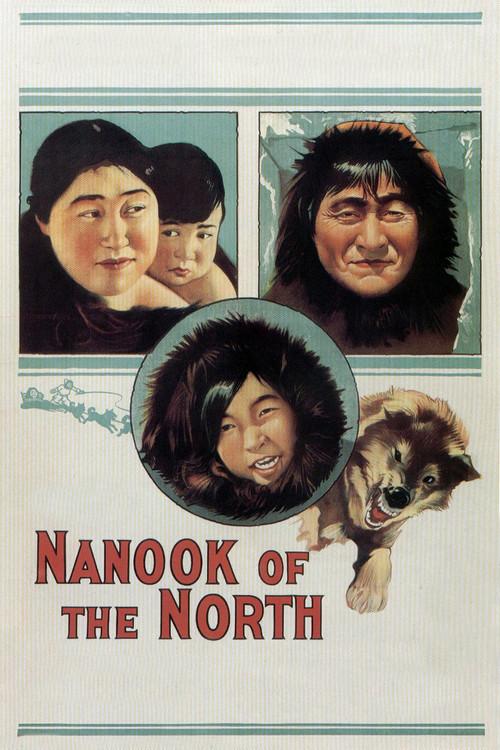
This pioneering documentary film depicts the lives of the indigenous Inuit people of Canada's northern Quebec region. Although the production contains some fictional elements, it vividly shows how its resourceful subjects survive in such a harsh climate, revealing how they construct their igloo homes and find food by hunting and fishing. The film also captures the beautiful, if unforgiving, frozen landscape of the Great White North, far removed from conventional civilization.
Top Cast

Allakariallak
Nanook
Alice Nevalinga
Nanook's Wife - the Smiling One
Cunayou
Cunayou - Nanook's Daughter
Allegoo
Allegoo - Nanook's Son
Allee
Allee - Nanook's Son
Key Film Crew
Production Stats
You May Also Like
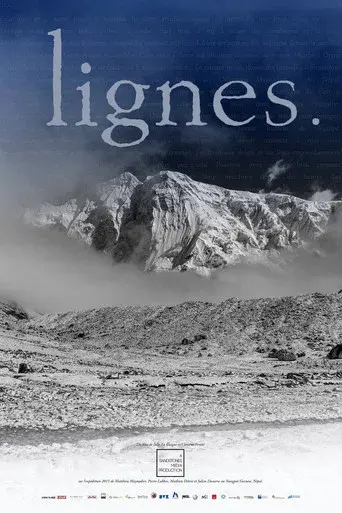
Lignes chronicles the sublime interplay between alpine literature and an expedition seeking the true meaning of mountaineering. Four high-mountain guides—Matthieu Maynadier, Pierre Labbre, Matthieu Détrie, and Julien Dusserre—embark on a project: to summit Nangpai-Gosum, an unclimbed 7,000-meter peak in Nepal, using the "alpine style" adapted to the Himalayas—the toughest and purest approach of all. Through this expedition, Lignes attempts to answer the question: "Why do we climb mountains?" Why, despite the harsh conditions and exhaustion, do these four Alpine guides pursue a perilous dream in a realm that belongs to no one? Lignes finds some answers in the past, drawing on 150 years of alpine literature. Serving as both narrator and seasoned guide, Raymond Renaud takes us on a tour of his books and speaks of the "conquerors of the useless"—from the turn of the century to the present day.
Lines

The mighty King of Babylon falls in love with a beautiful girl, ruthlessly tears her away from her lover, who is left wounded upon the ground, and carries her to his palace, where he seeks to will her affections, showering her with gifts of precious stones from his treasure chests. The heart-broken girl repulses all his overtures and dashes the jewels to the floor, and the infuriated monarch, incensed at her refusal to share his throne, orders her cast into the lions' den. An immense throng of his court followers are invited to witness the execution, but the expectant throng is dumbfounded when the ferocious beasts, instead of rending the victim to pieces, fawn upon her. A wave of superstitious awe sweeps through the gathering, who regard the incident as a miracle and believe that the girl is under the protection of the gods. The King's guards are overpowered and the girl released, and the monarch, by this time imbued with fear, pays homage to the maiden, who is restored to her lover.
The Virgin of Babylon
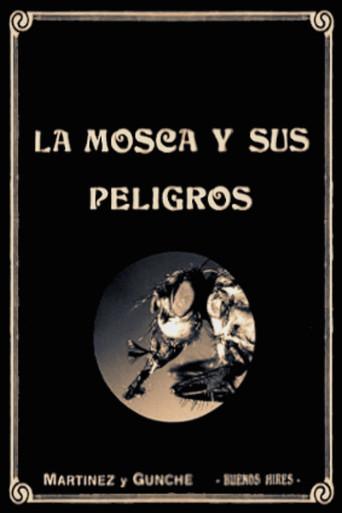
The Dangers of the Fly is an educational film made by Ernesto Gunche and Eduardo Martínez de la Pera, also responsible for Gaucho Nobility (1915), the biggest blockbuster of Argentinean silent cinema. De la Pera was a talented photographer, always willing to try new gadgets and techniques. This film experiments with microphotography in the style of Jean Comandon's films for Pathé and it is part of a series which included a film about mosquitoes and paludism and another one about cancer, which are considered lost. Flies were a popular subject of silent films and there are more than a dozen titles featuring them in the teens and early twenties.
The Dangers of the Fly

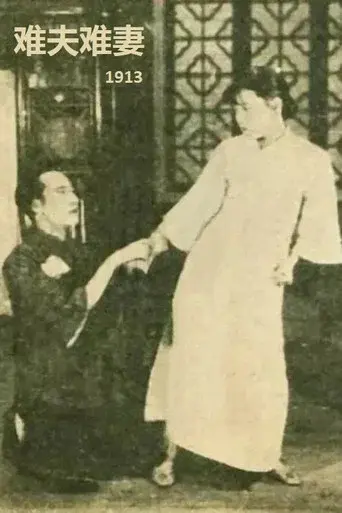
The film tells the story of a man and woman who don't know each other. After being matched by a matchmaker, after going through a series of red tape, they were sent to the bridal chamber and began a difficult life as a couple. Despite the primitive shooting methods and lack of training of the actors, the film has a very important place in the history of Chinese film.
Wedding Festivities
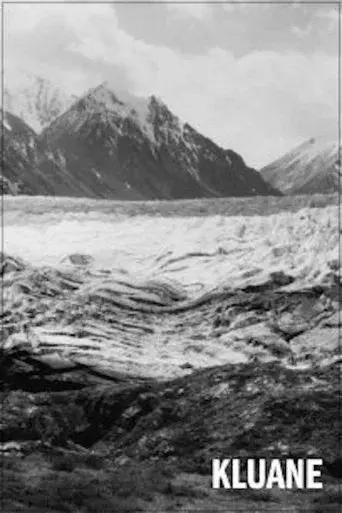
Kluane National Park is situated in the Yukon area of northern Canada and is a research paradise for glaciologists, geologists and other scientists. Mountaineers come to scale the impressive heights. Animals are free to roam, protected by stringent legislation. This film reveals many facets of this beautiful park, which has been declared a protected zone by UNESCO.
Kluane

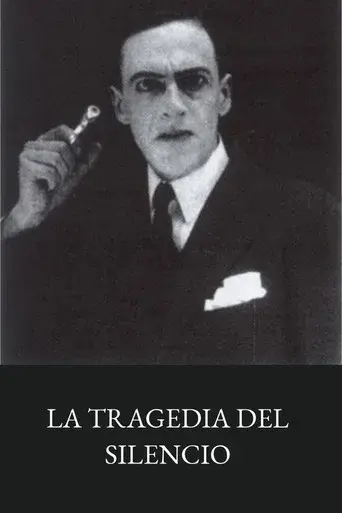
Due to an unfortunate mistake with laboratory samples, a young husband is diagnosed as suffering from the terrible disease of leprosy. In his distress he decides to leave home.
The Tragedy of Silence
Surfing at Waikiki Beach, Hawaii, on the island of Oahu. Most surfers are human, one is a dog. The educational documentary is part of the Bruce Scenic Novelties series.
Sons of the Surf

The love story of young Countess Natasha Rostova and Count Pierre Bezukhov is interwoven with the Great Patriotic War of 1812 against Napoleon's invading army.
War and Peace

This film joins a hunting-party of inhabitants of the Frobisher Bay Correctional Centre. The stalking, killing and skinning of seal and caribou are featured prominently, with explanations as to the importance of these animals to the Inuit way of life.
The Hunters

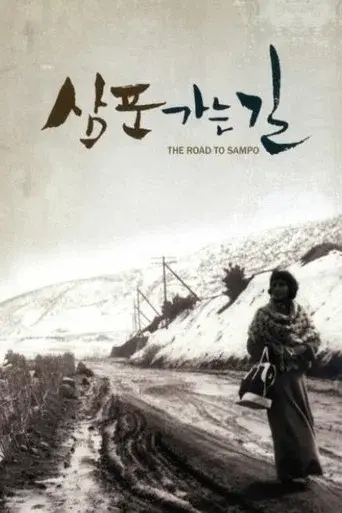
Passing through a jail and a construction site, a young laborer meets a middle-aged man returning to Sampo after ten years' absence. Together, they track down a young woman who ran away from the restaurant she was waitressing at, but instead of turning her in for a reward, the trio decide to go on an adventure together.
The Road to Sampo

The film looks at the impact of over-development in historic towns in Quebec’s picturesque Laurentian mountains. As big box stores and large retailers drive local merchants out of business, and foreign developers buy up huge tracts of land for resorts, local residents’ property taxes are skyrocketing. While the locals organize against expropriation by taxation, an internationally-known artist, René Derouin, adds his creative energy to protect the heritage of “Les pays d’en haut” from The Great Invasion.
The Great Invasion
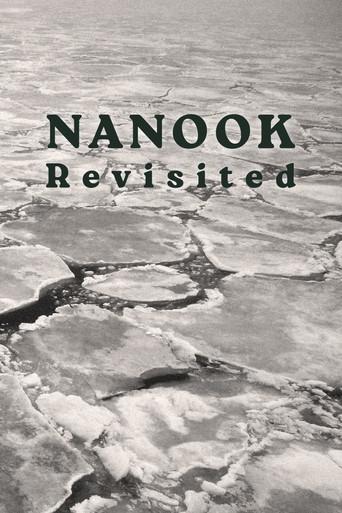
Filmmakers revisit Inukjuak, the Inuit village where Robert J. Flaherty filmed Nanook of the North in the early twentieth century, and examine the realities behind the ground-breaking documentary.