
Modern Times: The Way of All Flesh
Overview
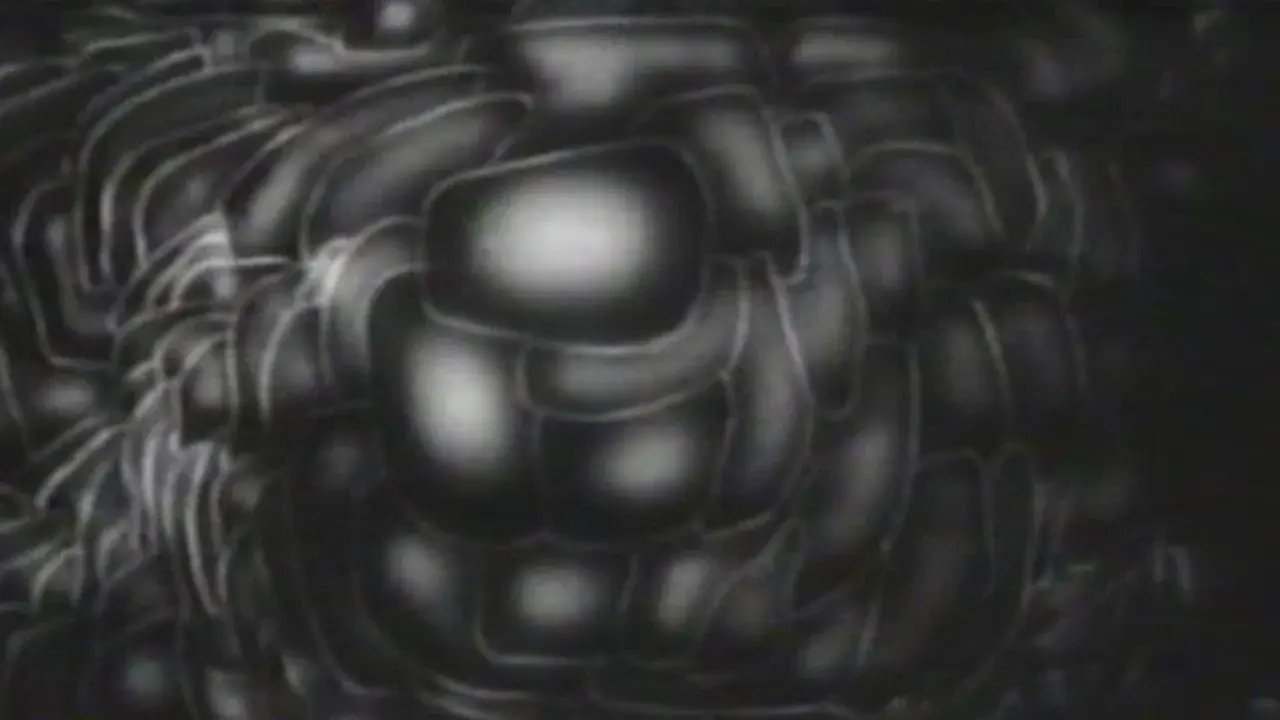
In 1951, a woman died in Baltimore, U.S.A. She was called Henrietta Lacks. These are cells from her body. They were taken from her just before she died. They have been growing and multiplying ever since. There are now billions of these cells in laboratories around the world. If massed together, they would weigh 400 times her original weight. These cells have transformed modern medicine, but they also became caught up in the politics of our age.
Top Cast

Fred Garrett
Himself
George Gey
Himself
Howard Jones
Himself
Mary Kubicek
Herself
Deborah Lacks Pullum
Herself
Walter Nelson-Rees
Himself
Roland Pattillo
Himself
Roland Pattillo
Himself
Sadie Sturdivant
Herself

Adam Curtis
Narrator
Key Film Crew
Production Stats
You May Also Like

Julie Wyman’s quest to find her place within the little people (LP) community at a moment when dwarf identity is poised to radically change. As Julie unpacks the rumors of “partial dwarfism” in her family she finds that hers is the last of a body type she has inherited. She joins forces with a group of dwarf artists to confront the legacy of being tokenized and put on display.
The Tallest Dwarf

In 1937, tens of thousands of Haitians and Dominicans of Haitian descent were exterminated by the Dominican army, on the basis of anti-black racism. Fast-forward to 2013, the Dominican Republic's Supreme Court stripped the citizenship of anyone with Haitian parents, retroactive to 1929, rendering more than 200,000 people stateless. Elena, the young protagonist of the film, and her family stand to lose their legal residency in the Dominican Republic if they don't manage to get their documents in time. Negotiating a mountain of opaque bureaucratic processes and a racist, hostile society around, Elena becomes the face of the struggle to remain in a country built on the labor of her father and forefathers.
Elena
This documentary accompanies the journey of artists who exalt and celebrate ancestry and the orishas in their work. It also offers a manifesto against one of the biggest problems facing Brazil: religious racism. The feature brings together stories from music, theater, fashion, dance and the visual arts to promote reflection on the power and importance of black representation, art and diversity
Tenho Fé

February 1980, young Abdelkader Lareiche was shot in the head by a building guard in a housing estate in Vitry. In a context marked by several racist crimes and a policy of security repression, his friends are mobilizing around the “Rock Against Police” movement. Forty years after the events, Philomène sets out to meet the activists and actors of this movement. “Memory is not commemoration, it is the living part of History” confides Mounsi about the massacre of October 17, 1961. This is the heart of Nabil Djedouani’s project, to restore a moment in a living way. of the militant history of the suburbs, registered here in the Rock Against Police movement, but which cannot be restricted to it. A thread stretched from the 1980s to today, which continues to “analyze the collective and murderous unconscious of the French State” and the ways of resisting and revolting.
Rock Against Police


Creating a Monster is about reality television and sub-textually confronts a bigger ethical question about the psychological impact on the contestants; is the fault placed on reality television producers or the audience who consume it?
Creating a Monster



This is a Dutch documentary about the last weeks of life in a Portuguese clinic for Emma Caris, a 18 year old girl who had been suffering anorexia nervosa since she was 16 years old.
Emma Wants to Live
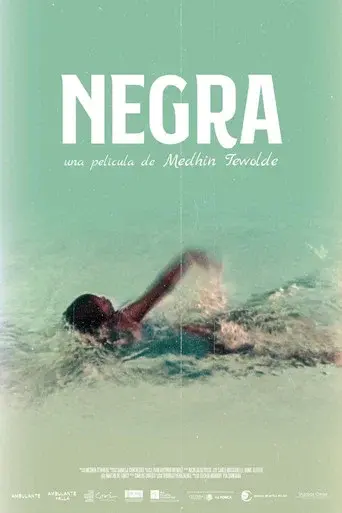
I was about seven years old the first time someone called me \"black\" on the street. I turned around to see who they were talking to, until I realized they were talking to me.
Negra
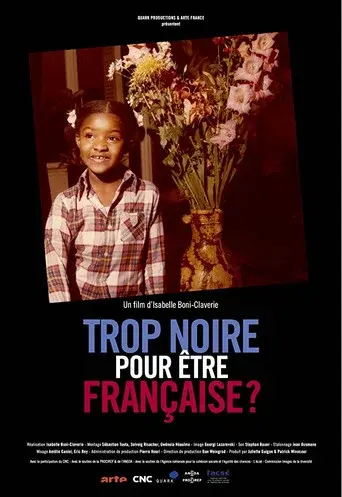
Approximately, because so-called "ethnic" statistics are prohibited, there are an estimated 3.3 million black French citizens. Distant descendants of slaves from the Caribbean or "indigenous" peoples from the French colonial empire in Africa, they constitute a minority that is often discriminated against. Isabelle Boni-Claverie, a mixed-race woman raised in the affluent neighborhoods of Paris, daughter of an Ivorian politician and granddaughter of Alphonse Boni, a Black man who became a magistrate of the French Republic in the 1930s, examines what is blocking the social advancement of Black French people and the full recognition of their citizenship.
Too Black to Be French?
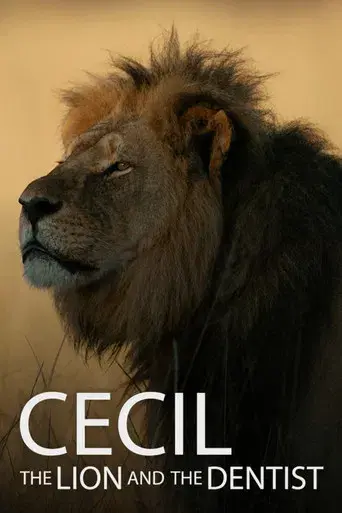
In 2015 a lion in Zimbabwe named Cecil was killed by Walter Palmer, an American dentist, provoking a global outcry. The story of Cecil’s death turns the gaze back on to us and our behaviour. The simplicity of the outrage is a stark contrast to the complexity of the reality.
Cecil

This 1959 documentary short is a frank portrait of the daily operations inside the Montreal General Hospital’s emergency ward.
Emergency Ward
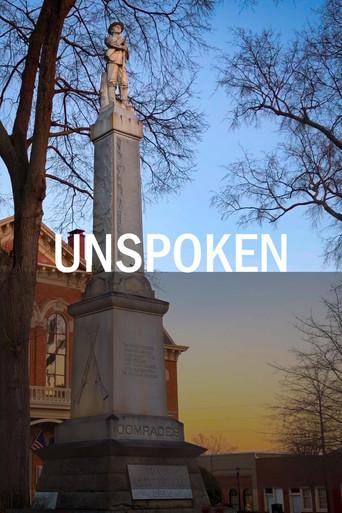
An intimate insider’s journey to uncover buried truths and explore how the community in Monroe, Georgia has been impacted by the 1946 quadruple lynching and decades of racial injustice, shattering a code of silence that has distanced neighbor from neighbor for generations.
