
Overview
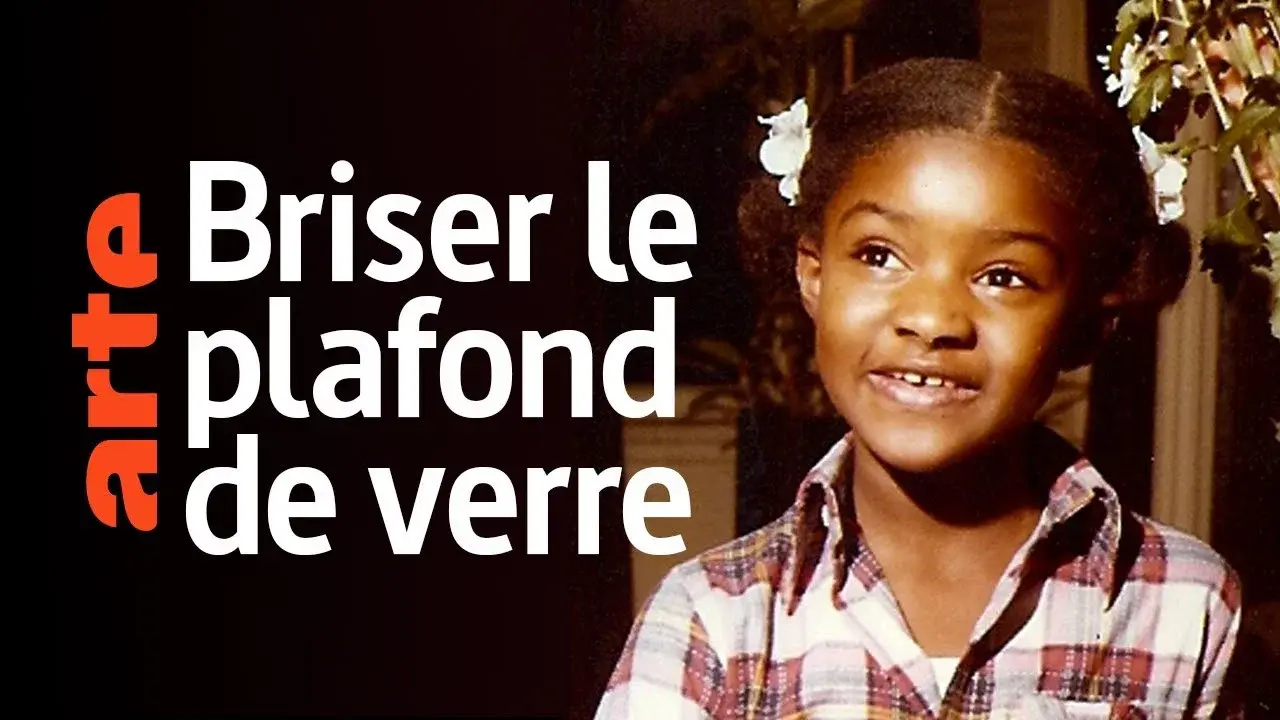
Approximately, because so-called "ethnic" statistics are prohibited, there are an estimated 3.3 million black French citizens. Distant descendants of slaves from the Caribbean or "indigenous" peoples from the French colonial empire in Africa, they constitute a minority that is often discriminated against. Isabelle Boni-Claverie, a mixed-race woman raised in the affluent neighborhoods of Paris, daughter of an Ivorian politician and granddaughter of Alphonse Boni, a Black man who became a magistrate of the French Republic in the 1930s, examines what is blocking the social advancement of Black French people and the full recognition of their citizenship.
Key Film Crew
Production Stats
You May Also Like

NIN E TEPUEIAN - MY CRY is a documentary tracks the journey of Innu poet, actress and activist, Natasha Kanapé Fontaine, at a pivotal time in her career as a committed artist. Santiago Bertolino's camera follows a young Innu poet over the course of a year. A voice rises, inspiration builds; another star finds its place amongst the constellation of contemporary Indigenous literature. A voice of prominent magnitude illuminates the road towards healing and renewal: Natasha Kanapé Fontaine.
Nin E Tepueian: My Cry


THE ARYANS is Mo Asumang's personal journey into the madness of racism during which she meets German neo-Nazis, the US leading racist, the notorious Tom Metzger and Ku Klux Klan members in the alarming twilight of the Midwest. In The ARYANS Mo questions the completely wrong interpretation of "Aryanism" - a phenomenon of the tall, blond and blue-eyed master race.
The Aryans
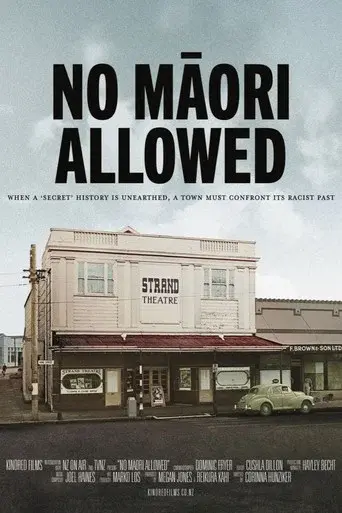
When an academic unearths a forgotten history, residents of the small township of Pukekohe, including kaumātua who have never told their personal stories before, confront its deep and dark racist past.
No Māori Allowed
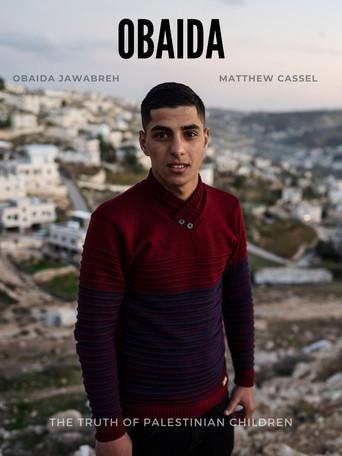
OBAIDA, a short film by Matthew Cassel, explores a Palestinian child’s experience of Israeli military arrest. Each year, some 700 Palestinian children undergo military detention in a system where ill-treatment is widespread and institutionalized. For these young detainees, few rights are guaranteed, even on paper. After release, the experience of detention continues to shape and mark former child prisoners’ path forward.
Obaida


The documentary Schwarze Adler (Black Eagles) lets black players of the German national football team tell their personal stories for the first time. What road did they take before they got to where we cheer for them? What hurdles did they have to overcome? What prejudices and racist hostility were they exposed to – and what was it like in the past, what is it like today?
Black Eagles
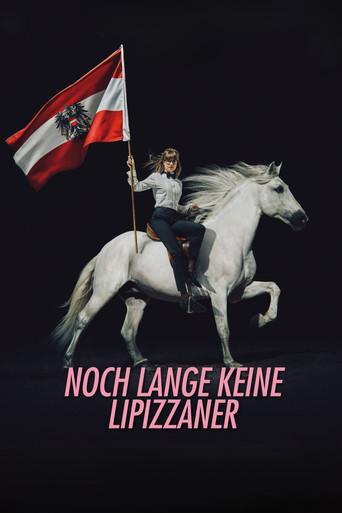
Although director Olga Kosanović was born and raised in Austria, she is not allowed to be Austrian. Her first attempt at naturalization failed. One contemptuous social media comment summed it up: “If a cat gives birth in the Spanish Riding School, that doesn’t make the kittens Lipizzaners.”What notion of identity underlies a legal system that divides society into “us” and “them”? A film about belonging — and about a second attempt.
Far from Being Lipizzans

An intimate insider’s journey to uncover buried truths and explore how the community in Monroe, Georgia has been impacted by the 1946 quadruple lynching and decades of racial injustice, shattering a code of silence that has distanced neighbor from neighbor for generations.
UNSPOKEN



What if this next generation could transcend racism? One year, 12 teens, on a remarkable journey to face racism and white privilege, have the conversations most of us are too afraid to have. Once they push through naivete, guilt and tears, what they learn may change us all.
I'm Not Racist... Am I?
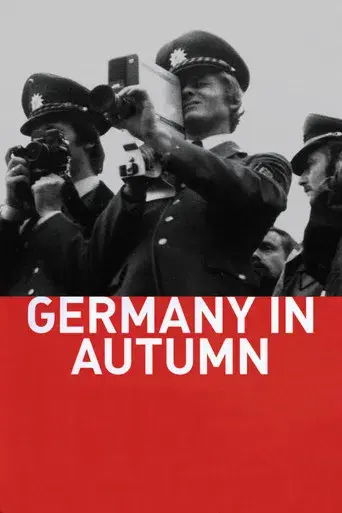
Nine fictitious documentaries and films reflect the mood of late 1970s Germany, particularly the two-month period in 1977 when a businessman was kidnapped by the RAF (Red Army Faction). The kidnap had been made to orchestrate the release of the original leaders of the RAF, aka the Baader-Meinhof.
Germany in Autumn

In 1937, tens of thousands of Haitians and Dominicans of Haitian descent were exterminated by the Dominican army, on the basis of anti-black racism. Fast-forward to 2013, the Dominican Republic's Supreme Court stripped the citizenship of anyone with Haitian parents, retroactive to 1929, rendering more than 200,000 people stateless. Elena, the young protagonist of the film, and her family stand to lose their legal residency in the Dominican Republic if they don't manage to get their documents in time. Negotiating a mountain of opaque bureaucratic processes and a racist, hostile society around, Elena becomes the face of the struggle to remain in a country built on the labor of her father and forefathers.