Overview
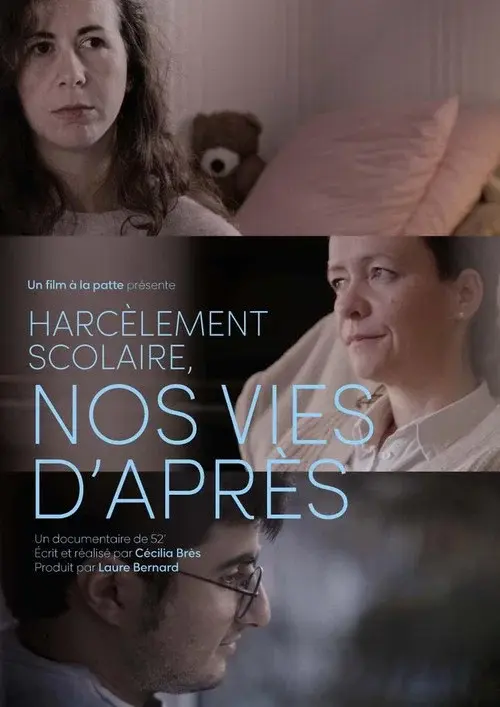
What if we changed viewpoints? "Bullying, our lives after" highlights the suffering of adults who were once bullied pupils. Ten, twenty or thirty years later, trauma is still present. Following Nathalie, Laurine and Samuel, this movie shows the long-term implications of bullying, pointing out a real failure of the educational institution and a major public health issue.
Key Film Crew
Production Stats
You May Also Like

In the late 1960s, with the triumph of bilingualism and biculturalism, New Brunswick's Université de Moncton became the setting for the awakening of Acadian nationalism after centuries of defeatism and resignation. Although 40% of the province's population spoke French, they had been unable to make their voices heard. The movement started with students-sit-ins, demonstrations against Parliament, run-ins with the police - and soon spread to a majority of Acadians. The film captures the behind-the-scenes action and the students' determination to bring about change. An invaluable document of the rebirth of a people.
Acadia Acadia?!?
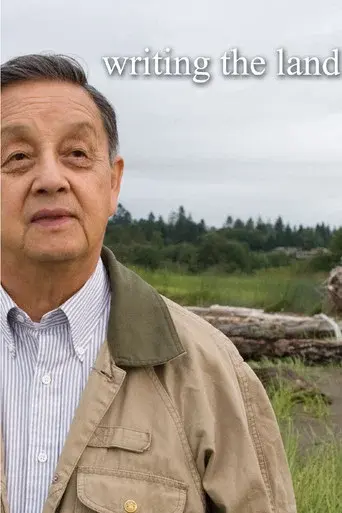
In this short documentary, a Musqueam elder rediscovers his Native language and traditions in the city of Vancouver, in the vicinity of which the Musqueam people have lived for thousands of years. Writing the Land captures the ever-changing nature of a modern city - the glass and steel towers cut against the sky, grass, trees and a sudden flash of birds in flight and the enduring power of language to shape perception and create memory.
Writing the Land
Why do people vent such toxic opinions online? Filmmaker Kyrre Lien spent three years travelling the world to find out who these anonymous ‘internet warriors’ are and why they do it.
The Internet Warriors
In the cobalt mining areas of Katanga in the Democratic Republic of the Congo (DRC), babies are being born with horrific birth defects. Scientists and doctors are finding increasing evidence of environmental pollution from industrial mining which, they believe, may be the cause of a range of malformations from cleft palate to some so serious the baby is stillborn. More than 60% of the world’s reserves of cobalt are in the DRC and this mineral is essential for the production of electric car batteries, which may be the key to reducing carbon emissions and to slowing climate change. In The Cost of Cobalt we meet the doctors treating the children affected and the scientists who are measuring the pollution. Cobalt may be part of the global solution to climate change, but is it right that Congo’s next generation pay the price with their health? Many are hoping that the more the world understands their plight, the more pressure will be put on the industry here to clean up its act.
The Cost of Cobalt


Openland is an art film guided by issues surrounding micro states and its derivative definitions. Through intertwining interviews, meta-narratives, and digital landscapes, Openland unfurls a dialogue between consciousness, individuality and collectivity.
Openland
For those who electrical sensitivity, there aren’t many places to seek refuge. In a remote part of West Virginia, the so-called National Radio Quiet Zone offers one such escape.
The Quiet Zone
Portrayal of a surgeon who feels stifled by Swedish bureaucracy and relocates to Ethiopia to practice medicine. In a small field hospital, with limited resources, he uses anything at hand to help the patients.
The Rebel Surgeon

Books, apps, coaching sessions: Today, happiness is everywhere. We might think that there is nothing wrong with this common-sense concern. But it’s actually the opposite of social reality. So what lies behind this contemporary obsession with happiness and the billions of euros generated by its industry? Philosophers, sociologists, economists and psychiatrists including Christophe André, Éva Illouz, Martin Seligman and Julia De Funès, confront their point of view and decipher one of the most captivating and worrying phenomena of this early century.
Manufacturing Happiness

Masao Adachi, the author and director of experimental works and pinku-eiga in the 1960s, was a member of the Japanese New Left that shifted from being a filmmaker to a guerrilla fighter. In 1974, he joined the Japanese Red Army in Lebanon, which worked closely with the Popular Front for the Liberation of Palestine. Filmmaker Lutz Dammbeck met Adachi in Tokyo in 2018 and talked with him about a wide range of topics, including art, revolution, the influence of western avant-garde art and American underground; the Japanese Red Army; collaboration with secret services; the role of the Left after 1968; and the reasons for failures of leftist ideas and strategies.
Bruno & Bettina
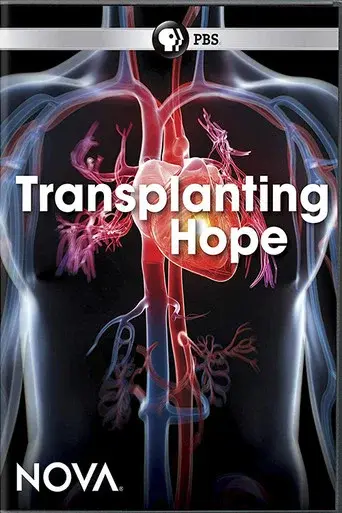
NOVA takes you inside the operating room to witness organ transplant teams transferring organs from donors to recipients. Meet families navigating both sides of a transplant, and researchers working to end the organ shortage. Their efforts to understand organ rejection, discover ways to keep organs alive outside the body, and even grow artificial organs with stem cells, could save countless lives.
Transplanting Hope
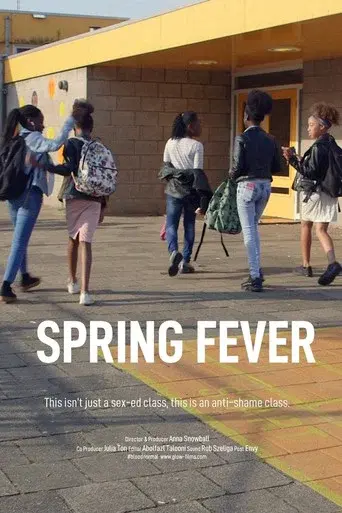
A glimpse into a refreshingly different sex education class in the Netherlands.
Spring Fever
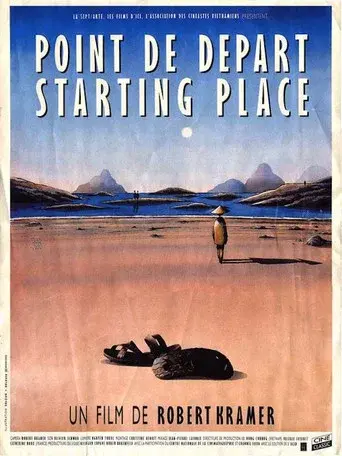
In this film from late in his career, Kramer returns to Hanoi after nearly 25 years to re-envision the city’s struggle through an uncertain and daunting past, present, and future. The Vietnamese characters in the film are diverse: Kramer’s former guide from an earlier visit in 1969; a tight-rope walker in the national circus; a man who took photos of B-52s and another who lost his fingers shooting them down.
Starting Place
Since the renewed Intifada began in 2000, there have been over 75 Palestinian suicide bombings. This is the story of 0ne-the bombing of bus 32 in Jerusalem in June 2002. The film connects the stories of a group of ordinary Israelis-Jews and Arabs. Each of them holds a clue to someone who died that day.
Diameter of the Bomb
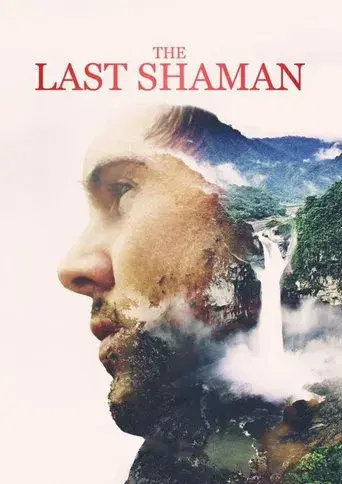
James, giving himself 12 months before he has "a license to kill himself," sets off to the Amazon rainforest with hopes of finding a shaman who can save his life.
The Last Shaman
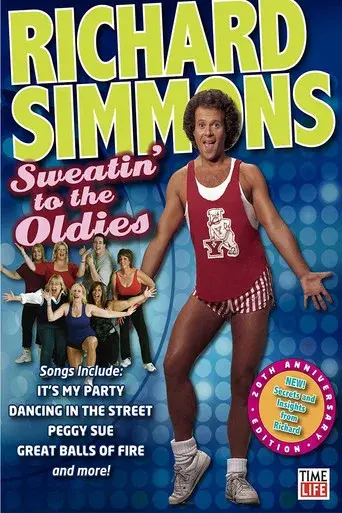
Fitness expert Richard Simmons gets some of his friends together and invites you to the High School Prom. But there's no need to rent a gown or a tuxedo, just come as you are. This is an aerobic exercise party where, instead of boring elevator music, you get to work out to ten of the biggest hit songs from the 1950's & '60's performed by a live band! "Dancing in the Streets," "Beyond the Sea," "On Broadway," "It's My Party," "Peggy Sue," "Great Balls of Fire," "Wipeout," "He's a Rebel," "Personality" and "Ain't No Mountain High Enough." If you need to get or stay fit, but want to have fun while doing it, let Richard and his friends show you the way!