The Internet Warriors
Overview
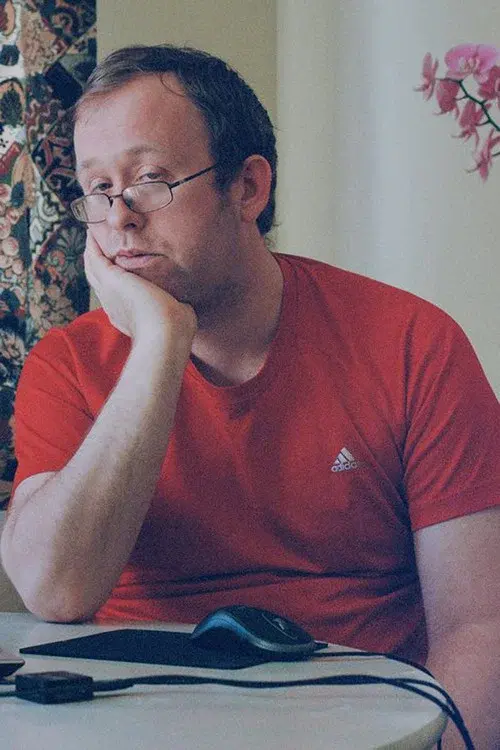
Why do people vent such toxic opinions online? Filmmaker Kyrre Lien spent three years travelling the world to find out who these anonymous ‘internet warriors’ are and why they do it.
Key Film Crew
Production Stats
You May Also Like

THE PEOPLE'S CLOUD is a web-based six-part documentary series that gets to the bottom of the internet; investigating the ecology and impact of cloud computing on the lives of those who use it, the places it is physically located in and the people who work to maintain it.
The People's Cloud

Nine fictitious documentaries and films reflect the mood of late 1970s Germany, particularly the two-month period in 1977 when a businessman was kidnapped by the RAF (Red Army Faction). The kidnap had been made to orchestrate the release of the original leaders of the RAF, aka the Baader-Meinhof.
Germany in Autumn

In southern Italy, stateless migrants pick the tomatoes the rest of the world will taste. But what about these workers’ European dreams? Will they be ground to a pulp? Our canned tomatoes are picked by migrant workers who have come to southern Italy to realise their dream of Europe. However, they never get beyond the tomato fields. This documentary shows how the tomato broaches a broader issue. Will the pickers keep believing in their dream, or fight against a Europe where others reap the sweet rewards of their disillusion?
A Tomato Tragedy





Although director Olga Kosanović was born and raised in Austria, she is not allowed to be Austrian. Her first attempt at naturalization failed. One contemptuous social media comment summed it up: “If a cat gives birth in the Spanish Riding School, that doesn’t make the kittens Lipizzaners.”What notion of identity underlies a legal system that divides society into “us” and “them”? A film about belonging — and about a second attempt.
Far from Being Lipizzans
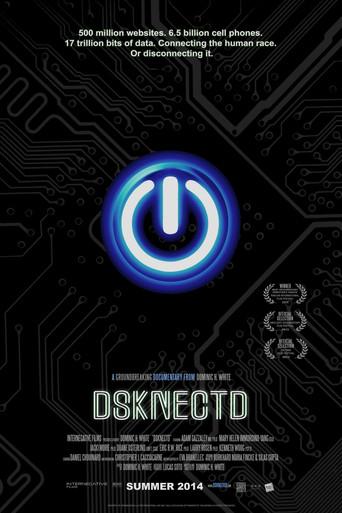
As clichés go, in 1999 the World as we knew it was about to change - and we'd been expecting it. Since childhood we'd been promised that the 21st century would bring us dramatic new technologies like flying cars and Utopian cities. Instead it bought us the smart-phone, social media, and virtual societies. And as it turns out these technologies began to transform society almost as dramatically as the moon colonies we'd been expecting. Now over a decade into the revolution, 'DSKNECTD' explores how digital communication technology is profoundly changing the way we interact and experience each other - for the good and for the bad.
DSKNECTD

Friends since high school, 20-somethings Kaleil Isaza Tuzman and Tom Herman have an idea: a Web site for people to conduct business with municipal governments. This documentary tracks the rise and fall of govWorks.com from May of 1999 to December of 2000, and the trials the business brings to the relationship of these best friends. Kaleil raises the money, Tom's the technical chief. A third partner wants a buy out; girlfriends come and go; Tom's daughter needs attention. And always the need for cash and for improving the site. Venture capital comes in by the millions. Kaleil is on C-SPAN, CNN, and magazine covers. Will the business or the friendship crash first?
Startup.com

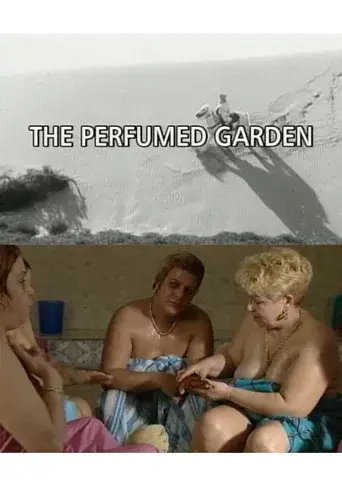
THE PERFUMED GARDEN is an exploration of the myths and realities of sensuality and sexuality in Arab society, a world of taboos and of erotic literature. Through interviews with men and women of all ages, classes, and sexual orientation, the film lifts a corner of the veil that usually shrouds discussion of this subject in the Arab world. Made by an Algerian-French woman director, the film begins by looking at the record of a more permissive history, and ends with the experiences of contemporary lovers from mixed backgrounds. It examines the personal issues raised by the desire for pleasure, amidst societal pressures for chastity and virginity. The film discusses pre-marital sex, courtship and marriage, familial pressures, private vs. public spaces, social taboos (and the desire to break them), and issues of language.
The Perfumed Garden

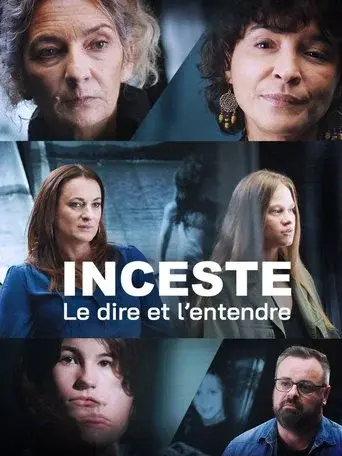


Milana, Sephora, and Mario are between seventeen and twenty-six years old. They grew up in modest, stigmatized rural Manouche families. Unlike their parents, they have degrees and work as employees. They have dreams to fulfill.