

Dampskibet "A.P. Bernstorff" Løber Af Stabelen
Overview
From Elsinore shipyard launched the steamer AP Bemstorff sliding slowly out into the harbor.
Key Film Crew
Production Stats
You May Also Like
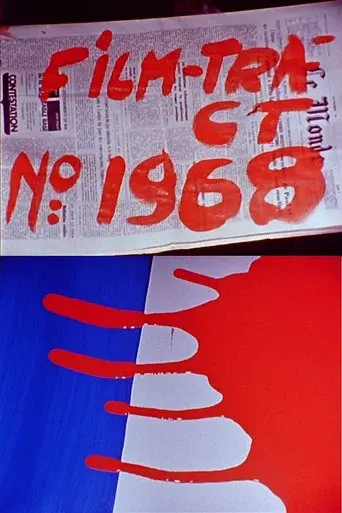
In the 1968 movement in Paris, Jean-Luc Godard made a 16mm, 3-minute long film, Film-tract No.1968, Le Rouge, in collaboration with French artist Gérard Fromanger. Starting with the shot identifying its title written in red paint on the Le Monde for 31 July 1968, the film shows the process of making Fromanger’s poster image, which is thick red paint flows over a tri-color French flag. —Hye Young Min
Film-Tract n° 1968

Shurochka, the film’s hero, spends her life walking from one village to another in order to weigh tractors. Yet, this makes just one part of her existence. She dances to Utiosov’s songs, she smiles to the pictures of old Soviet actresses and shows a wonderful taste for life amidst the lonely provincial disorderliness.
Just Life
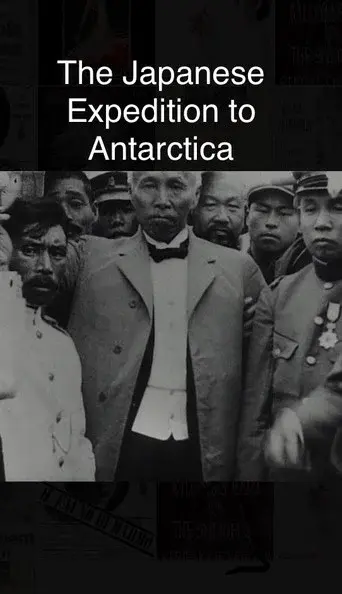



A short documentary about the final weeks of an independent video store in Woodbury, CT.
Video World
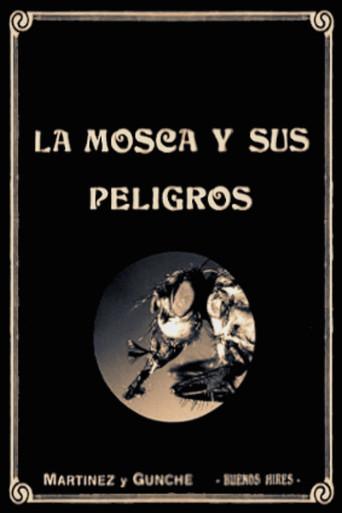
The Dangers of the Fly is an educational film made by Ernesto Gunche and Eduardo Martínez de la Pera, also responsible for Gaucho Nobility (1915), the biggest blockbuster of Argentinean silent cinema. De la Pera was a talented photographer, always willing to try new gadgets and techniques. This film experiments with microphotography in the style of Jean Comandon's films for Pathé and it is part of a series which included a film about mosquitoes and paludism and another one about cancer, which are considered lost. Flies were a popular subject of silent films and there are more than a dozen titles featuring them in the teens and early twenties.
The Dangers of the Fly
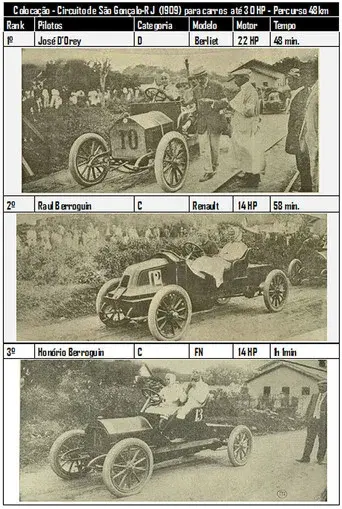
It's the oldest Brazilian movie that survived and the film that captured the first car race in Brazil.
Circuito de São Gonçalo
A troupe of gypsies takes a traveler along with them on their day trip.
A Day with the Gipsies


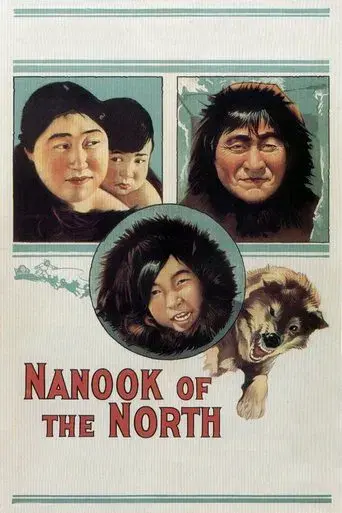
This pioneering documentary film depicts the lives of the indigenous Inuit people of Canada's northern Quebec region. Although the production contains some fictional elements, it vividly shows how its resourceful subjects survive in such a harsh climate, revealing how they construct their igloo homes and find food by hunting and fishing. The film also captures the beautiful, if unforgiving, frozen landscape of the Great White North, far removed from conventional civilization.