
Overview
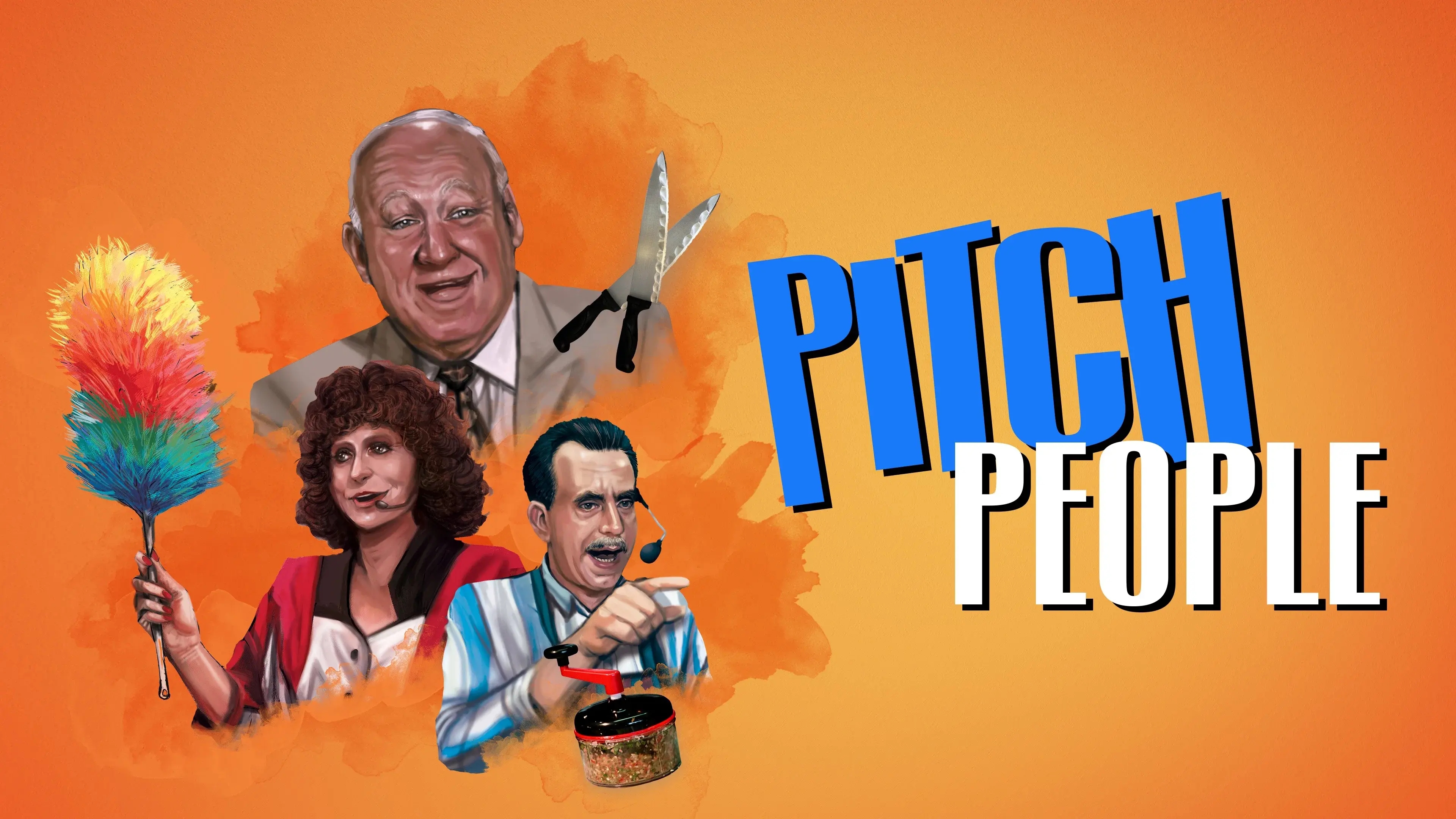
The art of the "pitch" and its role in society, as told by many of the pitch industry's greatest salesmen, including Arnold Morris, Sandy Mason, Lester Morris, Wally Nash and Ed McMahon as well as a look at the Popeil family.
Top Cast

Arnold Morris
Self

Ed McMahon
Self
Jan Muller
Self
Joe Fowler
Self
Garrett Bess
Self
Jerry Crowley
Self
Billy Carroll
Self
Wally Nash
Self
Chester Nairne
Self
Sandy Mason
Self
Lester Morris
Self
Nancy Ann Nelson
Self
Key Film Crew
Production Stats
You May Also Like

Helvetica is a feature-length independent film about typography, graphic design and global visual culture. It looks at the proliferation of one typeface (which will celebrate its 50th birthday in 2007) as part of a larger conversation about the way type affects our lives. The film is an exploration of urban spaces in major cities and the type that inhabits them, and a fluid discussion with renowned designers about their work, the creative process, and the choices and aesthetics behind their use of type.
Helvetica
Since the late 18th century American legal decision that the business corporation organizational model is legally a person, it has become a dominant economic, political and social force around the globe. This film takes an in-depth psychological examination of the organization model through various case studies. What the study illustrates is that in the its behaviour, this type of "person" typically acts like a dangerously destructive psychopath without conscience. Furthermore, we see the profound threat this psychopath has for our world and our future, but also how the people with courage, intelligence and determination can do to stop it.
The Corporation


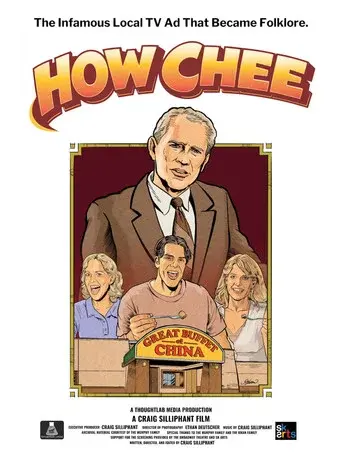
From 1996 to 1998, a low-budget TV commercial for Saskatoon’s Great Buffet of China aired relentlessly. Featuring a Caucasian pitchman introducing the phrase “How Chee” and a group of amateur young actors repeating it, the ad became infamous. Some laughed. Others cringed. Many called it the worst commercial ever made. Thirty years later, it still resurfaces—at one point even going viral in China. How Chee! explores the unlikely origins of the ad, the friendship between an immigrant restaurant owner and the professor who tried to help save his business, and the now-adult actors who became locally famous long before going viral was a thing.
How Chee!

Early 1960s documentary into the spending habit of 'screenagers' (young cinema-goers aged between 16-24). Based on Mark Abrams' 1959 report, 'The Teenage Consumer'.
Screenagers


A disturbing collection of 1940s and 1950s United States government-issued propaganda films designed to reassure Americans that the atomic bomb was not a threat to their safety.
The Atomic Cafe

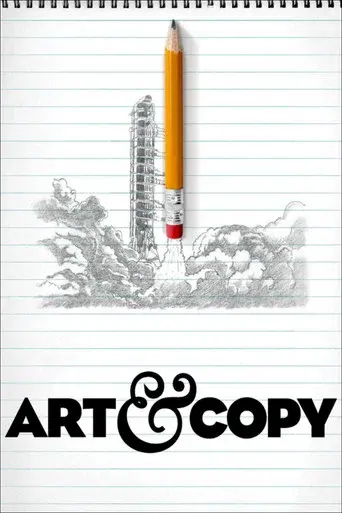
The personal odysseys of some of the most influential advertising visionaries of all time and the stories behind their campaigns.
Art & Copy
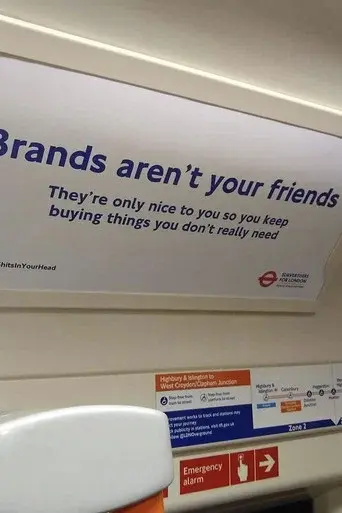
Advertising shits in your head. London artists are taking to the streets to reclaim public spaces and challenge passerby's to think differently about everything from capitalism to gender.
Subvertisers for London
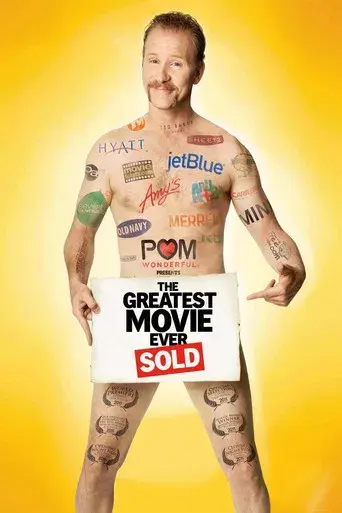


Programming the Nation? takes an encompassing look at the history of subliminal messaging in America. According to many authorities, since the late 1950s subliminal content has been tested and delivered through all forms of mass-media including Hollywood filmmakers Alfred Hitchcock and William Friedkin. Even our modern military has been accused of these practices in the "war on terror" against soldiers and civilians both abroad and at home. With eye-opening footage, revealing interviews, humorous anecdotes, and an array of visual effects, the film categorically explores the alleged usage of subliminals in advertising, music, film, television, anti-theft devices, political propaganda, military psychological operations, and advanced weapons development. Director Jeff Warrick makes it his personal mission to determine if these manipulative tactics have succeeded in "programming the nation?" Or, if subliminal messaging belongs in the category of what many consider urban legend.