X-Rated: The Ads They Couldn't Show
Overview
Every year, thousands of commercials are made that never reach our TV screens, deemed too shocking to see. In order to make it onto the screen, they must clear all manner of obstacles, from fussy clients to obsessive regulators and restrictive rights issues. X-Rated takes a look at these outlawed pieces of advertising, revealing the most explicit, controversial and shocking ads never seen. These are ads that break all manner of taboos, from sex, violence, blasphemy, homosexuality, animal cruelty, rapping pensioners, swearing children, suicidal toys and naked athletes to Kylie in her undies on a bucking bronco. Amongst the contributors are advertising executives, producers and censors. The programme also takes a look at the embarrassing world of western celebrities in Japanese ads.
Top Cast

Doon Mackichan
Narrator
Key Film Crew
Production Stats
You May Also Like

Helvetica is a feature-length independent film about typography, graphic design and global visual culture. It looks at the proliferation of one typeface (which will celebrate its 50th birthday in 2007) as part of a larger conversation about the way type affects our lives. The film is an exploration of urban spaces in major cities and the type that inhabits them, and a fluid discussion with renowned designers about their work, the creative process, and the choices and aesthetics behind their use of type.
Helvetica
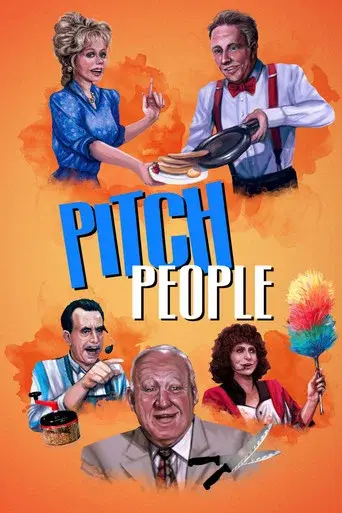
The art of the "pitch" and its role in society, as told by many of the pitch industry's greatest salesmen, including Arnold Morris, Sandy Mason, Lester Morris, Wally Nash and Ed McMahon as well as a look at the Popeil family.
Pitch People
The beautiful gay erotic superstar Johan Paulik is enthusiastically celebrated in this jam-packed compendium of Johan's greatest on-screen performances, plus an exclusive interview with the charming boy himself and previously unseen out-takes which reveal the charm and humor of this much admired adult model.
Moments with Johan

A disturbing collection of 1940s and 1950s United States government-issued propaganda films designed to reassure Americans that the atomic bomb was not a threat to their safety.
The Atomic Cafe
Documentary directed by W.K. Border, that which dives into the aspects of contemporary Gothic subculture, vampirism, and BDSM culture. Filmed in 1997 in California.
Sex, Death & Eyeliner


Between 1933 and 1945 roughly 1200 films were made in Germany, of which 300 were banned by the Allied forces. Today, around 40 films, called "Vorbehaltsfilme", are locked away from the public with an uncertain future. Should they be re-released, destroyed, or continue to be neglected? Verbotene Filme takes a closer look at some of these forbidden films.
Forbidden Films


Since the late 18th century American legal decision that the business corporation organizational model is legally a person, it has become a dominant economic, political and social force around the globe. This film takes an in-depth psychological examination of the organization model through various case studies. What the study illustrates is that in the its behaviour, this type of "person" typically acts like a dangerously destructive psychopath without conscience. Furthermore, we see the profound threat this psychopath has for our world and our future, but also how the people with courage, intelligence and determination can do to stop it.
The Corporation
The personal odysseys of some of the most influential advertising visionaries of all time and the stories behind their campaigns.
Art & Copy
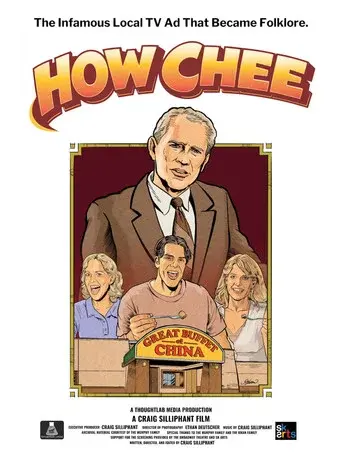
From 1996 to 1998, a low-budget TV commercial for Saskatoon’s Great Buffet of China aired relentlessly. Featuring a Caucasian pitchman introducing the phrase “How Chee” and a group of amateur young actors repeating it, the ad became infamous. Some laughed. Others cringed. Many called it the worst commercial ever made. Thirty years later, it still resurfaces—at one point even going viral in China. How Chee! explores the unlikely origins of the ad, the friendship between an immigrant restaurant owner and the professor who tried to help save his business, and the now-adult actors who became locally famous long before going viral was a thing.
How Chee!
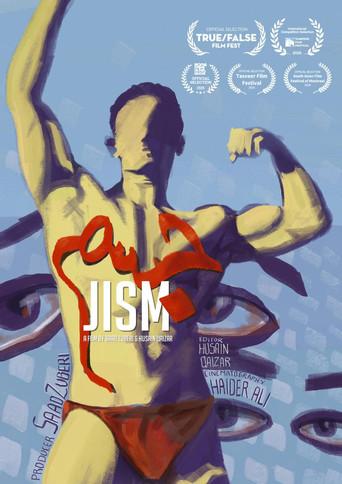
In conservative Pakistan, a photographer and his ambitious muses challenge social norms while chasing recognition and self-worth in a social media-driven world, engaging in candid conversations about culture, identity, body image, and vulnerability during a photoshoot.
Body
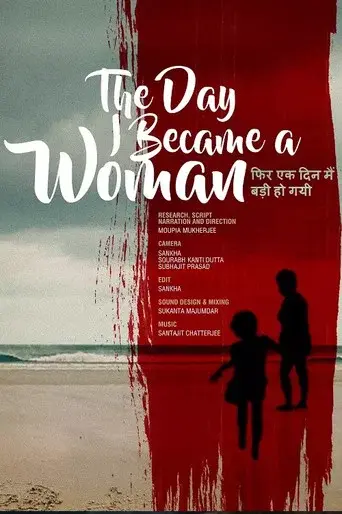
The film is a journey of the director to find an answer behind the trauma that shook her one fine morning at the age of twelve, when she had her first periods. Away from home and her mother on that particular day, she feared for her life, as she didn’t have the slightest clue about what was going on in her body. Her journey within the film extends to the experiences of several women around menstruation, through interactions with her daughter and a few friends. Finally, after thirty years, she confronts her mother.
The Day I Became A Woman

Matilda Pierre, a 26-year-old Guyanese actress, chooses to tell her story and publicly embrace her sexual orientation in a society where homosexuality remains largely taboo. Attracted to women, men, and transgender people, she must deal with insults, threats, and the weight of others’ judgment. Through her testimony, Matilda reveals the reality experienced by many young LGBTQIA+ people in French Guiana. The documentary also gives voice to other young people, such as Marcus, a bisexual Amerindian who hides his orientation for fear of rejection from his family. Between silence, fear, and social pressure, many live their identities in the shadows.