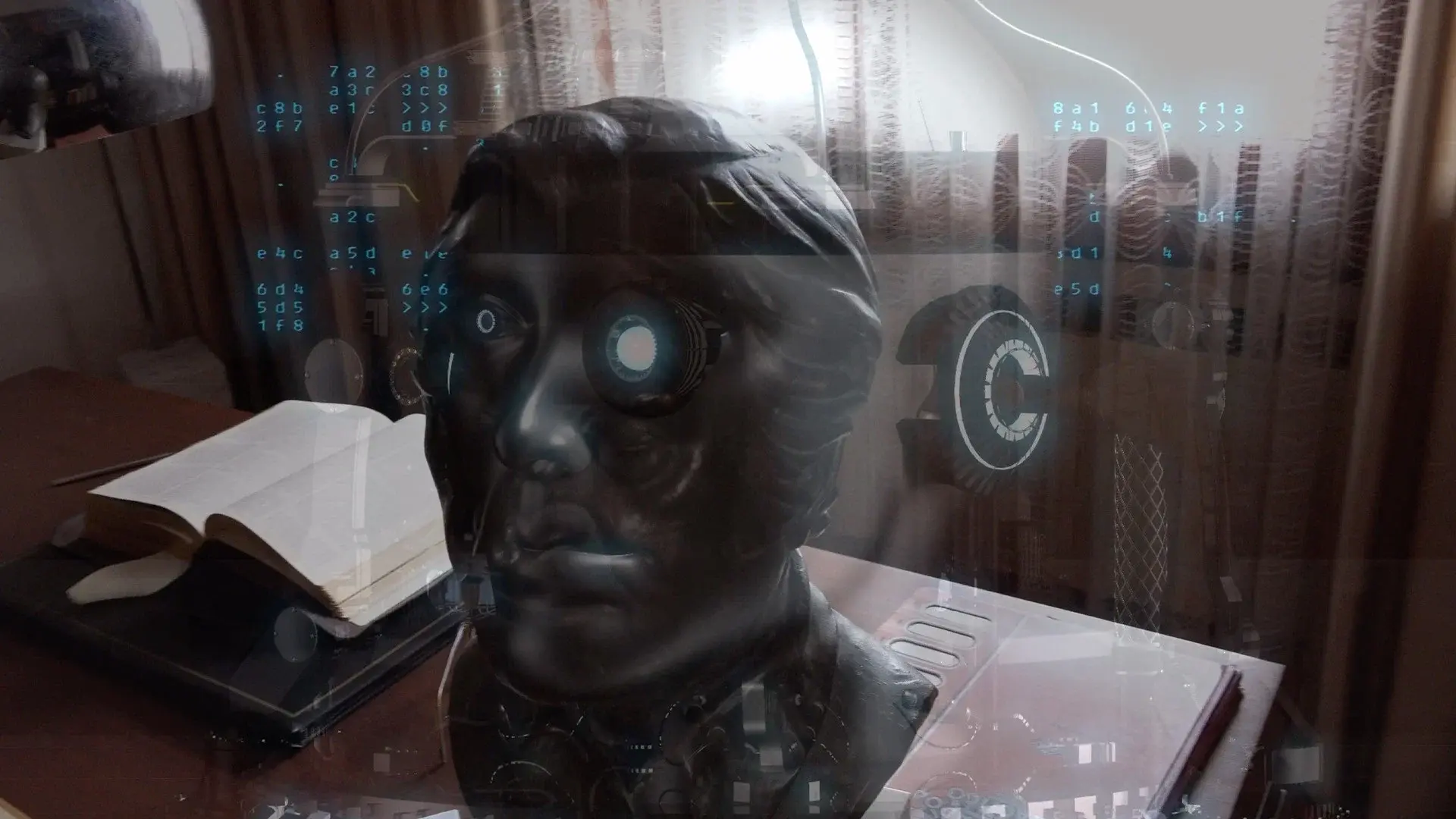

Bronze bust, digital guard
Overview
No overview summary available for this movie.
Key Film Crew
Production Stats
You May Also Like

What does it mean to be kin with beings we are taught to revile? Hunt for the Malwoden is a meditation on kinship, disgust, and the porous boundaries between human and more-than-human worlds.
Hunt for the Malwoden
In Bali, artist Daan Roosegaarde and local Balinese spent three years breeding a Firefly Garden where light returns at night. This love story of people and nature flickers with courtship, longing, and reunion.
Return of the Fireflies

A staged birthday celebration and a visit to the director’s father’s home. From the interplay of memory and imagination, the film explores how family archives shape fictions of the past.
Tantos Domingos
An immersive dive into the heart of the discomfort felt by anyone struggling to sleep.
Plush
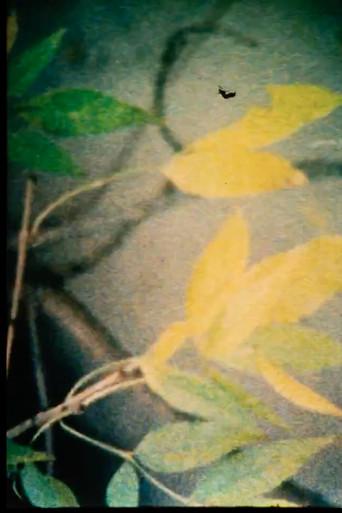
A film of and through the trees. Leaves catch, consume and resist the light through the seasons.
Fresno

A train moves through winter as a superimposed image of the same route in spring gradually emerges. Both moments coexist within a single frame, revealing two seasons happening at once.
Winter Spring

A sock puppet explores a family history told from the perspective of a mother and father.
We Exist Triply


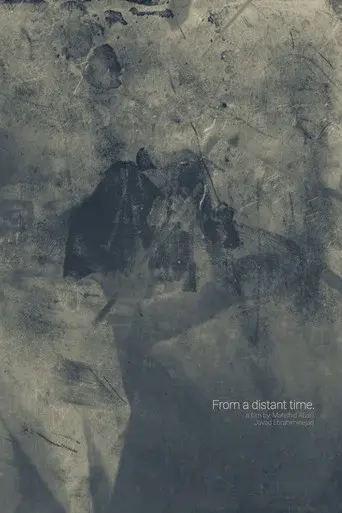
In the summer of 1900, the first film camera was purchased by Mozaffar ad-Din Shah Qajar for Iran, and immediately the first Iranian moving images were captured by this camera. These images, in an obsessive manner, have embodied the mesmerized gaze of people. In the span of 79 years since the purchase of this camera, Iran has undergone two revolutions and two coups, and throughout all these moments, the camera has been present as the recorder of people's mesmerized gazes. These mesmerized gazes are in a way as if they are the ones looking at us, not the other way around. It seems like these gazes are trying to convey something, but what? No one knows. Now, we gaze at those who have gazed at us from a distant time.
From a distant time.
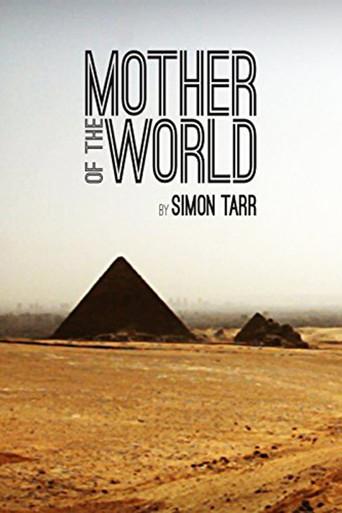
Six million tons, suspended by the slightest gesture. Mother of the World presents a series of brief vignettes of Cairo just prior to the 2011 Egyptian Revolution. These fragmented scenes choreograph class structure and foreign influence into an intimate, poetic view of a nation about to change.
Mother of the World
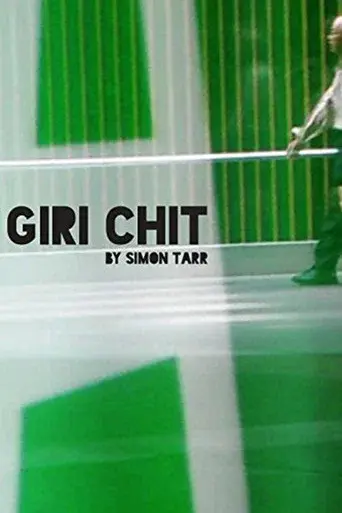
GIRI CHIT tells a tale of the subtle trace of irreconcilable worlds. A worker driving a mobile sweeper in hypnotic circles across an already immaculate surface. The high drama of cosplay aficionados clamoring to be seen. A cast of thousands toiling hundreds of feet above the street. Giri translates as ‘duty’ in Japanese, but the concept is in fact far more complicated. Giri is a sort of interpersonal political capital that informs careers, family relations, and much more. Its presence and flow is palpable in Japan, where this film was shot. A “giri chit” then may be a hypothetical voucher for this intangible flow (with a tip of the cap to Thomas Pynchon’s “Vineland”). Selected Screenings and Awards: DaVinci Film Festival (Best Experimental Film), Chicago Underground Film Festival, Athens International Film and Video Festival, Dallas Videofest, ICDOCS Film Festival, NewFilmmakers at Anthology Film Archives, Oxford Film Festival, Director’s Lounge Berlin
Giri Chit

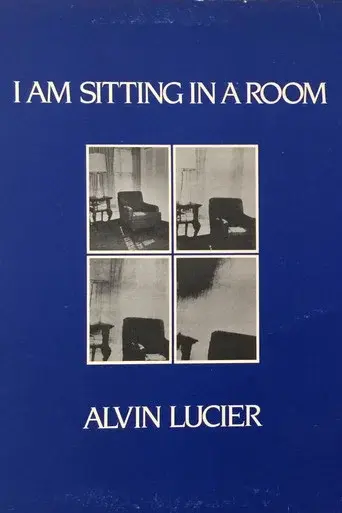
I am sitting in a room is a sound art piece by American composer and sound artist Alvin Lucier composed in 1969. The first performance of the work was in 1970 at the Guggenheim Museum in New York. In collaboration with his partner Mary Lucier. The piece features Lucier recording himself narrating a text, and then playing the tape recording back into the room while re-recording it. The new recording is then played back and re-recorded, and this process is repeated. Due to the room's particular size and geometry, certain resonant frequencies are emphasized while others are attenuated. Eventually the words become unintelligible, replaced by the characteristic resonance of the room.
I Am Sitting in a Room
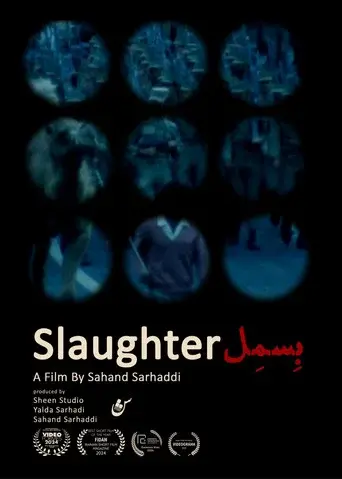
"Slaughter" is an experimental short film that delves into the archival and historical footage of the Iranian Revolution in 1979, depicting a symbolic narrative surrounding the ritualistic act of animal sacrifice, known as "Besmel." It serves as an allegorical representation of a nation's sacrifice amidst the backdrop of political transformations.
Slaughter (Besmel)
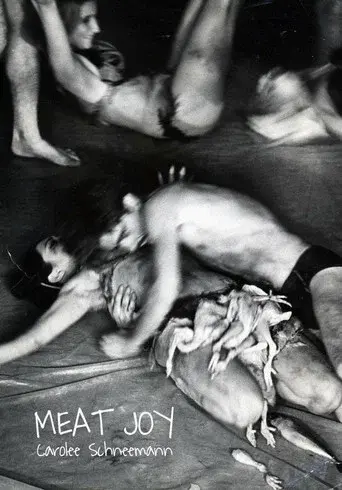
"Meat Joy is an erotic rite — excessive, indulgent, a celebration of flesh as material: raw fish, chicken, sausages, wet paint, transparent plastic, ropes, brushes, paper scrap. Its propulsion is towards the ecstatic — shifting and turning among tenderness, wildness, precision, abandon; qualities that could at any moment be sensual, comic, joyous, repellent. Physical equivalences are enacted as a psychic imagistic stream, in which the layered elements mesh and gain intensity by the energy complement of the audience. The original performances became notorious and introduced a vision of the 'sacred erotic.' This video was converted from original film footage of three 1964 performances of Meat Joy at its first staged performance at the Festival de la Libre Expression, Paris, Dennison Hall, London, and Judson Church, New York City."