

Variations on How to Farm a City
Original Title: “Variações sobre como cultivar uma cidade”
Overview
Sprout. In the vacant lots against the hammering of buildings always under construction, between walls of granite, cement and sheet metal with rust, moss and cats; on the hillside between the train and the river, next to the traffic on the highway, facing the subway, vegetable gardens sprout. In this city, the choreography of ancient gestures of cultivating the land is repeated day after day, without fail. Sowing, digging, harvesting, watering, eating, talking, resting and returning the next day. The longest day of the year brings S. João and nobody goes to bed, but when the sun rises, the discreet gestures of resistance will restart.
Key Film Crew
Production Stats
You May Also Like
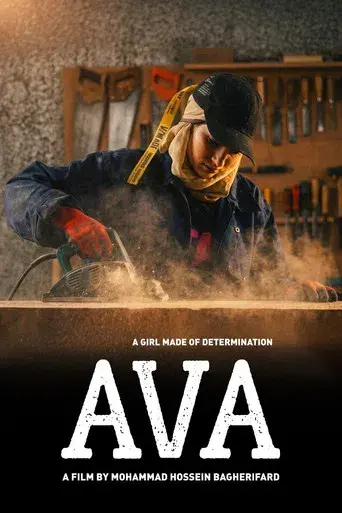
Breaking a centuries-old taboo, Ava stands as the first woman in Iran to master the male-dominated craft of carpentry. Within the grit and clamor of the workshop, she confronts a society that deems her presence forbidden. This observational documentary captures her daily battle against physical hardships and social judgment.
AVA

An atmospheric journey, following the unstoppable forces that shape this world. A story beyond humanity.
Atlas


Three basketball players step onto the court, each with a rhythm of their own. As their movements are studied and reimagined, their game is then recontextualized into jazz, revealing the artistry within sport and the music hidden in motion.
LIVE at the Court


These are the first images shot in the ALN maquis, camera in hand, at the end of 1956 and in 1957. These war images taken in the Aurès-Nementchas are intended to be the basis of a dialogue between French and Algerians for peace in Algeria, by demonstrating the existence of an armed organization close to the people. Three versions of Algeria in Flames are produced: French, German and Arabic. From the end of the editing, the film circulates without any cuts throughout the world, except in France where the first screening takes place in the occupied Sorbonne in 1968. Certain images of the film have circulated and are found in films, in particular Algerian films. Because of the excitement caused by this film, he was forced to go into hiding for 25 months. After the declaration of independence, he founded the first Algerian Audiovisual Center.
Algeria in Flames

After concluding the now-legendary public access TV series, The Pain Factory, Michael Nine embarked on a new and more subversive public access endeavor: a collaboration with Scott Arford called Fuck TV. Whereas The Pain Factory predominantly revolved around experimental music performances, Fuck TV was a comprehensive and experiential audio-visual presentation. Aired to a passive and unsuspecting audience on San Francisco’s public access channel from 1997 to 1998, each episode of Fuck TV was dedicated to a specific topic, combining video collage and cut-up techniques set to a harsh electronic soundtrack. The resultant overload of processed imagery and visceral sound was unlike anything presented on television before or since. EPISODES: Yule Bible, Cults, Riots, Animals, Executions, Static, Media, Haterella (edited version), Self Annihilation Live, Electricity.
FUCK TV
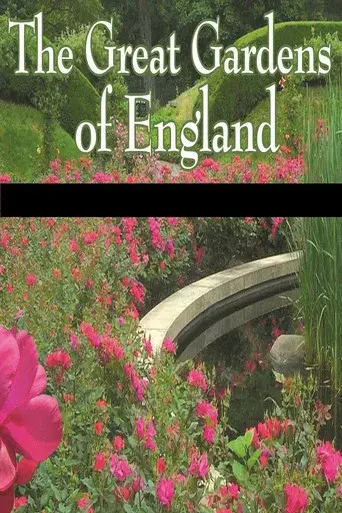
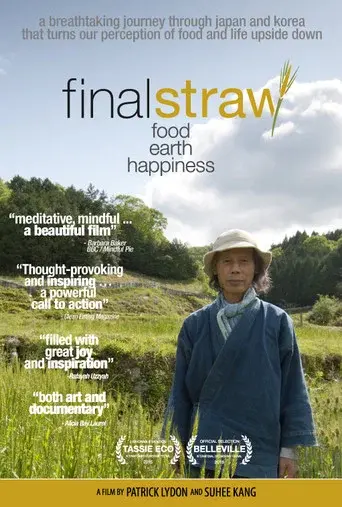
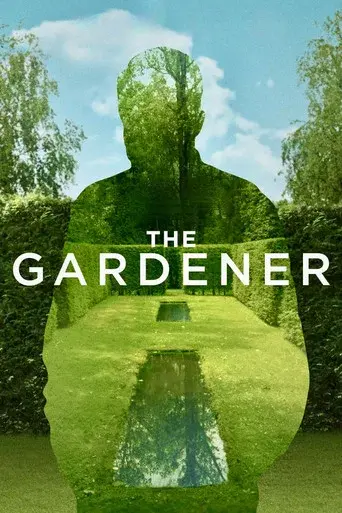
Created over 75 years and three generations, Les Quatre Vents stands as an enchanted place of beauty and surprise, a horticultural masterpiece of the 21st century. See how Frank Cabot gave birth to one of the greatest gardens in the world.
The Gardener
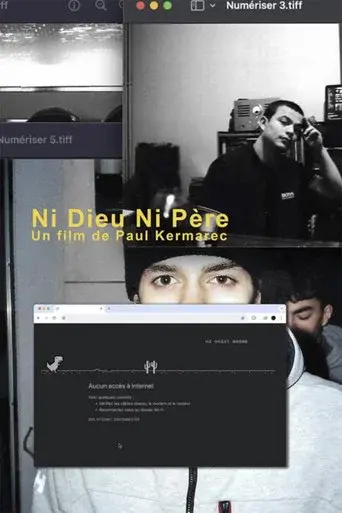
The film explores a young man's intimate relationship with the Internet. While the absence of a father figure has left him searching for answers, he finds an unexpected mentor in Google. From learning everyday tasks like shaving to discovering deeper knowledge, the algorithm becomes much more than a simple search engine, blurring the boundaries between real and virtual.
No God No Father
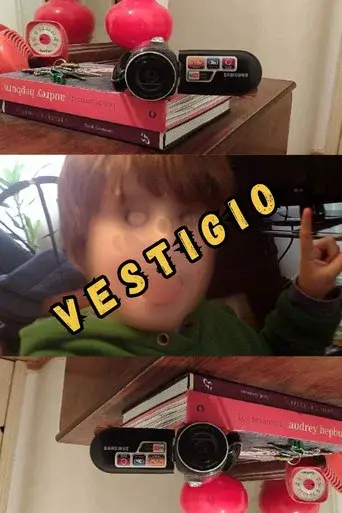
An experimental home documentary where you step inside the director's lens. A journey through his childhood via his own early recordings, exploring the origins of his craft and how that child’s gaze is still there, captured in time.
Vestígio
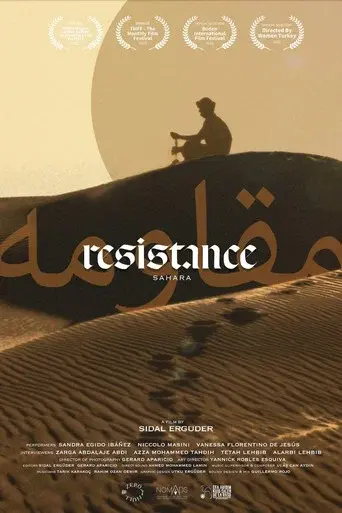
Resistance Sahara, a haunting yet playful exploration of the liminal space between experimental, documentary, and fictive filmmaking, presents an artistic response to the Sahrawi refugee crisis from the frozen war in Western Sahara. Bringing international artists from a mix of disciplines to the Sahara Desert, and with them will create something new, a response to what they encounter. The film mix testimony from the mouths of the people who live in each zone of crisis with music; image; and symbolism. The audience is invited to reconsider their view of the nature of human suffering, and to build a new bridge of empathy with the people in these remote and sometimes forgotten places..
Resistance Sahara
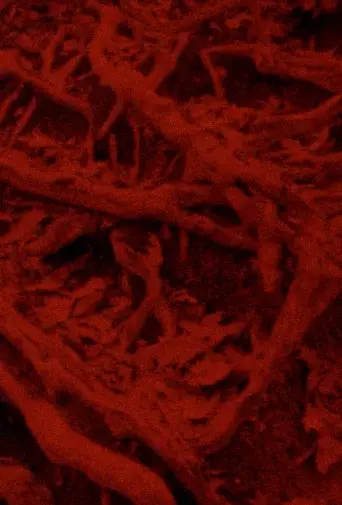
Bolivian artist and filmmaker Luciana Decker Orozco delves into ancient and essential acts: eating, masticating and digesting. Her suggestive celluloid slips through mouths, intestines and entrails, as well as experiments in the catacombs of the human being and the Earth. Inspired by the avant-gardist and indigenist Peruvian writer Gamaliel Chumata, the surface and the underground, the real and the extraordinary, mysteriously merge together.
Language of the Entrails
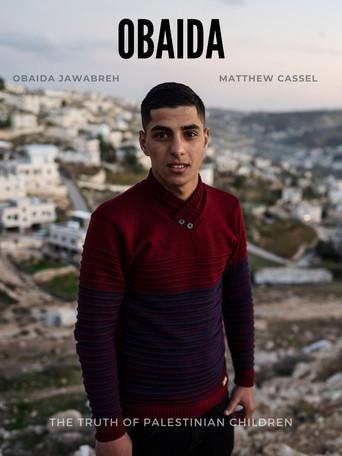
OBAIDA, a short film by Matthew Cassel, explores a Palestinian child’s experience of Israeli military arrest. Each year, some 700 Palestinian children undergo military detention in a system where ill-treatment is widespread and institutionalized. For these young detainees, few rights are guaranteed, even on paper. After release, the experience of detention continues to shape and mark former child prisoners’ path forward.