
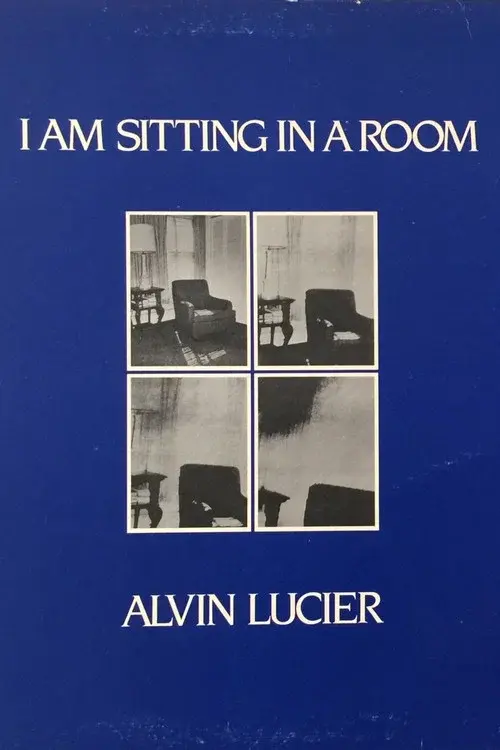
I Am Sitting in a Room
Overview
I am sitting in a room is a sound art piece by American composer and sound artist Alvin Lucier composed in 1969. The first performance of the work was in 1970 at the Guggenheim Museum in New York. In collaboration with his partner Mary Lucier. The piece features Lucier recording himself narrating a text, and then playing the tape recording back into the room while re-recording it. The new recording is then played back and re-recorded, and this process is repeated. Due to the room's particular size and geometry, certain resonant frequencies are emphasized while others are attenuated. Eventually the words become unintelligible, replaced by the characteristic resonance of the room.
Top Cast

Alvin Lucier
Himself
Key Film Crew
Production Stats
You May Also Like
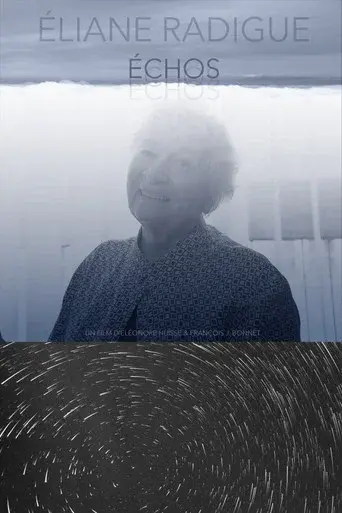
This new film approaches the world of French sound pioneer Éliane Radigue (*1932) from a perspective of close proximity. French filmmaker Eléonore Huisse and sound artist François J. Bonnet visit their friend Éliane’s home in Paris in times of social distancing and lockdown to explore questions pertaining to solitude, imagination, retreat, the inner voice and temporality – questions that resonate with Radigue’s work, philosophy and way of living as much as with the acute collective experience of suspension and isolation brought about by the ongoing COVID-19 pandemic.
Éliane Radigue – Échos
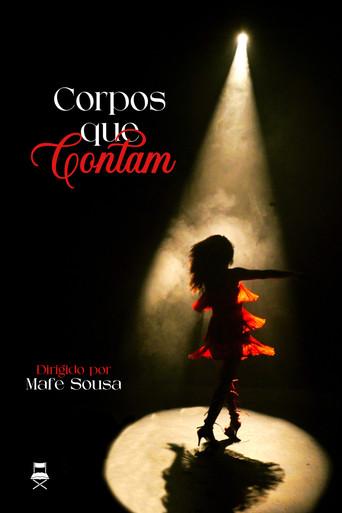
Samba, Popping, and Jazz. Through these dance styles and documentary interviews, Bodies That Tell Stories seeks to discuss the standardization and whitening of dances that had their roots in Black people.
Corpos que Contam

In "The New Gabbers" we follow three young gabbers in the run-up to hardcore festival Ground Zero in the Netherlands. The documentary paints a picture of the lively hardcore subculture through the personal stories of these 'new gabbers'.
The New Gabbers

Latest installment from the on-going collaboration between filmmaker Paul Clipson & musician Jefre Cantu-Ledesma. Paul's Super8 films, shot entirely in New York City, channel the blissed out states of color drenched psychadellia explored by Brakage as well as lovely black and white still life's that reminisce on Ozu's 'pillow shots' & Chantel Akermans monumental portrait of Pre-Giuliani New York 'Letters Home'. Jefre's music is culled from the same sessions that launched his 2007 release on Students Of Decay 'Shinning Skull Breath', (the two share a track in common). Billowy clouds of distorted guitar expand out into long passages of muffled static and fuzzed out melody.
Corridors
In 1988, art student Damien Hirst and a group of like-minded associates mounted an exhibition in a building in the East End of London. Entitled Freeze, it was a huge critical and commercial success, propelling Hirst and the group into the spotlight of the avant-garde. More than five years later, Hirst exhibits to international acclaim and is regularly derided in the tabloid press. This portrait of Hirst, which resumes the Omnibus season, is presented as a drug-induced nightmare after Hirst has been put to sleep by a sinister dentist, played by Donald Pleasence. In between interviews with fellow Freeze artists including Angus Fairhurst , Sarah Lucas and Tracey Emin , Hirst is seen preparing Mother and Child Divided, his work for last year's Venice Blennale. The piece consists of a cow and a calf, each sawn in half, pickled in formaldehyde and exhibited in four tanks.
Freeze: But is it Art?

A lone woman is forced to confront her body whilst those around her voice their experiences living in their own skin. Experimental short film where sound and music is placed on equal footing with the visuals.
SKIN

Leevi Pienihäkkinen’s tight experimental short documentary Peace and Silence dives into the Helsinki night, exploring the darkened city with fresh eyes. The familiar spots of the city centre flash in the images, but something is different. The everyday becomes weird, details vanish, lights shine taking over everything around them. Humans remain anonymous and faceless, silhouettes against the backdrop of the dark city.
Peace and Silence

This short experimental diary film reveals my struggles with mental illness in my adolescence and queer adulthood while simultaneously reflecting upon my joyous childhood experiences. I investigate when and how my depression began and explain that my relationships with the people I love have supported me through my harder times. The film incorporates footage shot over May and June 2023 and archival home videos. Overall, I aim to resolve my "growing pains" through the medium of diary film and by reconnecting with my younger self.
Layering
A short documentary and character study about a woman's complex relationship with religion and family.
Let Me Do No Harm


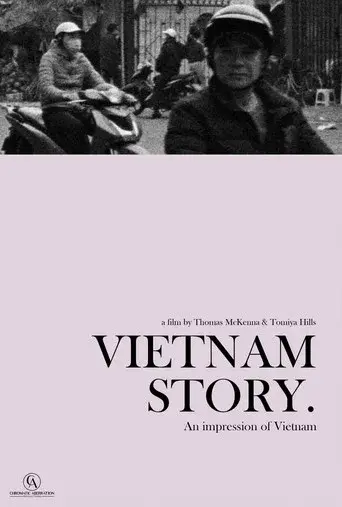
A cinematic impression of Vietnam, told through the eyes of Vietnamese immigrants.
Vietnam Story

Cranes and Voices follows, on one side, people who hear voices and share their daily lives, and on the other, a collective of tenants who investigate their neighbourhood through its noises, its vibrations and its construction sites. The film moves through apartments, streets, meetings and moments of sound creation, where voices, urban noises and recorded materials are transformed into collective sound compositions and spaces for exchange. Sound appears here as an ambivalent force, at once invasive and generative, shaping the way we inhabit the city, other people and ourselves. Cranes and Voices invites us to pay attention to these singular listening experiences, to hear what they reveal about the housing crisis, about how mental health is viewed and about the ways we organise our shared spaces.
Cranes and Voices

Marie-Hélène, my mother, is retiring and takes with her her memories, her anxieties and the mental burden of having raised three children while working full time. As she works her last shift as a home nurse, her thoughts jostle and harmonize in a whirlwind similar to a panic attack.
Maman

On April 1st, 2022, my grandfather passed away and i felt lost. I think my path changed when, some days after he passed away, i was offered a small VHS camera. "Moving Memories" is a visual journey that makes the viewer reflect on our momentary presence on earth and questions the nature of memory. Throughout this journey, we get to the conclusion that memories are more than just static photographs in our minds, they're alive and in constant movement, changing while we evolve as individuals. These memories have influence and help us to move on.
Moving Memories
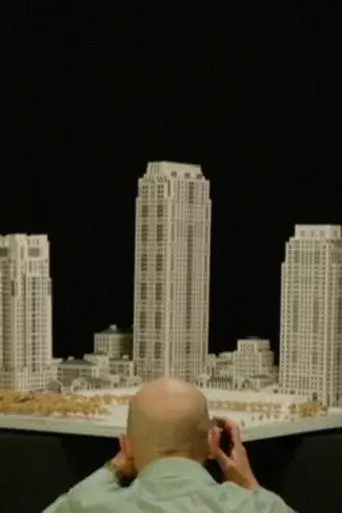
Amie Siegel’s film installations often reveal the hidden narratives behind architecture and design, investigating the mechanisms by which objects, materials, and spaces accrue meaning and value. The Architects examines the processes of architectural creation, using the artist’s signature slow, parallel tracking shots to offer insight into the inner workings of multiple architecture firms, slicing through them laterally like an architect’s section plan... Siegel not only punctures the myth of the singular “master architect” but also poses questions around creative autonomy, the sociopolitics of labor, and the circulation of capital. (Source: MoMA)