AGULHA
Overview
No overview summary available for this movie.
Key Film Crew
Production Stats
You May Also Like
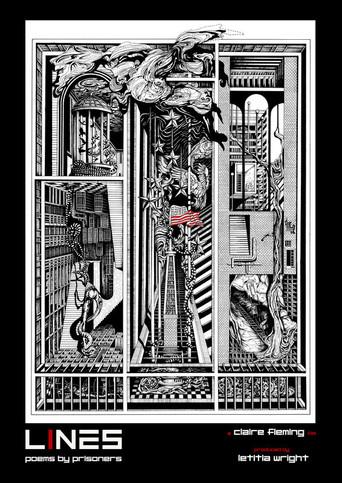
Six poems written by six young prisoners animated to tell their stories, thoughts, fears and hopes.
Lines
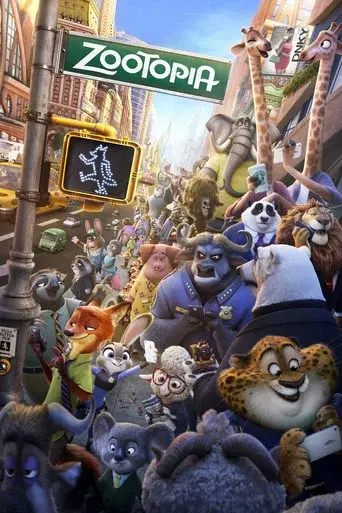
Determined to prove herself, Officer Judy Hopps, the first bunny on Zootopia's police force, jumps at the chance to crack her first case - even if it means partnering with scam-artist fox Nick Wilde to solve the mystery.
Zootopia
An Editor recounts the diaries of a failed film production as they attempt to construct a new narrative from the remaining footage.
The Ongoing Conversation
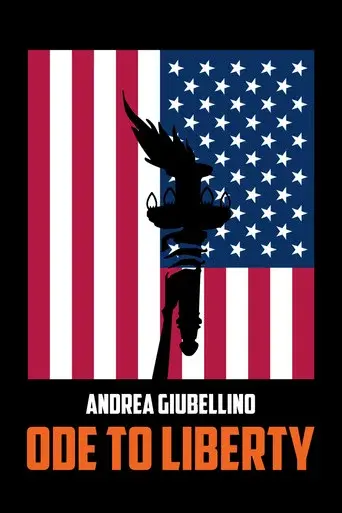
Short documentary consisting of archival footage and movies that depict the birth of the United States of America, from the Boston tea party to the Spanish American war
Ode to liberty
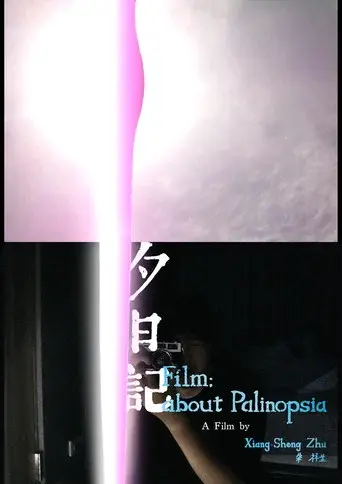
Graduation is approaching, marking the close of a chapter. I took my camera to Green Island, recording video letters day by day. But the camera became unruly, backup batteries went missing, and the trip began to go downhill. Typhoons arrived, and the video letters ceased... Finally, facing the sea beneath the sun, my camera non-responsive, I took a Dramamine, then boated back home.
Film; about Palinopsia
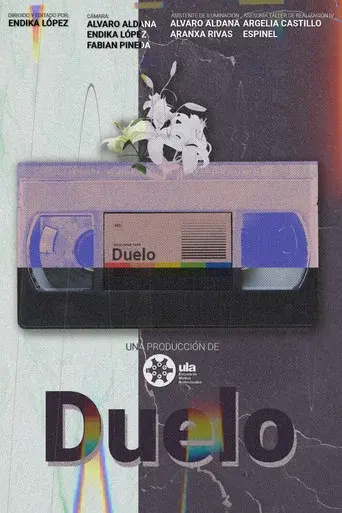
The short film follows Endika, a director who, in the midst of a clash with his reality, transforms a documentary about paternal absence into a personal quest for reconciliation with his own father.
Duelo

The animation, music, and optical printing of Kitsch in Synch was produced by Beckett and the students in two classes he was teaching at CalArts. Although a group project, it is clear that Beckett was the director. The playful, catchy soundtrack is used to create a cycle of building tension and release. The brightly colored shapes create approximate symmetrical formations and become more densely layered, with glimpses of iconographic objects and even live footage near the end. Preserved by the Academy Film Archive, in partnership with the iotaCenter, in 2007.
Kitsch in Synch
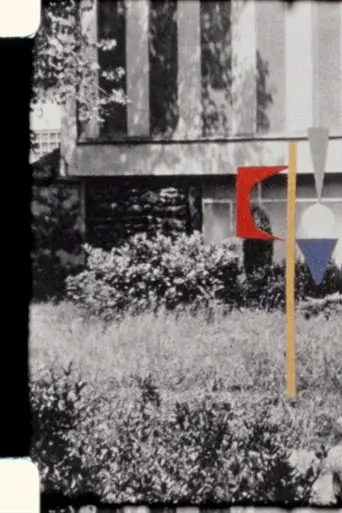
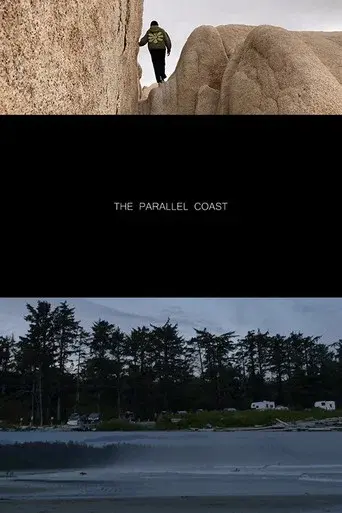
A story of The Map and The Territory. Shot in BC, California, and Nevada. Original music by Tashi Townley, Jack Brintnell, Luc Wiebe, and George Lee.
The Parallel Coast
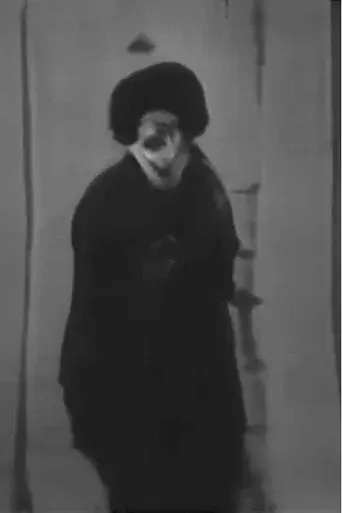
Gan Escapism is an experimental short film by Ukrainian-born artist Anna Malina. The film was crafted using a Generative Adversarial Network (GAN) to create a unique and captivating visual experience that blends abstract illustrations and evading sounds to create a surreal and thought-provoking piece of art.
Gan Escapism

One day, as you leave work and head home, something unexpected happens. Everywhere you go, paths begin to open and multiply. You can go anywhere you want, and with each place you choose, a new version of yourself emerges. You begin to disappear and in that disappearance you feel free: no longer being one, but becoming another, becoming many others. Individual experience gives way to the collective. A constant search for a place in the world. Walking toward the other, toward the unknown—yesterday, today, and tomorrow.
Antes do Nome

"We Go Past Future" is an experimental paper collage film by Anna Malina. The film reimagines a series of Soviet films from 1919 to 1953, blending them into a unique visual narrative.
We Go Past Future
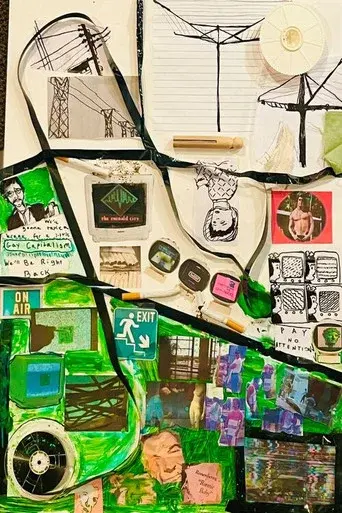
A continuously running two-channel installation, presented on 9" and 13" CRT monitors atop pedestals and overlooked by a green Kit-Cat clock. The smaller CRT bears a painted green square and is framed by a pair of crossed silver opera gloves, at whose intersection rests a vintage push-puppet of two boxers sharing a single red stand. Together, the two monitors display distinct video collages interweaving footage from Emerald Square Mall and the strike during its 1989 construction with remixed interferences from Channel J's Emerald City TV (1976–1979), Huge Video's Heat in the Night (1989), Genet's Un Chant d'Amour (1950), various cigarette commercials, The Wizard of Oz (1939), and a performance of a mylar-clad entity wrapping one of the televisions in videotape. The work has most frequently circulated publicly through its primary video channel.
Emerald ▣
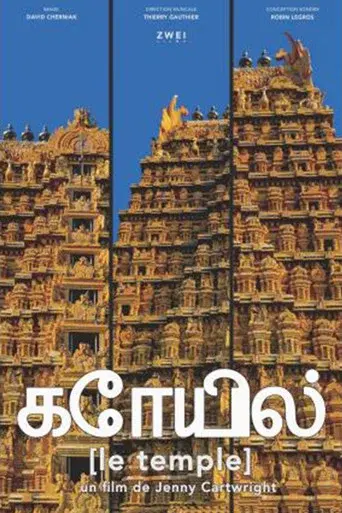
Part ethnographic film and part experimental film, கோயில் (The Temple) is a hybrid piece of cinematography that questions the act of observing.