

Siren: The Voices of Shelley Beattie
Overview
Shelley Beattie, a Deaf woman and champion bodybuilder, found fame in the 1990s on the hit TV show American Gladiators, where she competed under the name "Siren" before her untimely death in 2008. While charismatic, gorgeous, and a fierce competitor, Beattie also battled personal demons, struggling with mental illness, addiction, and questions of her own identity. Framed by the insight of another Deaf woman in Hollywood who found herself in the spotlight at the same time, Academy Award-winning actress Marlee Matlin, the documentary unpacks the story of Shelley "Siren" Beattie and her complex legacy entwined with beauty, mental illness, and love.
Top Cast

Shelley Beattie
Self (archive footage)

Marlee Matlin
Self
John Romano
Self
Ed Connors
Self
Bill Koch
Self
Julie Moisa
Self
Key Film Crew
Production Stats
You May Also Like


Documentary without audio produced by deaf people. Music is depicted visually with the complete absence of musical instruments or voices. Directed by Makihara Eri and choreographer Dakei. With a diverse lineup including ordinary deaf people with zero acting experience and a choreographer who performs in Japan and abroad, this film pulls out all the tops to give visual expression to music through the physical body. An aging man uses multiple sign language poems to convey the four seasons, and a girl expresses the wind amidst the rustling trees.
Listen

DEAF IDENTITY explores the diverse and nuanced experiences of Deafness through a series of enlightening conversations with Deaf people who have embraced their own unique identities.
Deaf Identity

Children of Deaf Adults, known as CODA, are caught in the middle, between the deaf and the hearing, between isolation and community, and between childhood and adulthood. Through the stories of three CODAs, discover how the unique upbringing of hearing children born to deaf parents can be considered both a burden and an opportunity and how it shapes who they are and who they become. Also hear from the parents themselves about how their condition unwittingly puts an impossible weight of responsibility on their children, who are forced into adulthood from the moment they learn to talk. Mother, Father, Deaf offers a previously unseen portrayal of contemporary reality for deaf families. Their stories, while deeply personal, mirror the experiences of CODAs around the world.
Mother, Father, Deaf
Spring is coming. Deaf-mute girl and boy feel the warmth of the sun on their faces, the air is flooded with light. The world of these young people lacks sound and their language is different, but they are happy about spring and each other.
Talking Hands

Because Quebec Sign Language cannot be captured on paper, videography has revealed itself to be the best way to represent this visual language. The first ‘comic strip’ in sign language, the film depicts snatches of conversations between various deaf and hearing protagonists. A visit to a silent world, where the hearing impaired ask us to listen to them.
It Fell on Deaf Ears

Six deaf performers share struggles and dreams of a new Deaf generation. These poetic self-portraits in sign language show empowerment and confidence, and the vulnerabilities that come with being different.
Imaginings

A filmmaker sets out to discover the life of Joyce Vincent, who died in her bedsit in North London in 2003. Her body wasn't discovered for three years, and newspaper reports offered few details of her life - not even a photograph.
Dreams of a Life
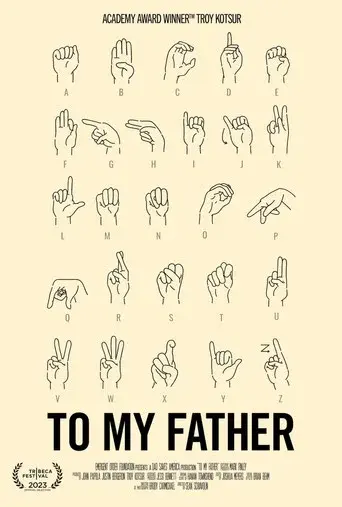
To My Father depicts Deaf actor Troy Kotsur's journey to winning an Oscar and his father's inspiring influence on him, despite a tragic accident.
To My Father
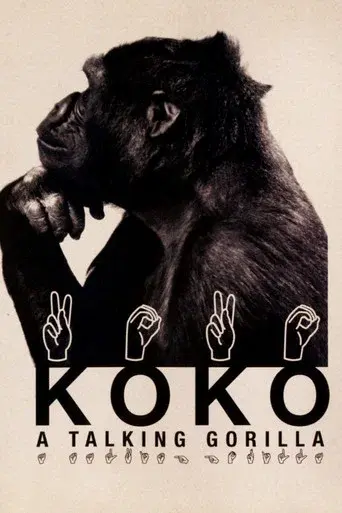
A documentary that follows Dr. Penny Patterson's current scientific study of Koko, a gorilla who communicates through American Sign Language.
Koko: A Talking Gorilla
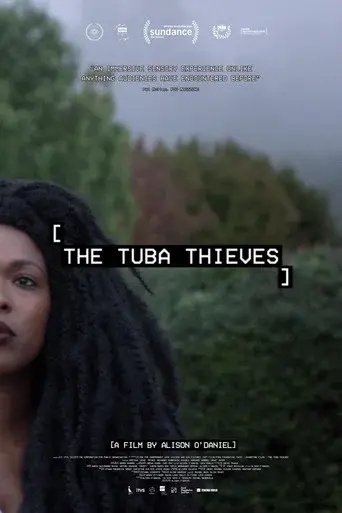
A spate of robberies in Southern California schools had an oddly specific target: tubas. In this work of creative nonfiction, d/Deaf first-time feature director Alison O’Daniel presents the impact of these crimes from an unexpected angle. The film unfolds mimicking a game of telephone, where sound’s feeble transmissibility is proven as the story bends and weaves to human interpretation and miscommunication. The result is a stunning contribution to cinematic language. O’Daniel has developed a syntax of deafness that offers a complex, overlaid, surprising new texture, which offers a dimensional experience of deafness and reorients the audience auditorily in an unfamiliar and exhilarating way.
The Tuba Thieves
Unseen footage from the British Deaf Association archives is used to tell the story of the Deaf community's fight for civil rights.
Power In Our Hands

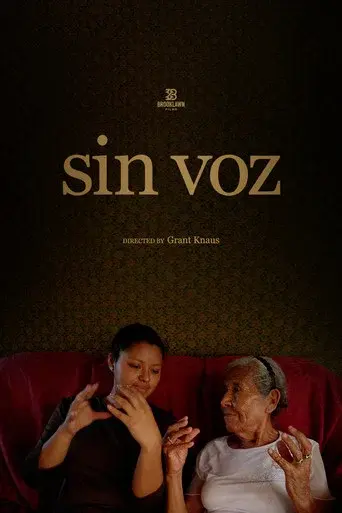
Told almost entirely without spoken words, this film unfolds in the language of its subjects: Guatemalan Sign Language. In a country where more than 850,000 Deaf people receive little institutional support, silence becomes both a barrier and a form of connection. Through classrooms, homes, and everyday life, the film observes a community building its own means of understanding and belonging. Among those leading the way are Melkin, Dairy, and Jonathan, the teachers, students, and leaders within Guatemalan Deaf Ministries, where the language of hands has become the language of hope.