I'll Come to You with Deaf Eyes
Original Title: “J'avancerai vers toi avec les yeux d'un sourd”
Overview
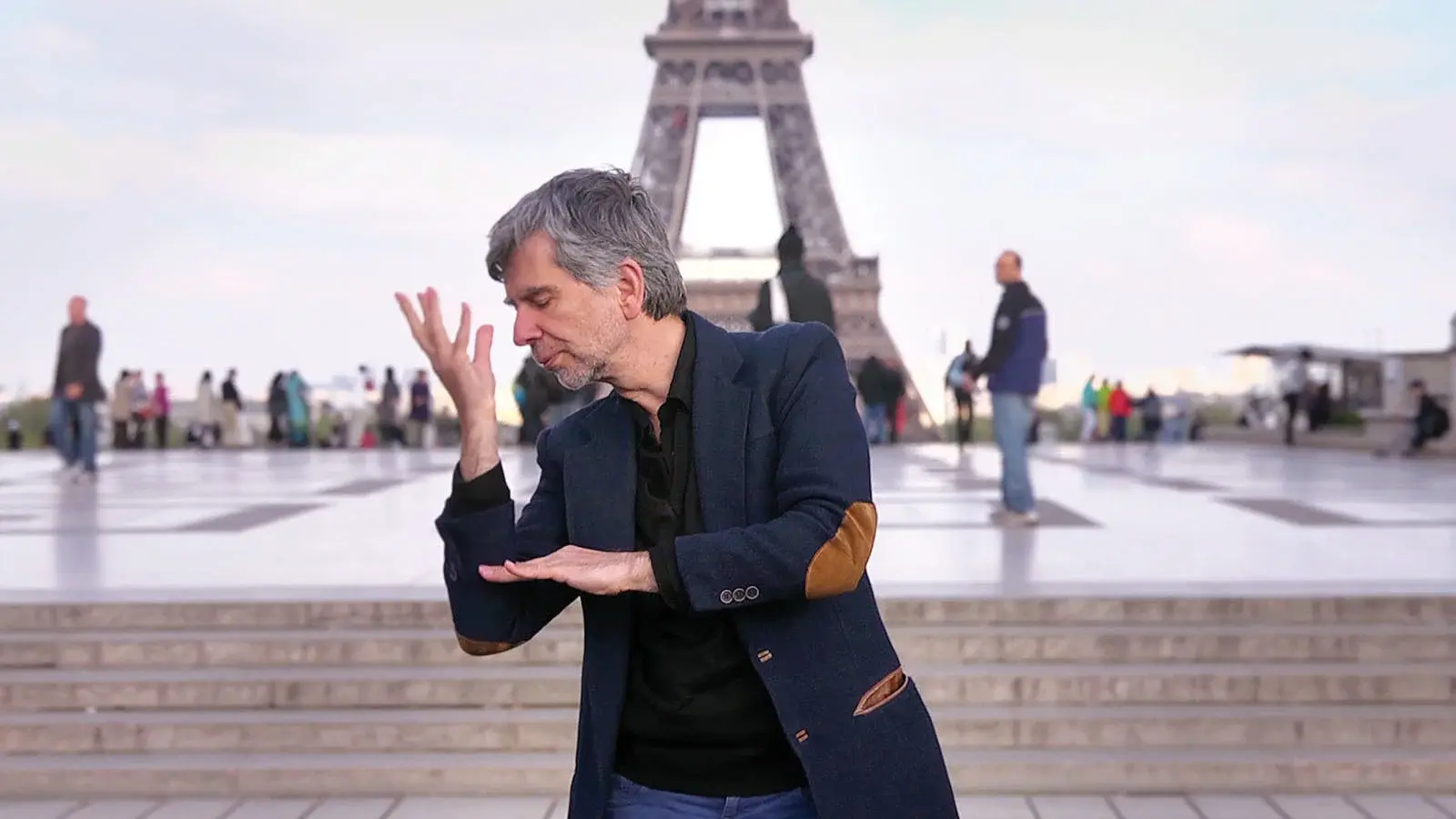
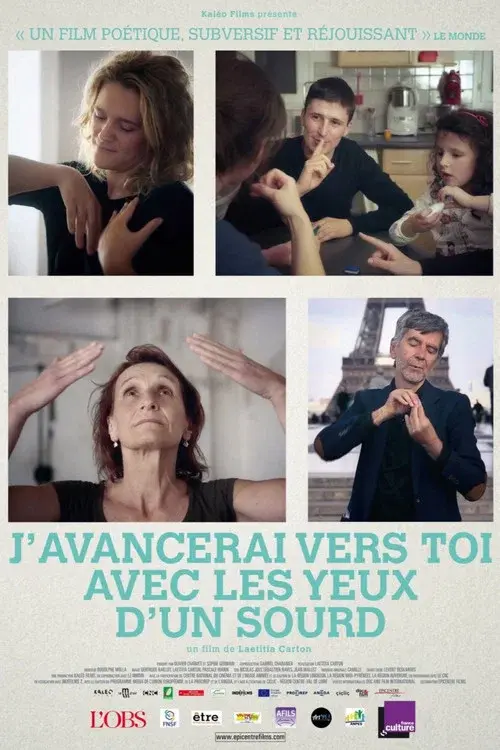
This film is a letter to my friend Vincent who died ten years ago. Vincent was Deaf. He introduced me to his language, his culture, his world. Through Vincent ‘s life, the film will examine the roots of the distress that plagues the Deaf, and also explore a rich and fascinating world, a people that struggles to preserve its Sign Language and Culture.
Top Cast

Levent Beskardes
Chansigneur
Key Film Crew
Production Stats
You May Also Like
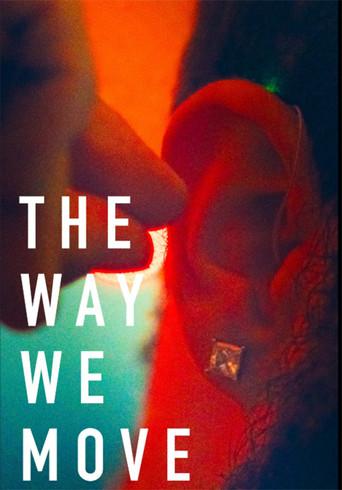
Amber Galloway, a trailblazer in ASL interpretation, takes us on a journey into the deep bond between the Deaf world and music. We follow her as she teaches struggling recruits who she hopes will have what it takes to join her at ACL music festival.
The Way We Move

Jill and Michael Stark are both deaf, as are their two children. Stuck between two cultures and wanting the best future for their children, they make the controversial choice for both of their children to undergo surgery for cochlear implants. They are part of only a handful of deaf parents in the US to choose implants for their children. After this seven year journey, was the result of the cochlear implant what they had hoped for?
Louder Than Words

Documentary without audio produced by deaf people. Music is depicted visually with the complete absence of musical instruments or voices. Directed by Makihara Eri and choreographer Dakei. With a diverse lineup including ordinary deaf people with zero acting experience and a choreographer who performs in Japan and abroad, this film pulls out all the tops to give visual expression to music through the physical body. An aging man uses multiple sign language poems to convey the four seasons, and a girl expresses the wind amidst the rustling trees.
Listen
Through intimate stories and day-to-day routines we get a naturalistic glimpse into the lives of individuals with disabilities in the bustling urban landscape of São Paulo. The film captures personal moments and how modern societies confront (or fail to confront) ableism and inclusion.
Ableism in São Paulo
Nathan Quinell is a fully trained chef… he also happens to be legally deaf and blind. That’s never stopped him from chasing his dreams to become a full-time cook, but now Nathan must prove himself to his peers, his students and potential employers.
Plating Blind

Spring is coming. Deaf-mute girl and boy feel the warmth of the sun on their faces, the air is flooded with light. The world of these young people lacks sound and their language is different, but they are happy about spring and each other.
Talking Hands


In his heartfelt documentary, co-director and subject Elad Cohen explores the meaning and experience of family. Growing up deaf and gay in a family of hearing people, Cohen never felt at home and always felt alone. That feeling of estrangement was exacerbated during his adolescence by the sudden death of his mother and the subsequent rift with his father as the family scattered in different directions. Cohen creates a sense of family with a small group of friends, including his best friend, Yaeli, a deaf woman. While he wants a child and a life partner, he fears that he won’t find the right man in the small deaf community in his “sweet little country.” Sharing a desire with Yaeli to be parents, the new “couple” decide to have a child in a shared parenting arrangement.
The Sign for Love
DEAF IDENTITY explores the diverse and nuanced experiences of Deafness through a series of enlightening conversations with Deaf people who have embraced their own unique identities.
Deaf Identity

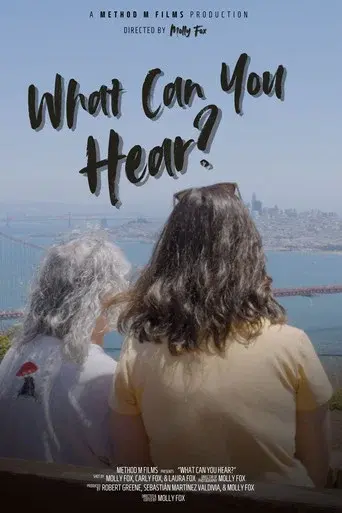
Grappling with a genetic hearing loss disorder, a young filmmaker seeks answers for how to cope with her inevitable deafness. To connect with her hearing-impaired family, she embarks on a road trip across the country with her grandma, mother, and sister in search of her great-grandmother’s memorial. Along the drive, the three generations explore their past, present, and future on the road to silence. Directed by Molly Fox Director Molly Fox won Best Director for the film at the Stronger Than Fiction Film Festival, and the film was nominated for Best Documentary at the Texas Short Film Festival.
What Can You Hear?
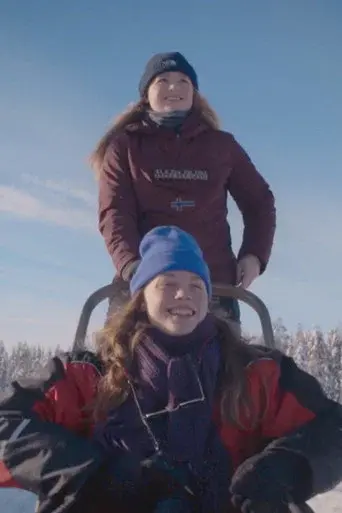
Lotte (18) and Roos (16) are sisters and both have Usher syndrome. That means they will soon become deaf and blind. It is not known how fast that will go, but they already see and hear a lot worse than their peers. How do these two high-spirited girls deal with their development into adulthood, while the time bomb of deafness and blindness ticks inexorably? They are not deterred from getting the most out of life: Lotte is studying to become a photographer and Roos is passing her final exams. At the same time, they also want to do a few things before it is too late, such as seeing the Northern Lights with their own eyes. Director Kim Smeekes followed Lotte and Roos for the film for two years.
Before it gets dark
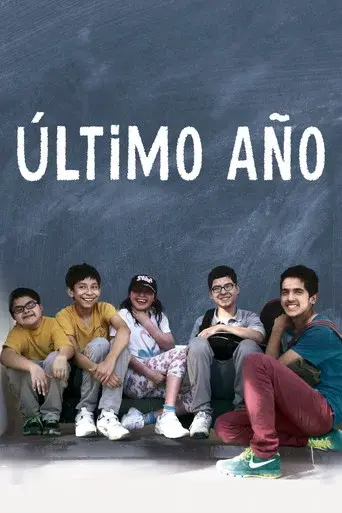
A group of deaf friends that attend a public school, where they have been classmates since the age of two, live their final year together. As the school year advances they get prepared to confront their biggest fear: attending a school of hearers.
Last Year
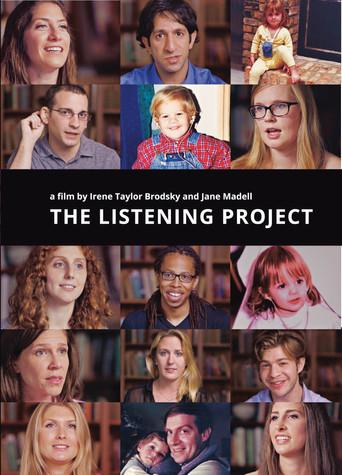
The profound impact of technology on the lives and identities of young deaf adults is explored in The Listening Project. Fourteen deaf people tell stories beginning with a childhood wide-eyed about sound, into the growing pains of adolescence and, eventually, their professional lives. Sometimes humorous, always tender, The Listening Project is a timely coming of age story, one we haven't heard before.
The Listening Project
Gifted musician Marshall and his wife Terry, a communication professor, were excited to welcome their newborn into their world. But because of her deafness--they had to enter hers instead.
In a Silent World
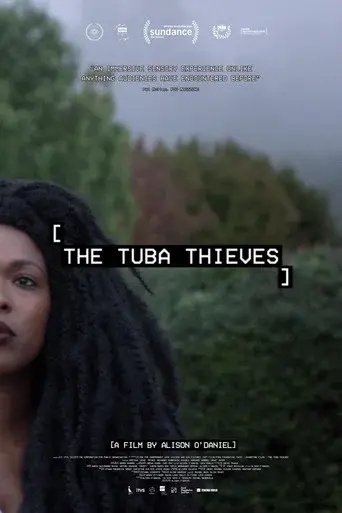
A spate of robberies in Southern California schools had an oddly specific target: tubas. In this work of creative nonfiction, d/Deaf first-time feature director Alison O’Daniel presents the impact of these crimes from an unexpected angle. The film unfolds mimicking a game of telephone, where sound’s feeble transmissibility is proven as the story bends and weaves to human interpretation and miscommunication. The result is a stunning contribution to cinematic language. O’Daniel has developed a syntax of deafness that offers a complex, overlaid, surprising new texture, which offers a dimensional experience of deafness and reorients the audience auditorily in an unfamiliar and exhilarating way.