

Puno sí es el Perú
Overview
On January 9, 2023, in Puno, at the height of peaceful protests against the government of Dina Boluarte, police killed 21 protesters.
Top Cast

Cecilia Méndez
Ella misma
José Luis Rénique
Él mismo
Key Film Crew
Production Stats
You May Also Like

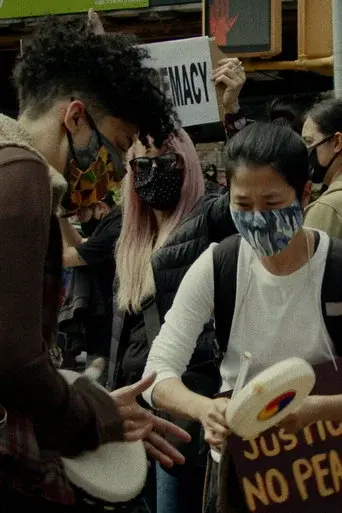
In the face of AAPI violence, an intergenerational coalition of Black, Indigenous, Latinx, Asian, People of Color organizers come together to organize a march across historic Washington Heights and Harlem, as a continuation of the historic and radical Black and Asian solidarity tradition.
People Unite!
Initially embarking on an unplanned personal filmmaking project, Ilias Boukhemoucha finds himself drawn to the overlooked corners and marginalized communities within Canadian cities.
BETWEEN

Sami reindeer herders win a Supreme Court victory against Europe’s largest wind farm - but when the state refuses to act, their fight reveals a deeper crisis of justice and trust.
Let Our Mountains Live
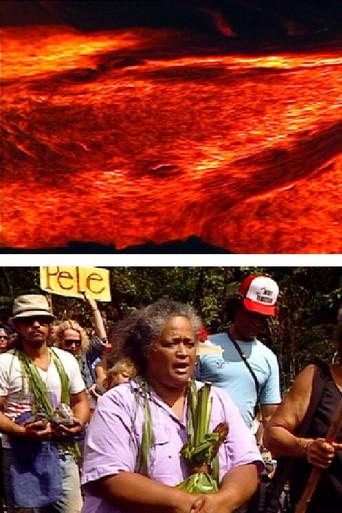
In the swirling volcanic steam and misty rain forest of Kilauea volcano’s east rift zone on the island of Hawai’i, two forces meet head on. Geothermal development interests, seeking to clear the rain forest for drilling operations, are opposed by native Hawaiians seeking to stop the desecration of the fire goddess, Pele. Pele is a living deity fundamental to Hawaiian spiritual belief. She is the eruption, with its heat, lava and steam. Her family takes the form of forest plants, animals and other natural forces. But geothermal development interests see Pele as simply a source of electricity. When Hawaiians take the issue to court, they find that nature-based religions are not respected by U.S. law.
Pele's Appeal

Ompung Putra Boru, a sixties indigenous Batak woman from Humbang Hasundutan, North Sumatra, retraces her life stories through photographs that interweave her past and present as a wife, mother, healer and indigenous land defender in two neighboring villages. Her multi-layered stories are juxtaposed with visual records of everyday life in the two villages, where people’s living space is still increasingly threatened by a giant pulp expansion.
Motherland Memories

In this era of “reconciliation”, Indigenous land is still being taken at gunpoint. Unist’ot’en Camp, Gidimt’en checkpoint and the larger Wet’suwet’en Nation are standing up to the Canadian government and corporations who continue colonial violence against Indigenous people. The Unist’ot’en Camp has been a beacon of resistance for nearly 10 years. It is a healing space for Indigenous people and settlers alike, and an active example of decolonization. The violence, environmental destruction, and disregard for human rights following TC Energy (formerly TransCanada) / Coastal GasLink’s interim injunction has been devastating to bear, but this fight is far from over.
Invasion

This documentary addresses the legacy of the military dictatorship in Chile by sharing the story of young fighters killed by the Pinochet regime as a backdrop to the history of the military dictatorship and the ongoing social conflict in that area. The larger story unfolds in three shorter parts, which explore the student movement, the history of the towns that became centers of armed resistance against the dictatorship, and the indigenous Mapuche conflict.
The Chicago Conspiracy
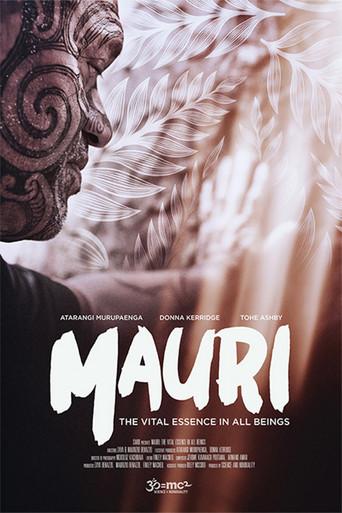
Mauri (life principle, life force, vital essence inherent in all living things) The film is an intimate, visually stunning testament to a land and a people who have survived removal, exploitation and colonization — and to the healing ways that are part of the Māori ancestral knowledge. It juxtaposes the enduring trauma of colonialism with the resilience offered through Māori ancestral healing traditions.
Mauri

This illuminating film documents the largest radioactive waste spill in U.S. history - a national tragedy that received little attention. With the sound of a thunderclap, 94 million gallons of water contaminated with uranium mining waste broke through a United Nuclear Corporation storage dam in 1979. The water poured into the Puerco River in New Mexico - the main water supply for the Navajo Indians that live along the river, and a tributary of the major source of water for L.A. Navajo ranchers, their children, and farm animals waded through the river unaware of the danger. The River That Harms tells the story of this tragedy and the toll it continues to take on the Navajos, who lost the use of their water. To the Navajos, this event is also a prophetic warning for all humanity.
The River That Harms

This short documentary revisits Mi’kmaq territory, where an iconic moment was captured in 2013—igniting into a symbol of Indigenous resistance and halting fracking exploration on unceded lands.
Feather Fall
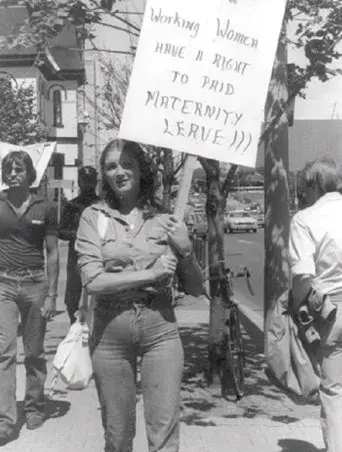
The video documentary "A Struggle to Remember: Fighting for Our Families" puts faces and narratives to the story of the struggle for family leave in Canada. The 20-minute film shows how it became accepted that women be able to return to their jobs after maternity leave and how men and women gained real and enforceable work-life balance provisions.
A Struggle to Remember
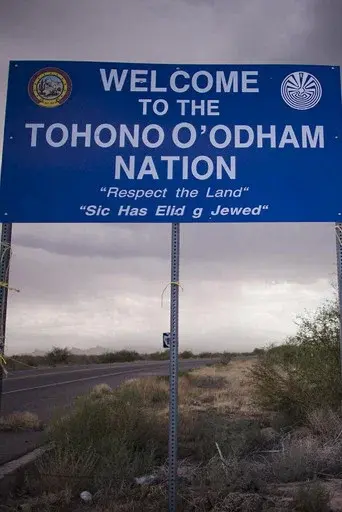
Ofelia Rivas (Tohono O’odham) was born and raised just north of the US-Mexico border, the traditional territory of the Tohono O’odham. Today, tribal members live on both sides. From threats of new border infrastructure to stricter entry laws, can Ofelia and her people’s traditional way of life survive?
Border Nation
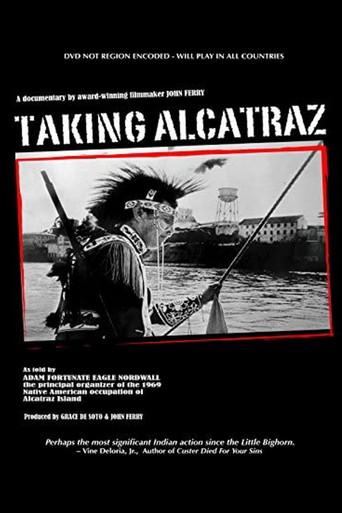
A documentary account by award-winning filmmaker John Ferry of the events that led up to the 1969 Native American occupation of Alcatraz Island as told by principal organizer, Adam Fortunate Eagle. The story unfolds through Fortunate Eagle's remembrances, archival newsreel footage and photographs.
Taking Alcatraz
Combining ecological imperatives, unique land narratives, cultural folklore, ancestral agricultural traditions, and farming practices side by side using a dual-channel video projection aims to explore how ecological concerns in disparate contexts can unveil a third realm for reflection within poetic and empathetic frameworks. The video serves as tangible evidence of our collective journey as beings, extending local contexts and conveying local socio-ecological imperatives to distant settings, fostering dialogues both on and off the ground.
Aadara

Ginger Côté uses the words of Heather Archibald, an activist who grew up in foster care and who died, to honor the memory of the young woman and also to advocate for a change in policies towards First Nations.