Border Nation
Overview
Ofelia Rivas (Tohono O’odham) was born and raised just north of the US-Mexico border, the traditional territory of the Tohono O’odham. Today, tribal members live on both sides. From threats of new border infrastructure to stricter entry laws, can Ofelia and her people’s traditional way of life survive?
Key Film Crew
Production Stats
You May Also Like


Ompung Putra Boru, a sixties indigenous Batak woman from Humbang Hasundutan, North Sumatra, retraces her life stories through photographs that interweave her past and present as a wife, mother, healer and indigenous land defender in two neighboring villages. Her multi-layered stories are juxtaposed with visual records of everyday life in the two villages, where people’s living space is still increasingly threatened by a giant pulp expansion.
Motherland Memories

Sami reindeer herders win a Supreme Court victory against Europe’s largest wind farm - but when the state refuses to act, their fight reveals a deeper crisis of justice and trust.
Let Our Mountains Live
Set against the sweeping landscapes of the Flathead Indian Reservation, the film highlights skateboarding’s power to build community, foster confidence, and challenge stereotypes. More than a skateboarding film, it becomes a vibrant portrait of young people who get back up every time they fall.
Paving the Way
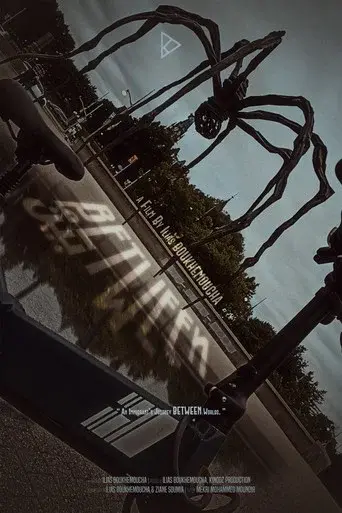
Initially embarking on an unplanned personal filmmaking project, Ilias Boukhemoucha finds himself drawn to the overlooked corners and marginalized communities within Canadian cities.
BETWEEN

A Video about a horse race held every year, during the second week of August, in Omak, Washington as a part of the Omak Stampede, a rodeo. Held for more than 70 years, the race is known for the portion of the race where horses and riders run down Suicide Hill, a 62-degree slope that runs for 225 feet (69 m) to the Okanogan River.[1] Though the race was inspired by Indian endurance races, the actual Omak race was the 1935 brainchild of a local Omak business owner.
The Omak Suicide Race
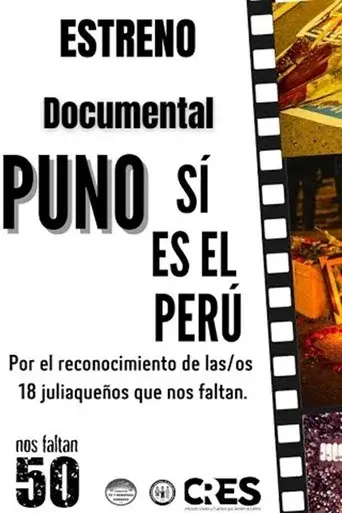
On January 9, 2023, in Puno, at the height of peaceful protests against the government of Dina Boluarte, police killed 21 protesters.
Puno sí es el Perú
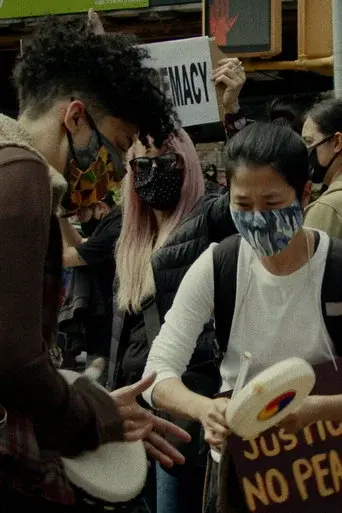
In the face of AAPI violence, an intergenerational coalition of Black, Indigenous, Latinx, Asian, People of Color organizers come together to organize a march across historic Washington Heights and Harlem, as a continuation of the historic and radical Black and Asian solidarity tradition.
People Unite!
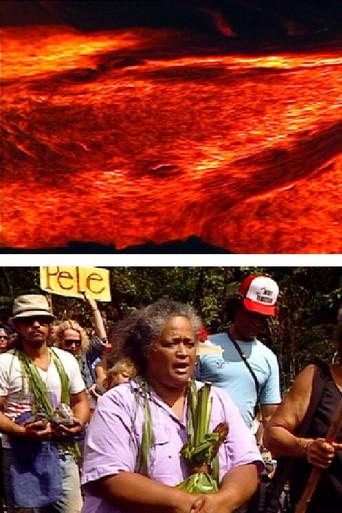
In the swirling volcanic steam and misty rain forest of Kilauea volcano’s east rift zone on the island of Hawai’i, two forces meet head on. Geothermal development interests, seeking to clear the rain forest for drilling operations, are opposed by native Hawaiians seeking to stop the desecration of the fire goddess, Pele. Pele is a living deity fundamental to Hawaiian spiritual belief. She is the eruption, with its heat, lava and steam. Her family takes the form of forest plants, animals and other natural forces. But geothermal development interests see Pele as simply a source of electricity. When Hawaiians take the issue to court, they find that nature-based religions are not respected by U.S. law.
Pele's Appeal
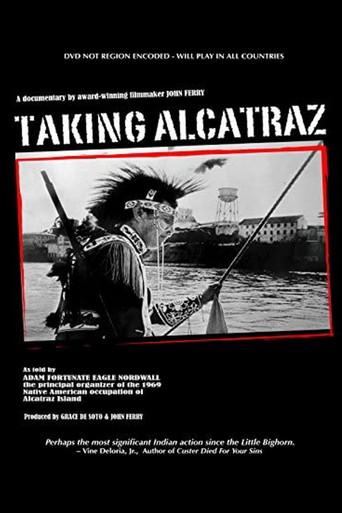
A documentary account by award-winning filmmaker John Ferry of the events that led up to the 1969 Native American occupation of Alcatraz Island as told by principal organizer, Adam Fortunate Eagle. The story unfolds through Fortunate Eagle's remembrances, archival newsreel footage and photographs.