
Overview
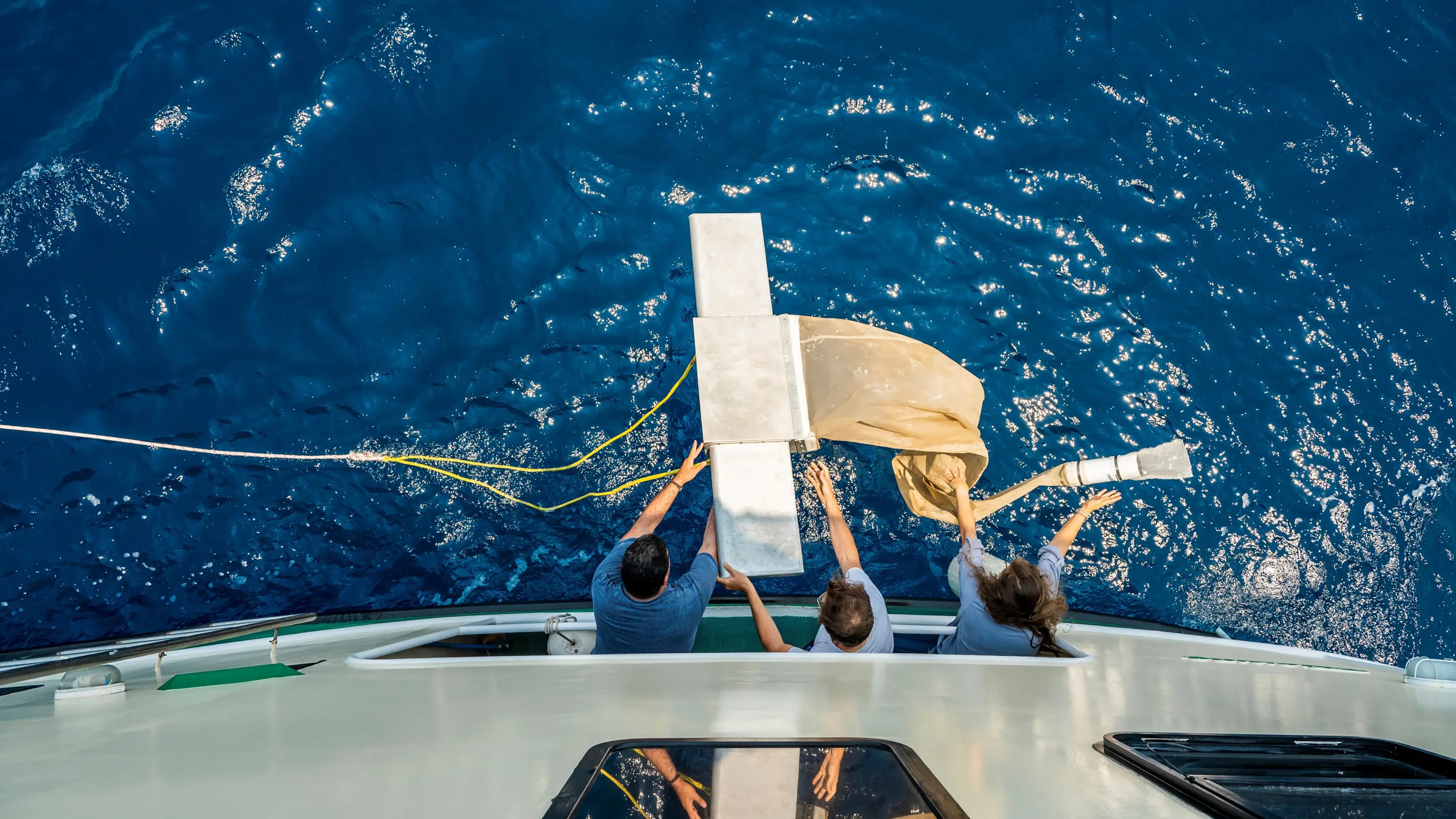
The documentary follows a group of Latin American environmentalists and scientists on their risky expedition through the second largest coral reef in the world.
Key Film Crew
Production Stats
You May Also Like


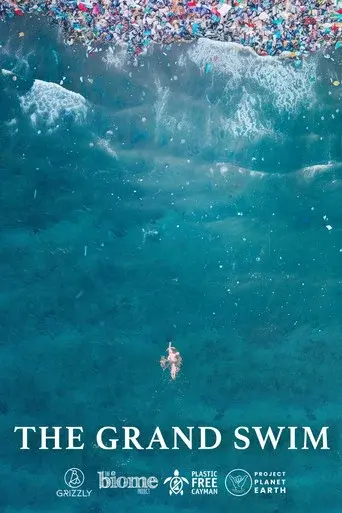
The documentary chronicling Oly Rush's world record attempt to swim non-stop around Grand Cayman. All in the name of raising awareness for plastic pollution.
The Grand Swim
Atlantis is filmmaker Luc Besson's celebration of the beauty and wonder of the world beneath the sea, expanding upon themes touched on in his film The Big Blue. Combining stunning underwater cinematography and a hypnotic score by Eric Serra, Besson's singular vision defies dialogue or narrative structure to explore ocean life as you've never seen it before. Following the colossal success of The Big Blue, Luc Besson crisscrossed the world's seas and oceans to film the beauty and diversity of marine life: from the giant octopuses of Vancouver to the manta rays of the Pacific (New Caledonia), and the grey sharks of Tahiti. A film with no actors or sets other than the underwater world. A breathtaking view of marine species: sharks, dolphins, manatees, octopuses. An exploration of the seabed in the Bahamas, the Galapagos, Vancouver, and Tahiti.
Atlantis

For more than 30 years, scientist, broadcaster and environmental activist David Suzuki has served as the host of The Nature of Things, a CBC program that is seen in more than forty nations. Suzuki Speaks is an hour of thought-provoking television. David Suzuki delivers one of the most powerful messages of his career - the relationship between the four "sacred" elements and their influence on the "interconnectedness" we feel individually, with each other and with the rest of the world.
The Web of Life
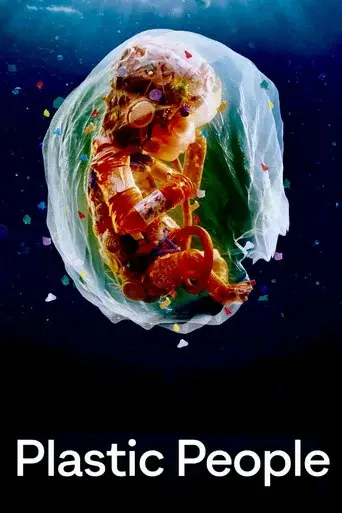
Are we becoming Plastic People? Our ground-breaking feature documentary investigates our addiction to plastic and the growing threat of microplastics on human health. Almost every bit of plastic ever made ends up ground down into "microplastics". These microscopic particles drift in the air, float in the water and sit in the soil. And now, leading scientists are finding them in our bodies: organs, blood, brain tissue and even the placentas of new mothers. What is the impact of these invisible invaders on our health? Ziya Tong, author and science journalist, makes it personal by visiting leading scientists and undergoing experiments in her home, on her food, and on her body.
Plastic People

The Living Sea celebrates the beauty and power of the ocean as it explores our relationship with this complex and fragile environment. Using beautiful images of unspoiled healthy waters, The Living Sea offers hope for recovery engendered by productive scientific efforts. Oceanographers studying humpback whales, jellyfish, and deep-sea life show us that the more we understand the ocean and its inhabitants, the more we will know how to protect them. The film also highlights the Central Pacific islands of Palau, one of the most spectacular underwater habitats in the world, to show the beauty and potential of a healthy ocean.
The Living Sea

An ecological drama/documentary, filmed throughout the globe. Part thriller, part meditation on the vanishing wonders of the sub-aquatic world.
Oceans

Punta de Choros is a town in northern Chile. This sacred place, its desert environment and its inhabitants are interrupted by Dominga, a mining project that threatens biodiversity and the landscape.
Paitanas

Welcome to the world of PLSTC, an undersea dystopia that submerges you in the disturbing reality of plastic pollution in our oceans. Through a series of graphically confronting AI-generated and hand-composited images of ocean creatures, this experimental animated film confronts you with the devastating consequences of our habits on marine life, and leaves you gasping for breath.
PLSTC


“Let’s Do It!” is a story about how a national cleanup campaign in a small European country grew into an ambitious global environmental movement. The idea spread far and wide, bringing about new wave of civic activism in many countries. However, even good initiatives can hit rough spots. The important thing is not to lose hope. This documentary captures the passion to change the world over the course of 10 years, culminating in World Clean-Up Day in 2018. The movie also showcases how grass-root initiatives can grow and subside and how some ambitions can be defeated only to give rise to even more ambitious ones.
Let's Do It!

In the deep ocean, life is divided between very different worlds. In the midwater, pelagic wanderers tread migratory routes that span entire oceans, and planktonic drifters and their predators take part in bioluminescent light shows. And below, lies the deep sea floor. A kingdom of mud and ooze, where sessile creatures cling to any solid outcrop and corals craft kingdoms on the seamount crusts. The worlds of the deep sea could not be more different, and yet their stories are fundamentally intertwined.
Into the Midnight Zone
Sanctuaries in the Dark, a documentary about the deep sea. Sixgill sharks, ghost sharks (chimaeras), big-finned squid (Magnapinna), telescope octopuses, siphonophores (Bathyphysa), drifting jellyfish, and the silent abyss cleaning team: sea cucumbers and giant isopods. Visit hydrothermal vents, where chemosynthetic microbes feed oases of life with giant tubeworms (Riftia pachyptila) and Pompeii worms; glide over coral gardens of seamounts and ancient schools of sponges; watch as wooden and whale waterfalls transform darkness into cities of life; and pause at octopus farms, heated by gentle filtrations. This film features only real footage of deep-sea creatures, filmed by NOAA's incredible ocean exploration institutes and the Schmidt Oceanographic Institute.
The Deep Dark Sea
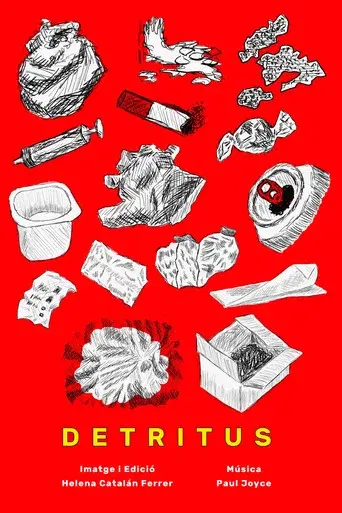
“Detritus” is a visual experience that observes Barcelona through the waste left behind by its inhabitants: furniture, paper, plastic, and other urban debris. The accumulation of all these often overlooked remnants shapes the portrait of a dirty city, built on a model of constant consumption, where garbage becomes yet another layer of a cold and polluted landscape defined by what we leave behind.