

PLSTC
Overview
Welcome to the world of PLSTC, an undersea dystopia that submerges you in the disturbing reality of plastic pollution in our oceans. Through a series of graphically confronting AI-generated and hand-composited images of ocean creatures, this experimental animated film confronts you with the devastating consequences of our habits on marine life, and leaves you gasping for breath.
Top Cast

Earth
Key Film Crew
Production Stats
You May Also Like
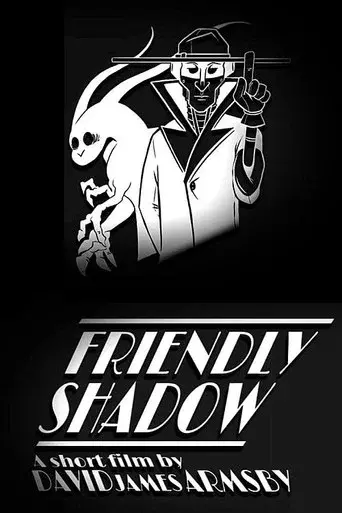
Autodale's detective presence 'Friendly Shadow' makes an effort to keep the monsters lurking outside from entering the city, one such attack however gets very gruesome very fast.
Friendly Shadow

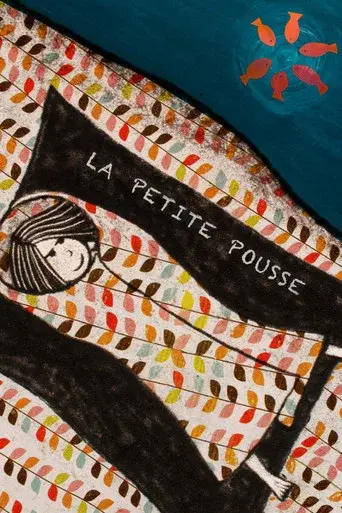
A little girl catches floral patterns with a magic cloth and uses them to make her own pretty dresses. Every night, ants move her house from one field to the next. One day, a seed drops into her mouth and a young shoot sprouts from her navel.
The Little Seed
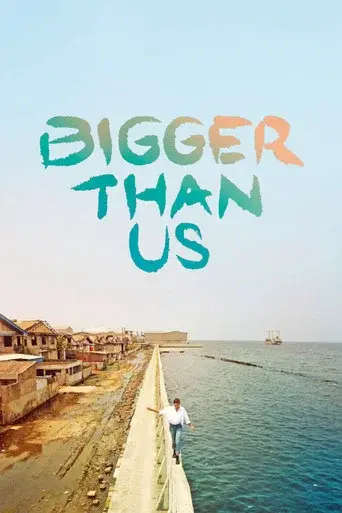
For six years, Melati, 18, has been fighting the plastic pollution that is ravaging her country, Indonesia. Like her, a generation is rising up to fix the world. Everywhere, teenagers and young adults are fighting for human rights, the climate, freedom of expression, social justice, access to education or food. Dignity. Alone against all odds, sometimes risking their lives and safety, they protect, denounce and care for others. The earth. And they change everything. Melati goes to meet them across the globe. At a time when everything seems to be or has been falling apart, these young people show us how to live. And what it means to be in the world today.
Bigger Than Us


On 1500 metres above sea level, on the slope of the mountain Hallingskarvet, stands "Tvergastein', the cabin of Norwegian philosopher Arne Naess. In his life he has spent nearly 12 years in this hut, where he wrote several books and essays on philosophy and ecology. In this film, Naess tells about the concept of 'deep ecology', which was first introduced by him in 1973. One of the basic tenets of deep ecology is that nature has a value in itself, apart from its possible use value to humans. Next to being a famous mountaineer, Naess has been a longtime activist in the environmental movement. He gives an inspiring account of his participation in blockades to prevent the Alta river in northern Norway (the area of the Sami, an indigenous people) from being dammed.
The Call of the Mountain


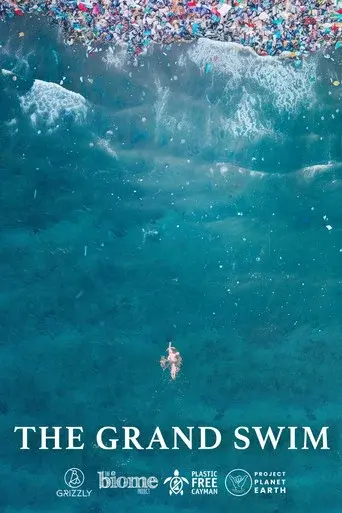
The documentary chronicling Oly Rush's world record attempt to swim non-stop around Grand Cayman. All in the name of raising awareness for plastic pollution.
The Grand Swim

In the year 2029, the barriers of our world have been broken down by the net and by cybernetics, but this brings new vulnerability to humans in the form of brain-hacking. When a highly-wanted hacker known as 'The Puppetmaster' begins involving them in politics, Section 9, a group of cybernetically enhanced cops, are called in to investigate and stop the Puppetmaster.
Ghost in the Shell


In a dystopian society where the only acceptable behaviour is unquestioning conformity, for those unable to adhere to this, there is a specialist rehabilitation centre. Here compliance is the only option. Here begins The Process.
The Process


The film interprets the theme of the loss of personality, the so-called „depersonalization" – a state in which the individual loses the ability to feel the image of himself, his emotions, even his body. The world of the film is created through the movement of pigment, paint, fluid by the use of „painting under the camera" technique. The events flow into each other, degenerate in the logic of some irreversible and unnatural randomness. Their metamorphosis collides the evolutionary course with its opposite - the tree grows and buries his crown back into the earth, the world returns to primal matter, the consumer is consumed.