
Plastic People
Overview
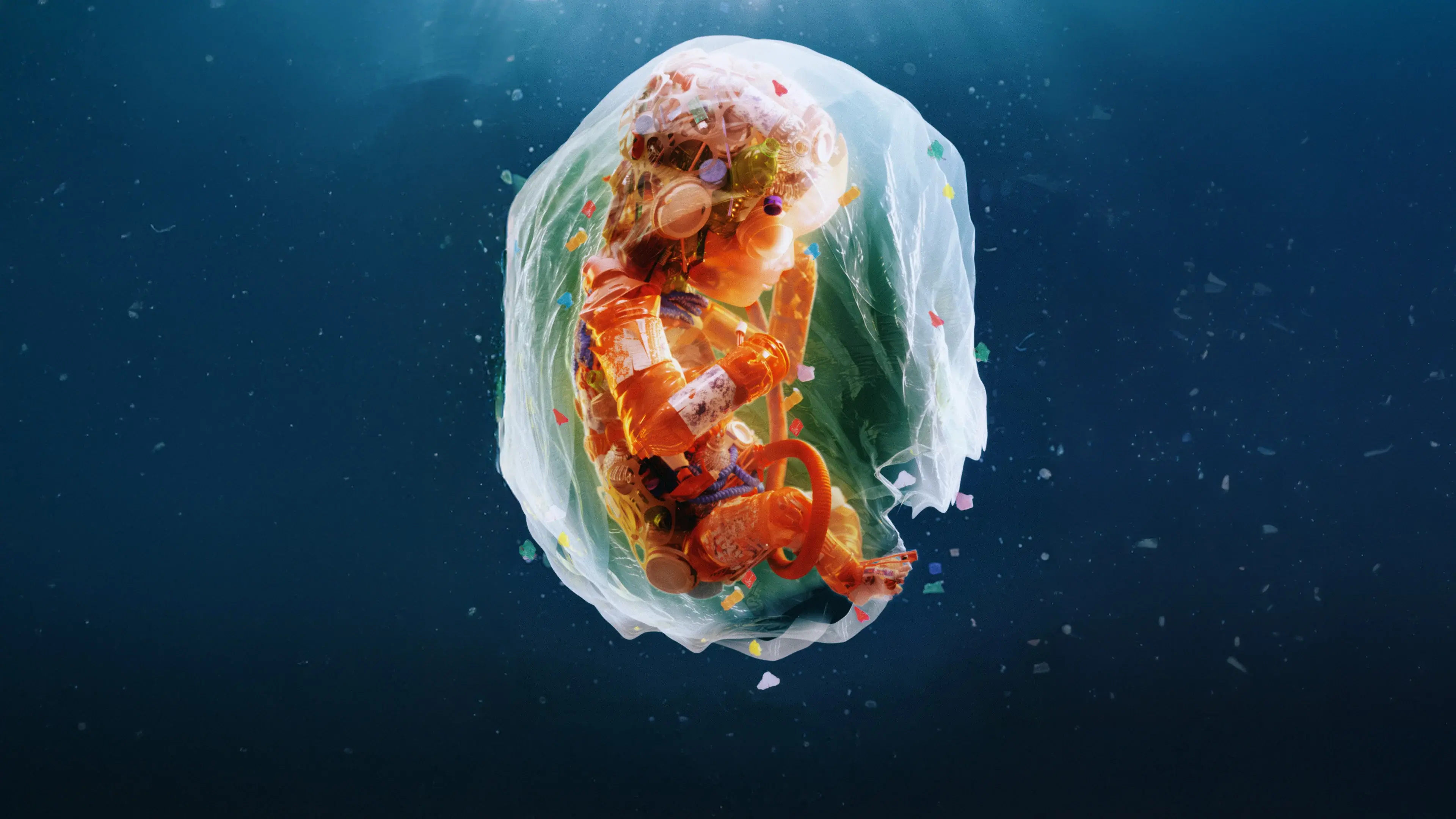
Are we becoming Plastic People? Our ground-breaking feature documentary investigates our addiction to plastic and the growing threat of microplastics on human health. Almost every bit of plastic ever made ends up ground down into "microplastics". These microscopic particles drift in the air, float in the water and sit in the soil. And now, leading scientists are finding them in our bodies: organs, blood, brain tissue and even the placentas of new mothers. What is the impact of these invisible invaders on our health? Ziya Tong, author and science journalist, makes it personal by visiting leading scientists and undergoing experiments in her home, on her food, and on her body.
Top Cast

Ziya Tong
Susan Freinkel
Sedat Gündoğdu
Key Film Crew
Production Stats
You May Also Like
Wildlife film maker Rebecca Hosking investigates how to transform her family's farm in Devon into a low energy farm for the future, and discovers that nature holds the key. With her father close to retirement, Rebecca returns to her family's wildlife-friendly farm in Devon, to become the next generation to farm the land. But last year's high fuel prices were a wake-up call for Rebecca. Realising that all food production in the UK is completely dependent on abundant cheap fossil fuel, particularly oil, she sets out to discover just how secure this oil supply is. Alarmed by the answers, she explores ways of farming without using fossil fuel. With the help of pioneering farmers and growers, Rebecca learns that it is actually nature that holds the key to farming in a low-energy future.
A Farm for the Future
The documentary follows a group of Latin American environmentalists and scientists on their risky expedition through the second largest coral reef in the world.
Plasticsphere
NOVA takes you inside the operating room to witness organ transplant teams transferring organs from donors to recipients. Meet families navigating both sides of a transplant, and researchers working to end the organ shortage. Their efforts to understand organ rejection, discover ways to keep organs alive outside the body, and even grow artificial organs with stem cells, could save countless lives.
Transplanting Hope
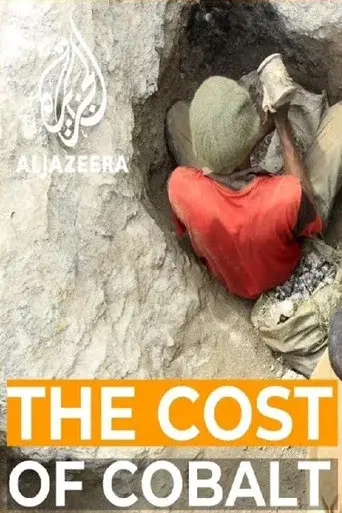
In the cobalt mining areas of Katanga in the Democratic Republic of the Congo (DRC), babies are being born with horrific birth defects. Scientists and doctors are finding increasing evidence of environmental pollution from industrial mining which, they believe, may be the cause of a range of malformations from cleft palate to some so serious the baby is stillborn. More than 60% of the world’s reserves of cobalt are in the DRC and this mineral is essential for the production of electric car batteries, which may be the key to reducing carbon emissions and to slowing climate change. In The Cost of Cobalt we meet the doctors treating the children affected and the scientists who are measuring the pollution. Cobalt may be part of the global solution to climate change, but is it right that Congo’s next generation pay the price with their health? Many are hoping that the more the world understands their plight, the more pressure will be put on the industry here to clean up its act.
The Cost of Cobalt
As more and more of us use and replace electronic devices, manufacturers have failed to offer solutions for how to deal with the resulting waste. Much of it is exported to a toxic dump in Ghana, where scavengers do their best to salvage what they can.
Blame Game
The world is facing a “pandemic” of chronic disease – heart disease, diabetes, cancer, obesity, asthma, kidney and liver disease, Alzheimer’s, autoimmune diseases, allergies and skin conditions and many, many more. This year more than 36 million people will die from degenerative conditions – more than from all other causes put together*, and that number is expected to rise to over 50 million within 15 years. At the same time, the amount spent trying to treat these diseases with pharmaceutical drugs is expected to rise by 50% to more than $1.2 trillion! One summer Jason Vale took eight people who collectively suffered from 22 different chronic diseases and put them on his ‘Juice Only’ diet for 28 days. Could these different diseases with their many different prescribed drugs be improved and even cured by one thing? Maybe it’s time to get Super Juiced!
Super Juice Me!
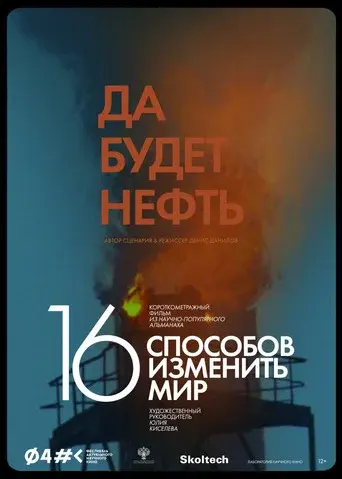
Oil is a primary energy source in the world. Global oil consumption reached approximately 95 million barrels per day but oil fields' quality is constantly declining. A team of Russian scientists came up with more accurate, cheaper, and faster technology that can increase the oil production rate. After all, modern civilization is built in the way that 'to live well' means 'consume more oil'
There Will Be Oil
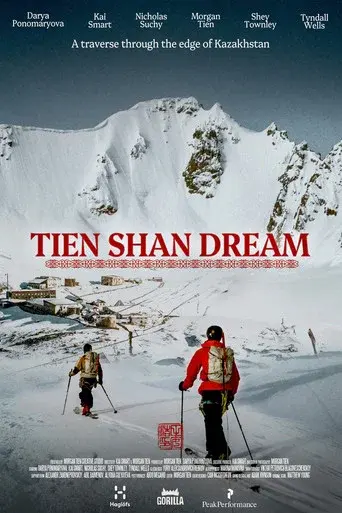
A team of international skiers embark on a two-week glacier traverse connecting two remote research stations in Kazakhstan. The Tien Shan's 4000+ meter peaks host an active scientific community, leveraging the rare environmental conditions for groundbreaking research. Established during the Soviet Union's occupation, the high-altitude research stations here are home to some of the longest-standing glacier and cosmic radiation experiments in the world - and are surrounded by deadly alpine terrain.
Tien Shan Dream
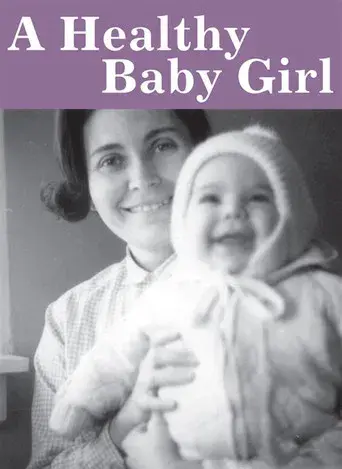
Filmmaker Judith Helfand turns the camera on herself to document her battle with cancer caused by DES, a drug prescribed to her mother during pregnancy. Refusing to confine the tears, rage, laughter and hope to dinner table conversations, Helfand invites us to witness her personal journey from radical hysterectomy patient to vocal opponent of toxic exposure. From her suburban home to the halls of Congress, the intensely private becomes widely public, and an American family is transformed and strengthened.
A Healthy Baby Girl
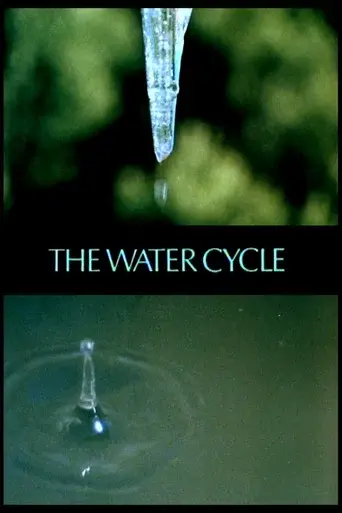
An award-winning short exploring man-made impacts on New Zealand’s water cycle.
The Water Cycle

A variety of scientific subjects, including the laboratory of a plastic surgeon in London, and his method for applying permanent makeup; a new school for kiddies employing finger paint so they can express their urge to put things on paper; Army aviation, showing the latest development in blind landing. Produced in Cinecolor.
Popular Science J-8-1
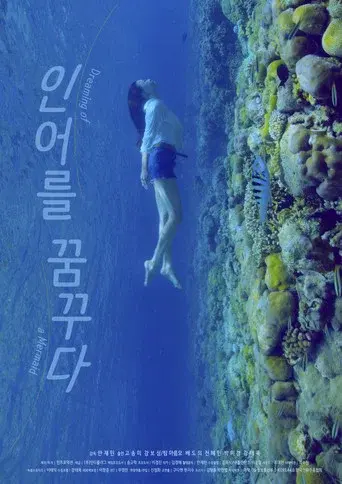
Working as a designer for a clothing company, Song-mi, feeling skeptical about her heavy workload and repetitive daily life, decides to quit her job and become a freediving underwater performer. As she went deeper into her sea, Songmi felt that her body and mind, which had been weary of her, were healed. In order to return this 'gift of healing' she received from her sea, she challenges a special underwater performance with installation artist Boseong and aqua aerobics instructor Doui. Youth campaigns in Jeju, Palau and Cebu. The silent cry of a mermaid trapped in a plastic forest in the middle of the Pacific Ocean now throws a strong warning to our oceans.
Dream of a mermaid
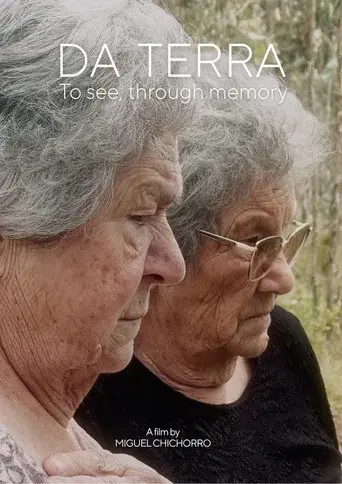
Emília Pedro e Fernanda Jorge revisit childhood memories to identify over 70 land parcels inherited from their father. As physical traces fade, memory and oral tradition become the only way to 'see' what is no longer visible.
Da Terra
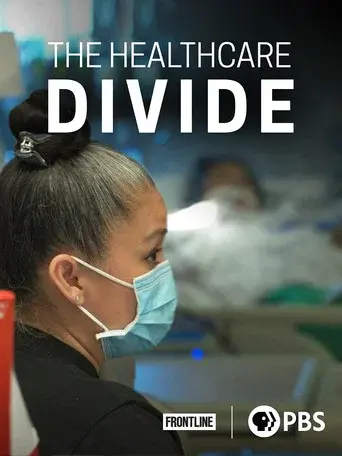
FRONTLINE and NPR investigate the growing inequities in American healthcare exposed by COVID-19. The Healthcare Divide examines how pressure to increase profits and uneven government support are widening the divide between rich and poor hospitals, endangering care for low-income populations.
The Healthcare Divide

In this educational film, laboratory demonstrations show the effects of moisture and temperature on the growth of molds. Photomicrography reveals the structure of molds: hyphae, mycelium, spore balls, spores. Beginning with spores on a rice culture, time-lapse photography shows the formation of a new colony.
Molds and How They Grow
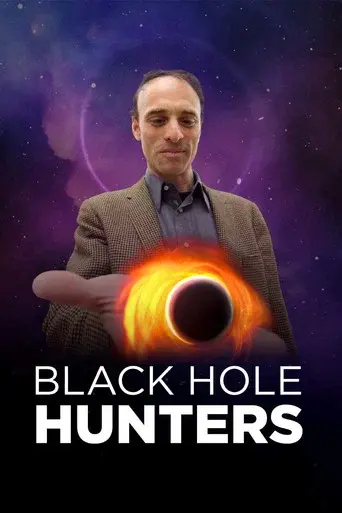
A team of international scientists attempt to document the first-ever image of a black hole.