
Never Again: The United States Holocaust Memorial Museum - A Tour with Wolf Blitzer
Overview
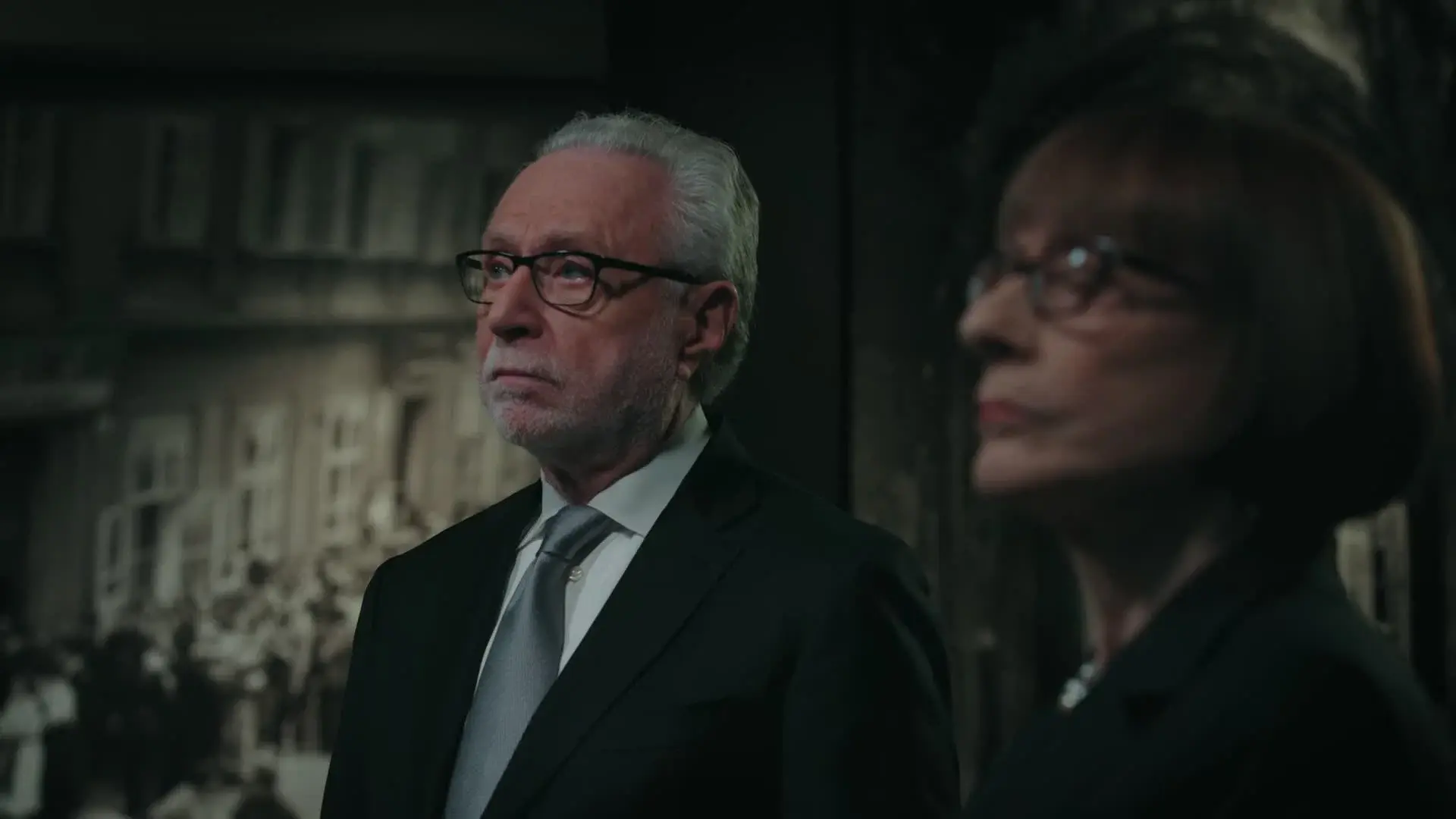
The child of Holocaust survivors, CNN Anchor Wolf Blitzer, takes viewers through the United States Holocaust Memorial Museum and beyond, connecting the hours of the Holocaust and their modern parallels and his family story.
Top Cast

Wolf Blitzer
Himself

Sara J. Bloomfield
Herself
Rebecca Erbelding
Herself
Key Film Crew
Production Stats
You May Also Like

"Letters from Europe" brings to light the words of men and women who gave their lives resisting the Nazi and fascist conquest from 1939 to '45 across the European continent. The moving goodbyes penned by a few of those sentenced to death are sometimes true spiritual testaments that explore the meaning of civic responsibility, human existence, fraternity, and life and death. Their words, which the film mingles with footage of the present day, can perhaps restore meaning to a humanist ideal and to the ever-changing idea of a united Europe.
Letters from Europe
A tribute to the cameramen of the newsreel companies and the service film units, in the form of a compilation of film of the cameramen themselves, their training and some of their most dramatic film.
Cameramen at War


Dengbêjên Me is a empathetic documentary about the last living representatives of the Kurdish oral storytelling tradition—the Dengbêjs. The film is dedicated to their lives, their memories, their pain, and their resistance. Their songs and personal stories create a cinematic archive of a cultural heritage that dates back thousands of years. Between voice, music, and silence, a deeply emotional journey unfolds, becoming a farewell, a testimony, and an act of cultural survival.
Dengbêjên Me

Brair Kani explores an ancestral house located in Srinagar, Kashmir. Using the attic as a site of reflection, the film navigates the relationship between space, belonging and personal history. Inhabiting the confines of the attic, the house spirits exist simultaneously as carriers of collective memory and as manifestations of the emotional landscape.
Cat's Attic
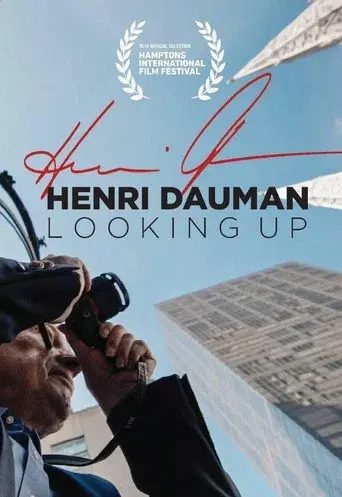
The perfectionist Life magazine photojournalist, famous for his pictures of Elvis, Jackie, and Marilyn, makes an emotional return to France, where he and his Jewish mother almost during World War II.
Henri Dauman: Looking Up

In 1943, the Imperial Japanese Secret Service made a film called Calling Australia! to show the "exemplary conditions" under which prisoners of war were kept, and to "soften up" the Australian public for the anticipated occupation of their country by Japanese forces. Prisoners of Propaganda tells why the film was made, and how it came to be forgotten.
Prisoners of Propaganda


The Polish city of Łódź was under Nazi occupation for nearly the entirety of WWII. The segregation of the Jewish population into the ghetto, and the subsequent horrors are vividly chronicled via newsreels and photographs. The narration is taken almost entirely from journals and diaries of those who lived–and died–through the course of the occupation, with the number of different narrators diminishing as the film progresses, symbolic of the death of each narrator.
Łódź Ghetto
A Russian-Australian cinematographer travels to Albany to find out about the time when a 19th Century town at the end of the world was put on high alert of a Russian invasion.