Overview
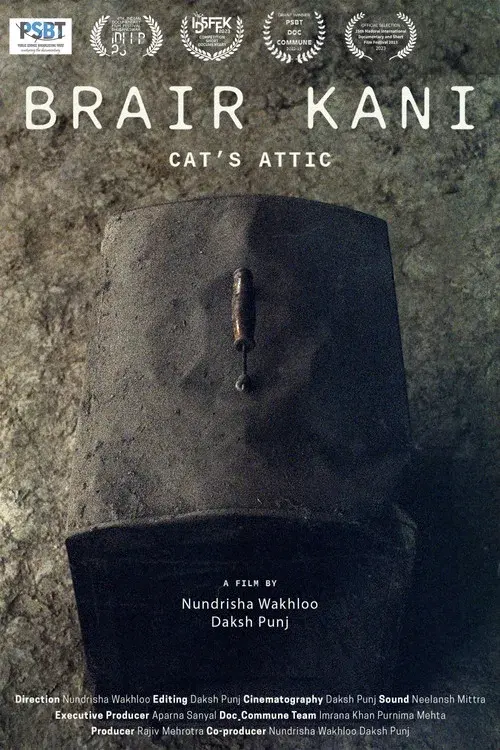
Brair Kani explores an ancestral house located in Srinagar, Kashmir. Using the attic as a site of reflection, the film navigates the relationship between space, belonging and personal history. Inhabiting the confines of the attic, the house spirits exist simultaneously as carriers of collective memory and as manifestations of the emotional landscape.
Key Film Crew
Production Stats
You May Also Like
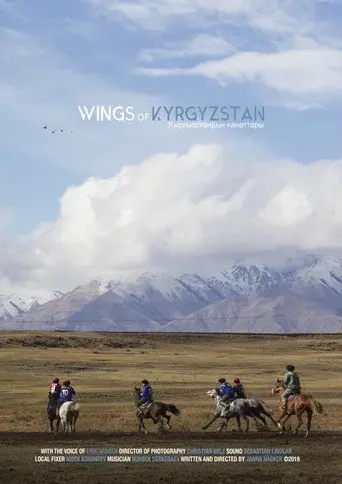
As „wings of men“ they became the faithful companion of a great nomadic nation thousands of years ago. Today, 28 years after the Soviet occupation, the little horse is an essential part of the cultural heritage and the search for identity of the modern Kyrgyz people. Based on its own story, a so called „good brown horse“ leads through the film and offers an insight of what it could mean to be „todays wings of men“. Told by a horse’s voice and through its eyes, this short film still is a documentary, but also a poetic journey to a nomadic culture.
Wings of Kyrgyzstan



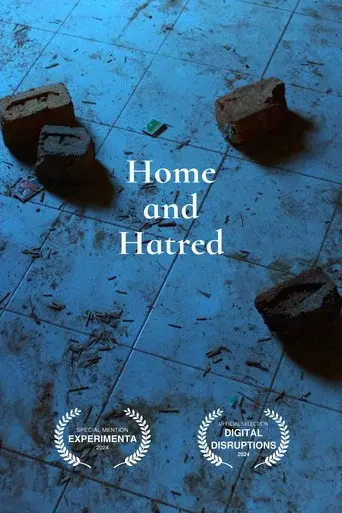
Two filmmakers juxtapose field recordings and documented moving images as an attempt to reconcile with their place in their desensitized semi-urban hometown in India.
Home and Hatred
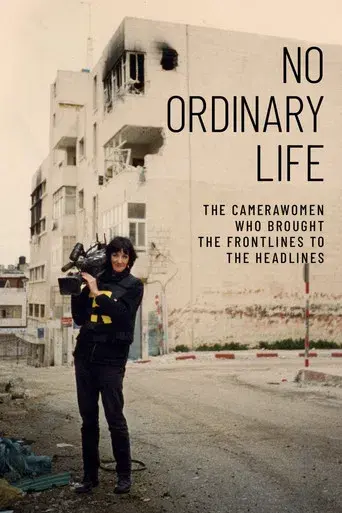
In a field dominated by men, five pioneering camerawomen Mary Rogers, Cynde Strand, Jane Evans, Maria Fleet and Margaret Moth went to the frontlines of wars, revolutions and disasters to bring us the truth. As colorful as accomplished, these brave photojournalists made their mark by capturing some of the most iconic images from Tiananmen Square, to conflicts in Sarajevo, Iraq, Somalia and the Arab Spring uprising. But the world doesn’t know it was these women behind the camera. In the midst of unfolding chaos, the pictures they took for CNN both shocked and informed the world. This feature documentary by director Heather O’Neill tells their remarkable story.
No Ordinary Life

Partitions draws on photographs, state documents, audio recordings and footage of domestic spaces and routines, to tell a story of Sindhi migration following the Partition of India in 1947. Inspired by the life of a woman who was born in Hyderabad, Sindh, grew up in Madras (Chennai) and lived the rest of her life as a Singaporean, the film juxtaposes fragmented recollections of the past with enduring practices of the present.
partitions

Has the time of women finally come? Have their everyday lives truly changed over the past sixty years? Guided by Agnès Jaoui, women—famous and unknown—share their stories across generations. From childhood to retirement, the documentary traces shared experiences shaped by prejudice, but also by hope, strength, and humor. Blending personal archives, historic moments, and social media footage, the film places women at the center of their own story. Welcome to the Time of Women.
Le temps des femmes ?
In 2017, 20 years after Hype! (1996), filmmaker Doug Pray made a new short documentary featuring updated conversations with some of the personalities and bands who participated in the original documentary about the Seattle music scene and the Grunge movement.
Hype! 20 Years After
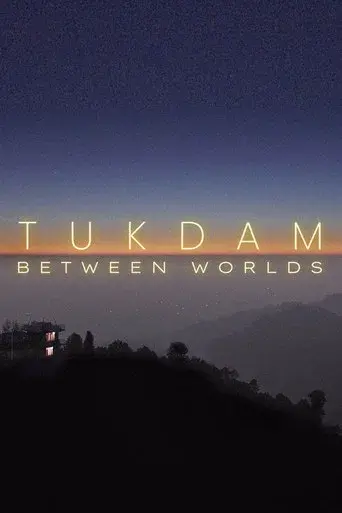
Most of us think of death as something clear-cut, and that medical science has it neatly figured out. This feature documentary explodes such assumptions through its exploration of a phenomenon that blurs life and death to an unprecedented degree. In what Tibetan Buddhists call tukdam, advanced meditators die in a consciously controlled manner. Though dead according to our biomedical standards, they often stay sitting upright in meditation; remarkably, their bodies remain fresh and lifelike, without signs of decay for days, sometimes weeks after clinical death. Following ground-breaking scientific research into tukdam and taking us into intimate death stories of Tibetan meditators, the film juxtaposes scientific and Tibetan perspectives as it tries to unravel the mystery of tukdam.
Tukdam – Between Worlds

A look at the community surrounding Nintendo's New York store in the month leading up to the launch of the Nintendo Switch in 2017.
You Just Had to Be There
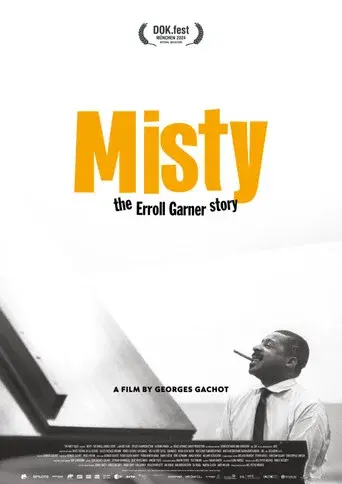


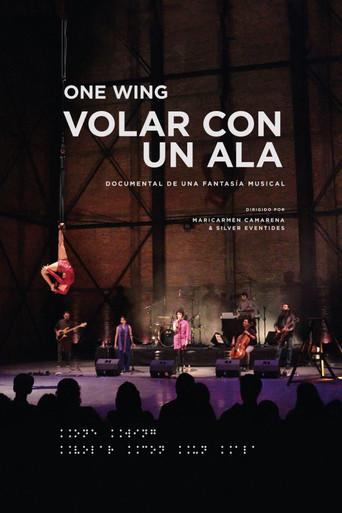

Dengbêjên Me is a empathetic documentary about the last living representatives of the Kurdish oral storytelling tradition—the Dengbêjs. The film is dedicated to their lives, their memories, their pain, and their resistance. Their songs and personal stories create a cinematic archive of a cultural heritage that dates back thousands of years. Between voice, music, and silence, a deeply emotional journey unfolds, becoming a farewell, a testimony, and an act of cultural survival.