

Overview
In a refugee camp in the Sahara desert lives a deaf boy who wants to learn to write. Welcome to the silent world of Kori and his best friend the camel Caramelo.
Key Film Crew
Production Stats
You May Also Like
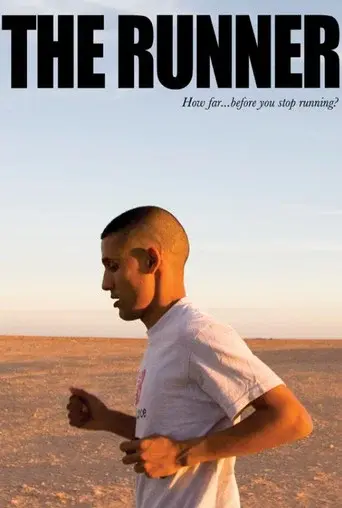
The Runner is a film about endurance. It is the story of a champion long-distance runner whose journey transformed him from an athlete into the symbol of a national liberation movement. Salah Hmatou Ameidan is willing to risk his life, his career, his family and his nationality to run for a country that doesn't exist. He is from Western Sahara, officially Africa's last colony and under Moroccan occupation since 1975.
The runner
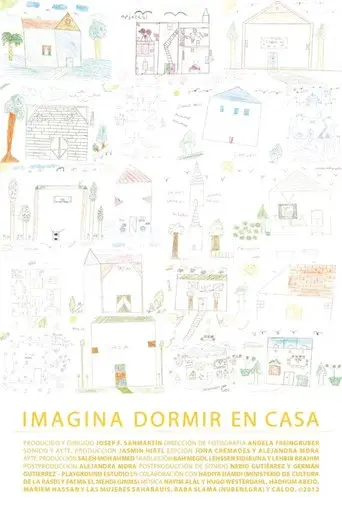
"Imagine sleeping at home" follows the story of several children who guide us to understand the conflict and the problems that they face, but also pay attention of small groups of friends who spontaneously comes to camera to tell what are their concerns. In the documentary we can also find the testimony of the director of a school for disabled children, the story of how a mother had to escape from the occupied territories when the Moroccan police detained for a week her ten years old son, or the analysis of a Sahrawi soldier about the situation of their children.
Imaging sleeping at home

Filled with vitality, humor and unexpected situations, Hamada paints an unusual portrait of a group of young friends living in a refugee camp in the middle of nowhere. Western Sahara is known as “the last colony in Africa” and this conflict is the longest and one of the least known ongoing disputes in the continent, but the Sahrawi people refuse to become invisible.
Hamada
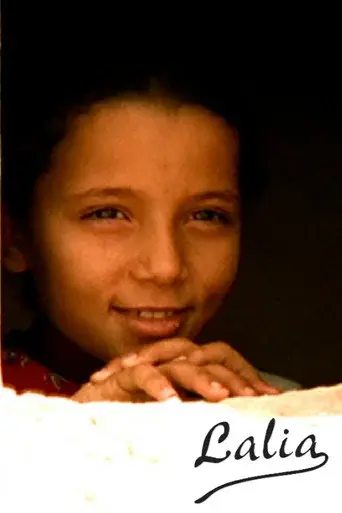
Lalia is a Saharaui girl who lives in a refugee camp in Algiers. She has only heard her grandmother and grandfather talk about her country, about the Sahara, that was taken away by Morroco. She dreams of one day seeing the ocean, seeing her real country. The reality she lives in is different... the uncertainty of the refugee camps, the political unbalance... but she is strong... and she knows that there can be change... she won't stop dreaming, and she won't stop longing..
Lalia
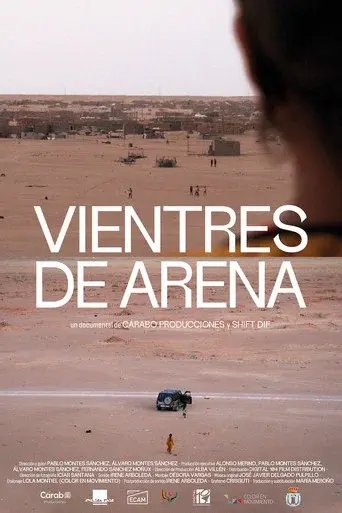
The Algerian region of Tindouf is home to more than 170,000 Sahrawis, who have been living in refugee camps since 1976, when Morocco occupied the Western Sahara region. In a place of inhospitable conditions and scarcity, the Sahrawi population lives on dwindling humanitarian aid. Six percent of them face the added difficulty of coeliac disease.
Sand bellies

This is the true story of Fetim Salam, a Saharawi refugee falsely portrayed as a slave in the Australian documentary 'Stolen'. Australian filmmakers, Violeta Ayala and Daniel Fallshaw, travel to the Saharawi refugee camps in Tindouf, Algeria in 2007 and claim to discover 20,000 slaves in the camps run by the independence movement Polisario Front. Refugees are outraged for being portrayed as slaves, and humanitarian aid workers are incredulous about these allegations as they know the camps intimately. Filmmaker Carlos Gonzalez retraces their steps in search of the truth and finds a web of lies, misinformation and Moroccan operatives reshaping the truth.
Robbed of Truth
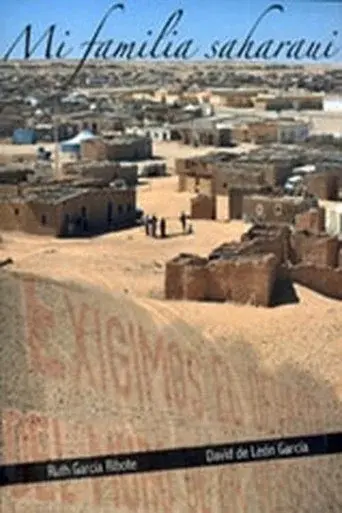
My Sahrawi family' is a report - documentary that reflects the bonds of unity between Sahrawi families and Spanish families who every summer welcome minors from refugee camps into their homes.
My Sahrawi family


'The Desert of the Desert' is a feature documentary about one of the longest-running and least- known colonial conflicts and the plight of the Sahrawi desert nomads of Western Sahara since Morocco's 1975 invasion. Shot in Jan./Feb. 2014 in the Saharawi Liberated Territories of Western Sahara, and in the Saharawi Refugee Camps in Tindouf, Algeria, the film shows the saga of the Sahrawis, their struggle to regain their homeland and the sad paradox of a nomadic people forced to live in confinement. During production, the crew made a rare treck through 3,000 kilometers of bleak and dangerous desert, becoming unwitting participants in the conflict when their jeep was blown up by an anti-tank mine less than a kilometer from their destination on Western Sahara's Atlantic coast.
The Desert of the desert

"Legna: speak the Saharawi verse" is an audiovisual poetry story that traces the essential elements of the Saharawi culture, chaining the verses recited in a rigorous and evocative way in Hasania and Spanish by the poets and poetesses themselves. Poems that sing and evoke the essence of Bedouin material culture linked to the movement from Saquia el Hamra to Rio de Oro. A magical journey from the Draa River in the north to Agüenit and Leyuad on the southern border with Mauritania, from the coast with the white beaches of Bojador up to the vague boundaries of the Badia. A Saharawi national territory marked by the trace of the recent history of revolution, war, resistance (intifada) and waiting. Territory, history, culture, basted from poetry full of life, love and nostalgia.
Legna

The Sahrawi people have lived in exile for almost half a century in the driest desert of the African continent. There, where basic resources such as water are scarce, there is a film school. As the world looks the other way, a group of young filmmakers carries out a battle against oblivion.
Salam


Straddling a 2,400-kilometer-long wall constructed by the Moroccan army, the Western Sahara is today divided into two sections — one occupied by Morocco, the other under the control of the Sahrawi National Liberation Movement’s Polisario Front. Drawing from stories of flight, exile, interminable waiting and the arrested, persecuted lives on both sides of that wall, this film bears witness to the Sahrawi people, their land, their entrapment in other people’s dreams. In an esthetic that sublimates the real, Lost Land resonates like a score that juxtaposes sonorous landscapes, black-and-white portraits and nomadic poetics.
Lost land
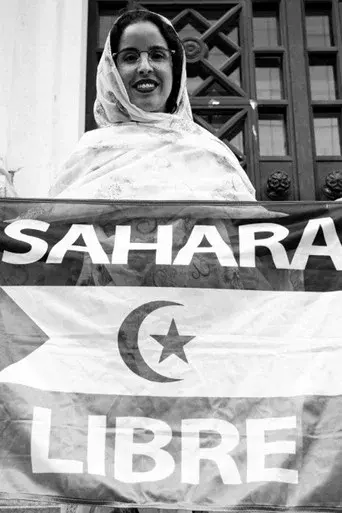
The Sahara has been and is populated by peoples who have passed through and occupied it since time immemorial. The Sahrawis are one of these peoples. When Spain withdrew from its colony in 1976, Morocco invaded. Thousands have had to leave their lands to seek refuge in camps in the Sahara, in neighboring Algeria, and thousands have had to migrate to Spain and other destinations outside the Sahara. And it is the women who built the camps while the men fought, and it is they who have increasingly gained social, cultural, and political influence in the territory and in the diaspora. This is their history and their reality.
Women of the free Sahara

Young Mohamed Dih, who in Seville, returns to his birthplace – a refugee camp in Western Sahara. Time flows differently here: the times of the day are marked by calls to prayer and the seasons – by the rainfall. When a torrential downpour destroys his family’s home, the protagonist stays in the camp for longer to help to rebuild it.

