

Overview
After the military occupation of Western Sahara in 1976, Moroccan government attacked the civil population with hard repression, forcing hundreds of Saharan people to “disappear” in clandestine jails. An invisible and slow death was the only horizon. However, some prisoners were able to survive after suffering their own “extinction” for more tan 10 years, ripped from their families, suffering torture, in total isolation. When they finally were released, their known world had changed radically.
Top Cast

Sukeina Yedhelu
Key Film Crew
Production Stats
You May Also Like


The Executive Empress explores the entrepreneurial lives of several Florida women, who have turned their unique passions into successful businesses.
The Executive Empress
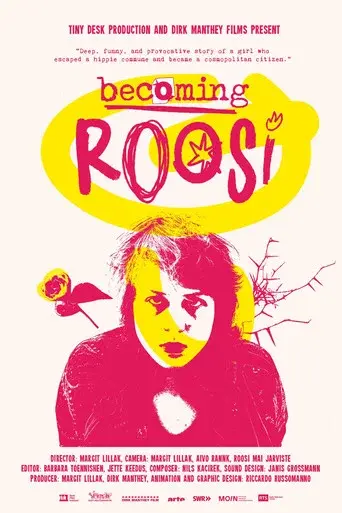
The filmmaker follows a girl, Roosi, for 10 years from age 8-18. She grew up as the child of an activist. She struggles to cope with climate grief and guilt. Roosi is torn between the path of activism and that of creativity and teenage ecstasy, while her complex and often tense relationship with her parents unravels. Struggling to find her place in the world, she navigates uncharted landscapes, revealing unlikely facets of contemporary cosmopolitanism through the eyes of a generation coming of age in an increasingly fluid reality.
Becoming Roosi
Through testimonies and images, the crude reality of human rights in Argentina in democracy is portrayed and the role of the hegemonic means of communication to make causes and protests invisible ...
Caos de tránsito
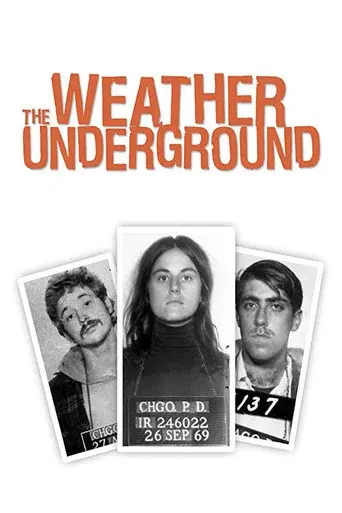
The remarkable story of The Weather Underground, radical activists of the 1970s, and of radical politics at its best and most disastrous.
The Weather Underground

Kat, a wheelchair user, navigates a city where access is improvised and progress remains uneven. Para-Paraan (Finding a Way Through) turns silence into protest, revealing how every workaround conceals a larger truth. Kat’s silence is not defeat but defiance, a quiet hope that someday, resilience will no longer be the only way forward.
Finding A Way Through

Ompung Putra Boru, a sixties indigenous Batak woman from Humbang Hasundutan, North Sumatra, retraces her life stories through photographs that interweave her past and present as a wife, mother, healer and indigenous land defender in two neighboring villages. Her multi-layered stories are juxtaposed with visual records of everyday life in the two villages, where people’s living space is still increasingly threatened by a giant pulp expansion.
Motherland Memories

I have been pretty satisfied with my life before I got on the bus. When I do in June 2011, my whole life turns upside down. I am just a regular passenger at first. Like other people I was sorry, and felt obliged to help and care for other passengers. Then I begin to film these common heroes with my camera. Those who speak about hope, who provide it and get on the bus, Ms. Kim Jin-suk, and other crane laborers who risk their safety while demonstrating for their rights on high. She, while stationed insecurely on high, begins interacting with the world through Twitter and makes friends. Then I realize I really love her. Will we have her back safely?
Jinsuk & Me
Lalia is a Saharaui girl who lives in a refugee camp in Algiers. She has only heard her grandmother and grandfather talk about her country, about the Sahara, that was taken away by Morroco. She dreams of one day seeing the ocean, seeing her real country. The reality she lives in is different... the uncertainty of the refugee camps, the political unbalance... but she is strong... and she knows that there can be change... she won't stop dreaming, and she won't stop longing..
Lalia

Filled with vitality, humor and unexpected situations, Hamada paints an unusual portrait of a group of young friends living in a refugee camp in the middle of nowhere. Western Sahara is known as “the last colony in Africa” and this conflict is the longest and one of the least known ongoing disputes in the continent, but the Sahrawi people refuse to become invisible.
Hamada


In her attempt to escape her past, Huiju relocated to the UK over 11 months ago. However, even after moving to a new country, she found that her nightmares from Korea continued to haunt her. Determined to move forward, she made the decision to confront her memories head-on in a very contemporary way, using dating apps to push the boundaries she had set due to her sexual trauma.
Rewinding Dominoes
Sami reindeer herders win a Supreme Court victory against Europe’s largest wind farm - but when the state refuses to act, their fight reveals a deeper crisis of justice and trust.
Let Our Mountains Live

After four years away, Huiju returns home to South Korea. Exchanges with her loved ones are awkward and clumsy. Huiju turns once again to her familiar rituals: pruning the trees, preparing a sauce, tying a braid.
Welcome Home Freckles
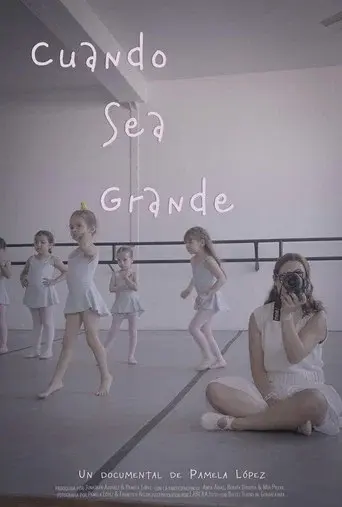
Pame returns to the ballet academy where she danced when she was three. Reflecting on her own childhood, she looks for answers within the girls that dance there now. Ultimately, she tries to answer the question: Why did I quit ballet?
When I'm older
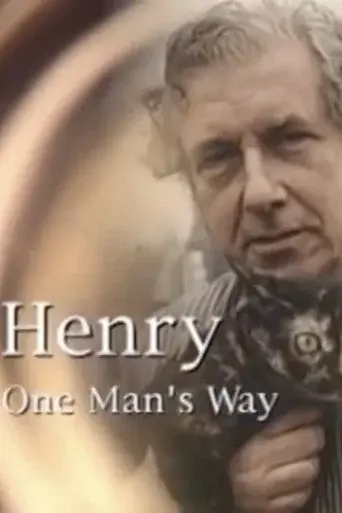
One Man's Way is a 1996 documentary in which Peter Singer documents the efforts and philosophies of animal rights activist Henry Spira, who is often remembered as the most effective animal activist of the 20th century. Henry Spira is most notably known for his tireless efforts to expose the the cruel animal experimentation that goes on behind doors, especially in the cosmetic industry.
Henry: One Man's Way
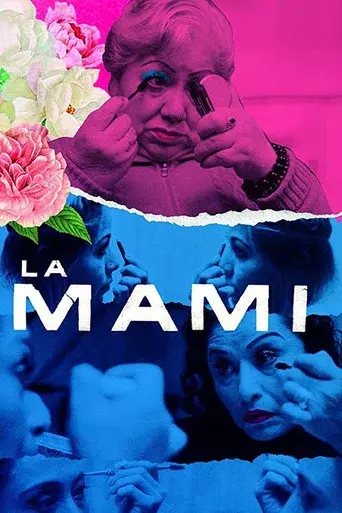
One of the rooms inside the legendary Barba Azul Cabaret has become a shelter for the girls working there: the women's bathroom. Every night La Mami, who's in charge of the bathrooms, offers them the warmth and the advice they need to take on the challenge they face in the dance hall.