
Overview
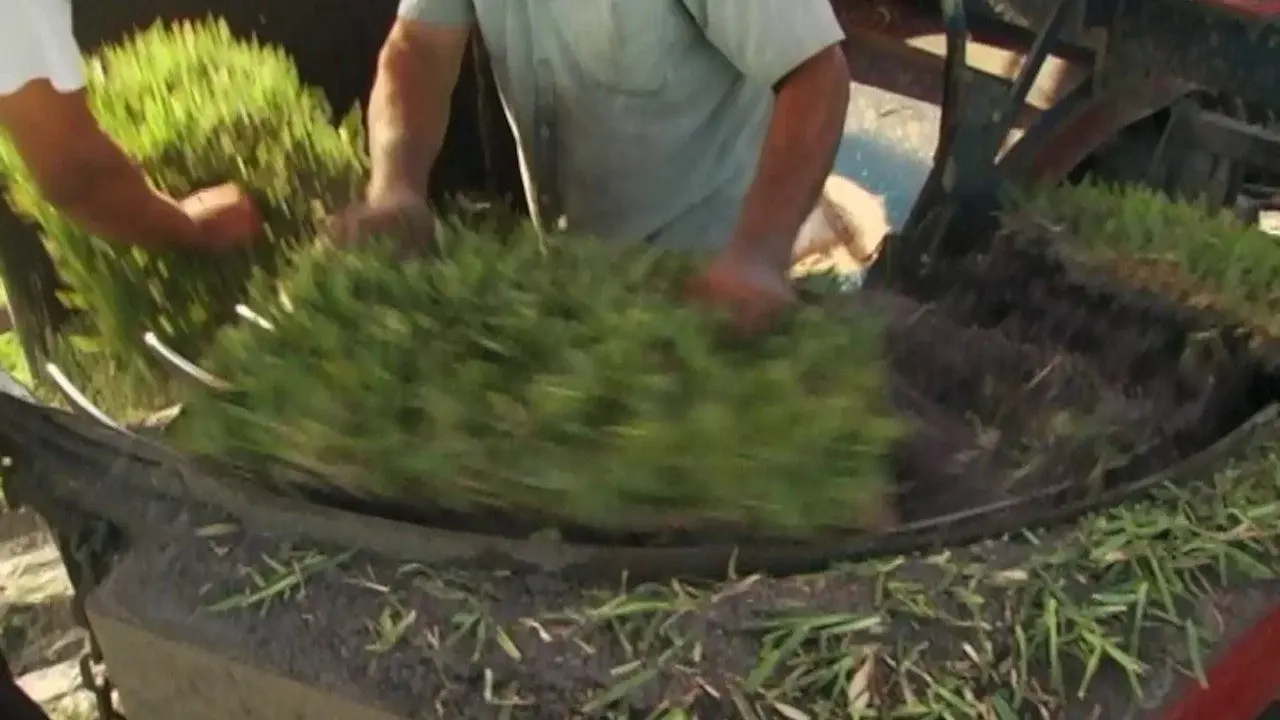
Gimme Green is a humorous look at the American obsession with the residential lawn and the effects it has on our environment, our wallets and our outlook on life. From the limitless subdivisions of Florida to sod farms in the arid southwest, Gimme Green peers behind the curtain of the $40-billion industry that fuels our nation's largest irrigated crop-the lawn.
Top Cast

Gary Bradshaw
Self
Jay Danek
Self
Virginia Scott Jenkins
Self
Randy Kleiner
Self
Erica Santella
Self
Key Film Crew
Production Stats
You May Also Like

In a drought-struck region in India, suffering from climate change and a high suicide rate amongst farmers, a group of resilient women farmers, who recently lost their husbands, is coming together with a local psychologist to learn counselling and help others in grief.
Marching in the Dark
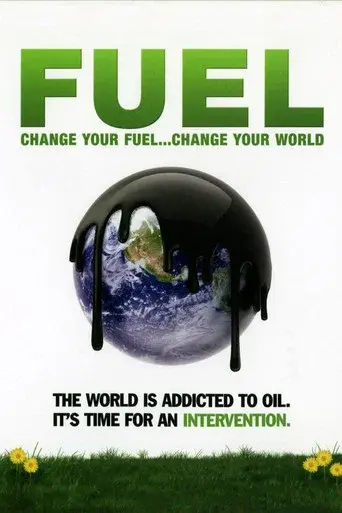
Record high oil prices, global warming, and an insatiable demand for energy: these issues define our generation. The film exposes shocking connections between the auto industry, the oil industry, and the government, while exploring alternative energies such as solar, wind, electricity, and non-food-based biofuels.
Fuel

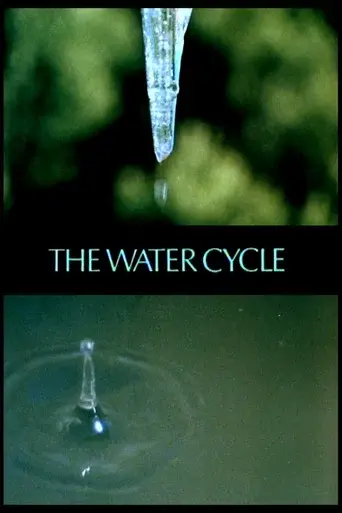
An award-winning short exploring man-made impacts on New Zealand’s water cycle.
The Water Cycle


Behind the scenes at the confectionery company's base in Bournville near Birmingham as staff gear up for the festive season, hitting the factory floor to discover how popular treats Roses are made, with the focus on the creation of the hazelnut in caramel. Historians and Cadbury insiders tell the story of how Cadbury first turned Britain on to festive chocolate, while Santa and his team prepare for the rush at Cadbury World.
Cadbury at Christmas
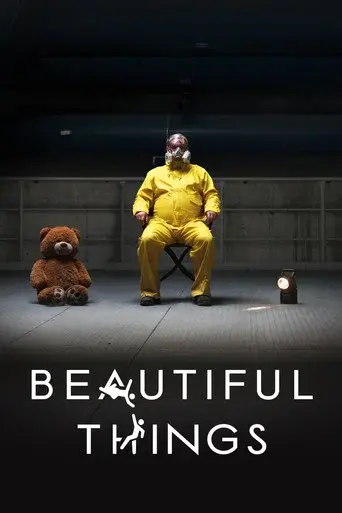
A symphonic journey into our obsessive consumption. The many objects we accumulate begin their production journey in silent secluded industrial site where borderline men work in isolation without any interference. These men trigger, unconsciously, the long chain of creation, transport, commercialization and destruction of the objects feeding our bulimic lifestyle.
Beautiful Things
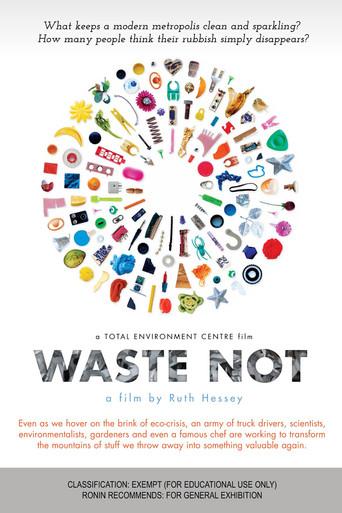
Waste Not is a film about where your garbage goes, who sorts it for you, and what it is worth if it isn't just tossed into landfill. It's easier and cheaper to retrieve gold from old computers for instance, than to dig it up. Organics can be used to create fertiliser and green electricity and yet each Australian sends half a tonne of food waste to landfill each year where it is contaminated with chemicals and e-waste. We recycle only 50% of all our waste. There is an alternative to environmental apocalypse and we don't have to wait for the politicians to make it happen. All we really need to do is be creative and use our imaginations to turn this waste into wealth again. Waste Not talks to scientists, workers at waste depots, environment campaigners, gardeners and even a famous chef about how easy it is to save the planet by simply recycling properly.
Waste Not


A serious docu-comedy about the commercialization of Christmas. What Would Jesus Buy? follows Reverend Billy and the Church of Stop Shopping Gospel Choir as they go on a cross-country mission to save Christmas from the Shopocalypse: the end of mankind from consumerism, over-consumption and the fires of eternal debt!
What Would Jesus Buy?


As the Dead Sea shrinks, engineers prepare a daring solution: connect it with the Red Sea by way of a massive desalination plant. If it works, it could stabilise the lake and ease regional tensions.
Saving the Dead Sea
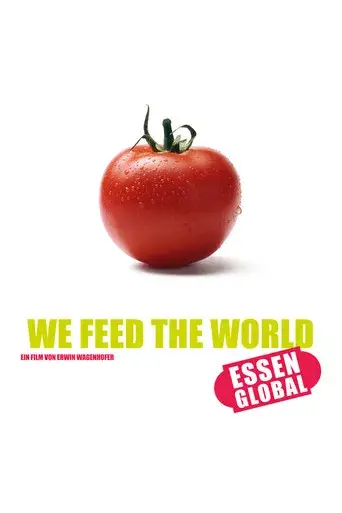
A documentary that exposes the shocking truths behind industrial food production and food wastage, focusing on fishing, livestock and crop farming. A must-see for anyone interested in the true cost of the food on their plate.
We Feed the World


Over the past 25 years, Lauren Greenfield's documentary photography and film projects have explored youth culture, gender, body image, and affluence. Underscoring the ever-increasing gap between the haves and the have-nots, portraits reveal a focus on cultivating image over substance, where subjects unable to attain actual wealth instead settle for its trappings, no matter their ability to pay for it.